5 Key Parameters to Monitor in Water Electrolysis Hydrogen Production
Water electrolysis is an important technology for producing green hydrogen. To maintain safe, stable, and efficient operation, operators need to monitor several critical process parameters throughout the hydrogen production system.
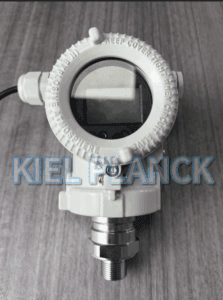
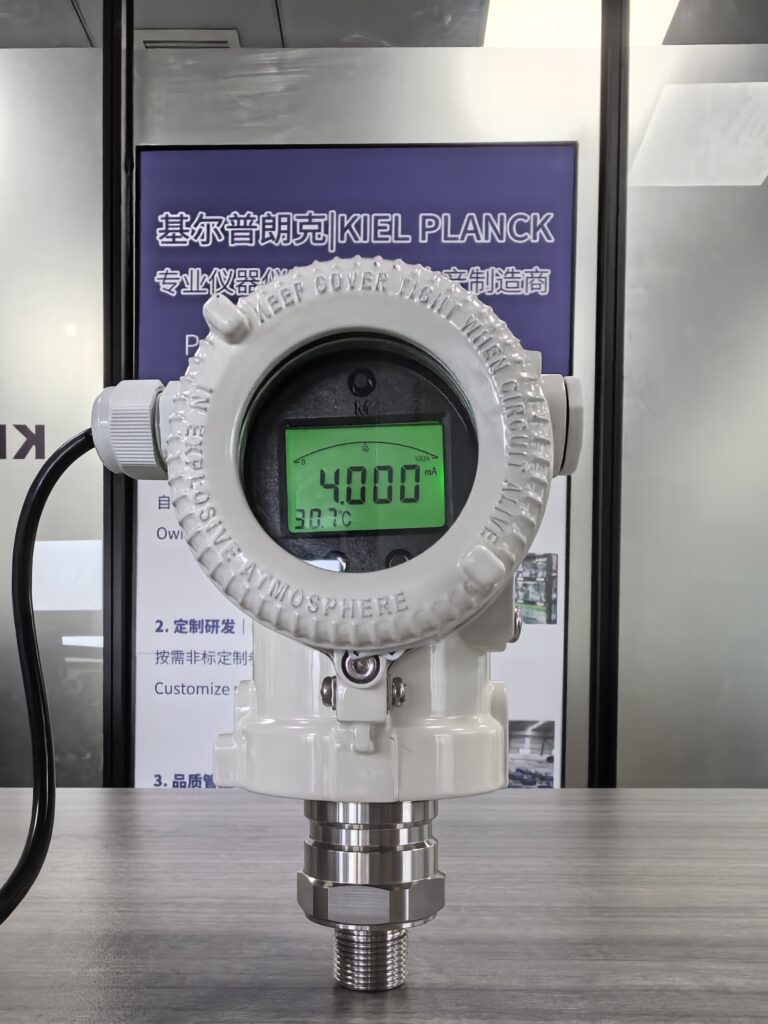
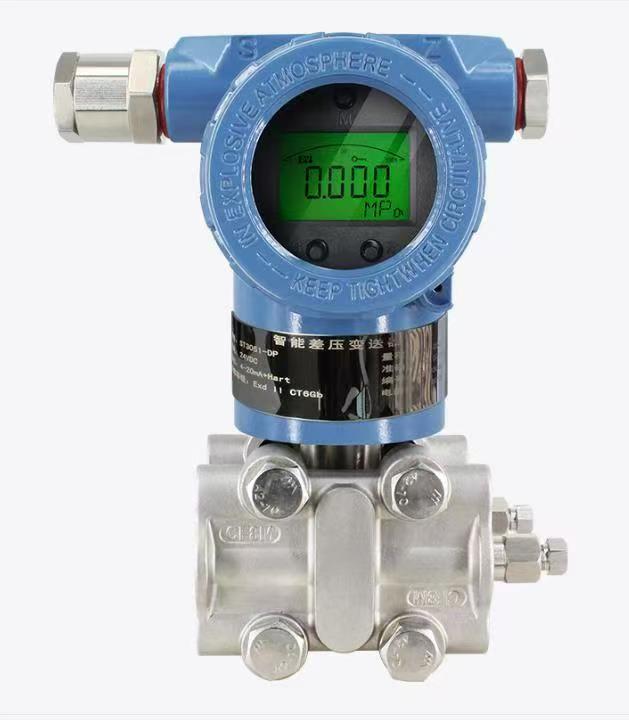
Among these parameters, pressure measurement plays a particularly important role. A reliable single-crystal silicon pressure transmitter can help monitor system pressure, detect abnormal pressure fluctuations, and provide accurate measurement data for process control.
So, which parameters should you check when selecting instruments for a water electrolysis hydrogen production system?
1. Pressure: Maintain Stable System Operation
Pressure is one of the most important parameters in a water electrolysis hydrogen production system.
Pressure monitoring helps operators understand the operating conditions of electrolyzers, gas-liquid separation equipment, hydrogen pipelines, and other process components.
Abnormal pressure fluctuations may indicate changes in operating conditions, pipeline restrictions, leakage, or other potential process issues.
When selecting a pressure transmitter, consider the following factors:
Measurement range: Choose a range that matches the actual operating pressure.
Accuracy: Select an accuracy level suitable for your process control requirements.
Media compatibility: Ensure that wetted materials are compatible with the process medium.
Operating temperature: Confirm that the transmitter can withstand the expected process and ambient temperatures.
Output signal: Common options include 4–20 mA and digital communication interfaces, depending on the model.
A single-crystal silicon pressure transmitter can be a suitable option for applications requiring reliable pressure measurement and good measurement stability.
2. Temperature: Keep the Electrolysis Process Under Control
Temperature directly affects the performance and operating conditions of a water electrolysis system.
Different electrolyzer technologies have different operating temperature requirements. Monitoring temperature helps operators maintain suitable process conditions and identify abnormal temperature changes.
Temperature transmitters or temperature sensors can be installed at appropriate measurement points, such as electrolyte circulation lines, cooling systems, and other process locations.
When selecting temperature instruments, consider the measurement range, response time, installation method, and compatibility with the process environment.
3. Hydrogen and Oxygen Flow: Monitor Gas Production
Hydrogen and oxygen flow rates provide important information about gas production and system performance.
Flow measurement can help operators evaluate production rates, identify changes in process conditions, and support equipment performance monitoring.
Suitable flowmeters should be selected according to the gas composition, pressure, temperature, flow range, and installation conditions.
For hydrogen service, the instrument and its installation must also be suitable for the applicable hazardous-area classification and operating environment.
4. Liquid Level: Monitor Gas-Liquid Separation Equipment
Gas-liquid separators are important components in many water electrolysis systems.
Liquid-level monitoring helps maintain appropriate liquid levels and supports the stable operation of separation equipment.
If the liquid level becomes too high or too low, it may affect separation performance or contribute to process disturbances.
Depending on the equipment design and process conditions, suitable instruments may include differential pressure level transmitters, radar level instruments, or other industrial level measurement devices.
Instrument selection should consider the process medium, pressure, temperature, installation arrangement, and required measurement performance.
5. Water Quality and Electrolyte Conditions: Protect System Performance
Water quality and electrolyte conditions are important for the long-term performance of water electrolysis equipment.
The specific parameters requiring monitoring depend on the electrolyzer technology.
For example, purified water quality is particularly important in proton exchange membrane (PEM) electrolysis, while alkaline electrolysis systems have different electrolyte management requirements.
Depending on the process, monitoring may include conductivity, electrolyte concentration, temperature, and other relevant chemical properties.
Selecting appropriate analytical instruments and maintaining suitable operating conditions can help reduce the risk of contamination, scaling, corrosion, or performance degradation.
Important: The five parameter categories above are a practical monitoring checklist, not a universal list of mandatory instruments. Actual monitoring requirements depend on the electrolyzer technology, system design, operating conditions, and applicable safety standards.
How to Select a Single-Crystal Silicon Pressure Transmitter for Hydrogen Production
Pressure transmitters used in hydrogen production systems must be selected according to the specific measurement point and process requirements.
Before choosing a model, consider these key factors:
1. Measurement Range
Determine the normal operating pressure, maximum expected pressure, and any pressure fluctuations. Select a suitable range based on the actual process conditions.
2. Measurement Accuracy and Stability
Choose a transmitter that meets the accuracy and long-term stability requirements of the application.
3. Wetted Materials
Check the compatibility of all process-contact materials with hydrogen, oxygen, water, alkaline electrolyte, or other media present at the installation point.
Material selection is particularly important where hydrogen compatibility, oxygen service, or corrosive process media are involved.
4. Process Connection
Select a process connection that matches the equipment interface and installation requirements.
5. Output Signal and Integration
Confirm compatibility with the plant’s PLC, DCS, or other control systems. Common industrial output options include 4–20 mA, with HART or other communication protocols available on suitable models.
6. Safety and Environmental Requirements
Check the required ingress protection, ambient temperature range, electrical requirements, and hazardous-area certifications where applicable.
For installations involving hydrogen or oxygen, the instrument must be suitable for the specific service conditions. A pressure transmitter should not be selected based on measurement performance alone.
Why Choose a Single-Crystal Silicon Pressure Transmitter?
Single-crystal silicon pressure transmitters are used in industrial applications where measurement accuracy, stability, and reliable process monitoring are important.
Depending on the design and specifications, potential benefits include:
High measurement accuracy
Good long-term stability
Reliable pressure monitoring
Multiple pressure ranges
Flexible process connection options
Integration with industrial control systems
Actual performance depends on the transmitter model, sensor design, calibration, installation, and operating conditions. Always review the product datasheet before making a selection.
Conclusion
Stable hydrogen production depends on effective monitoring of pressure, temperature, gas flow, liquid level, and water quality or electrolyte conditions.
Among these measurements, pressure monitoring is essential for understanding process conditions and supporting reliable system operation.
A properly selected single-crystal silicon pressure transmitter can provide valuable pressure data for electrolyzers, gas-liquid separation equipment, and hydrogen process pipelines.
Looking for a pressure transmitter for your hydrogen production equipment?
Contact our team to discuss your measurement range, process connection, output signal, and application requirements. We can help you identify a suitable pressure transmitter for your industrial measurement needs.
Scan the QR code to receive more detailed information.