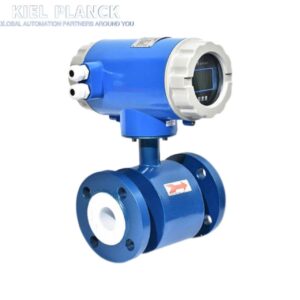
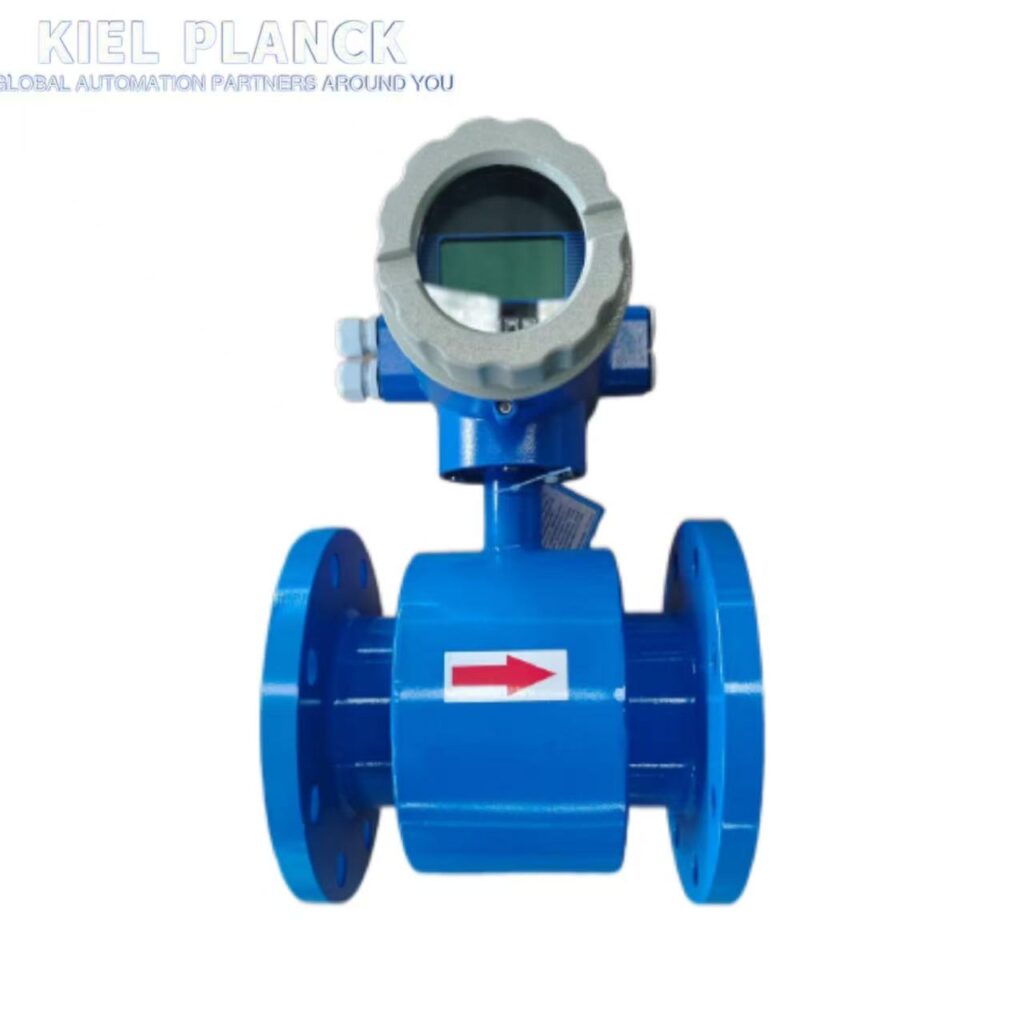
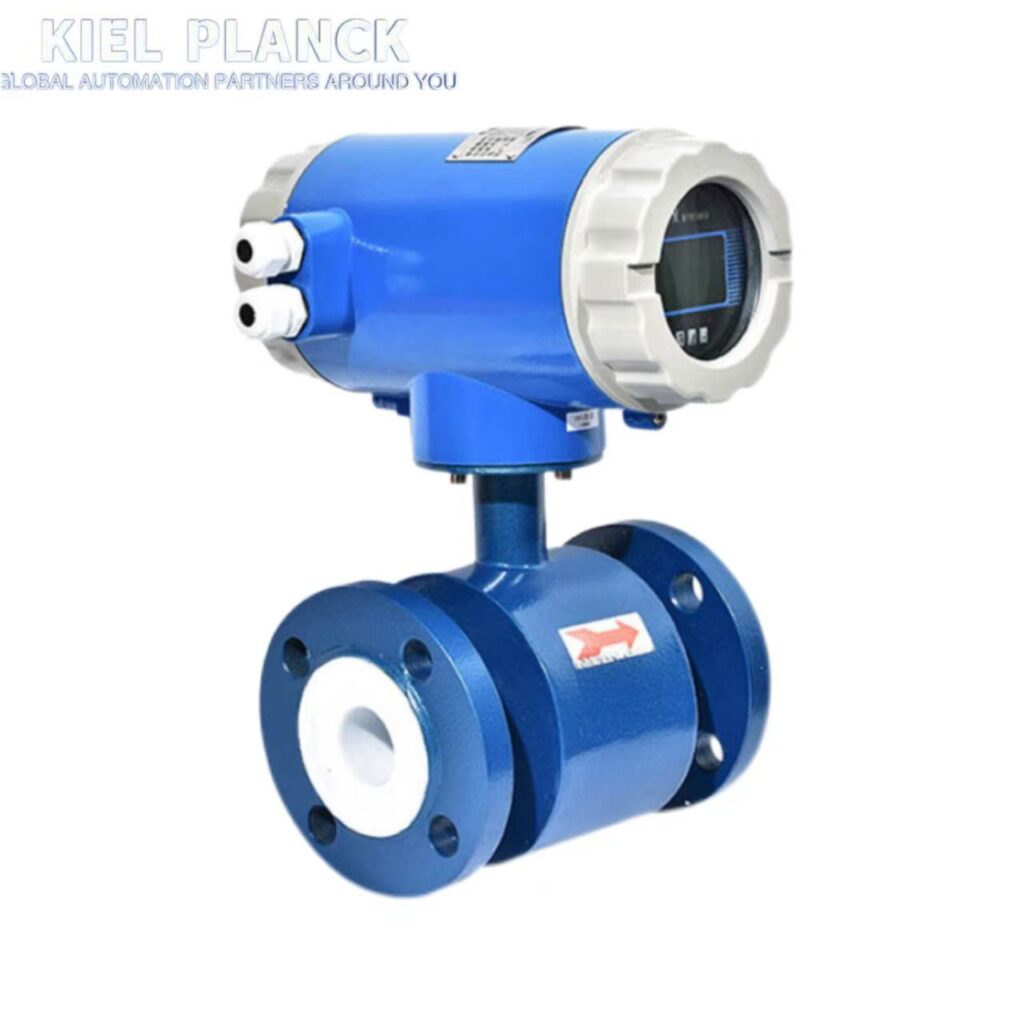
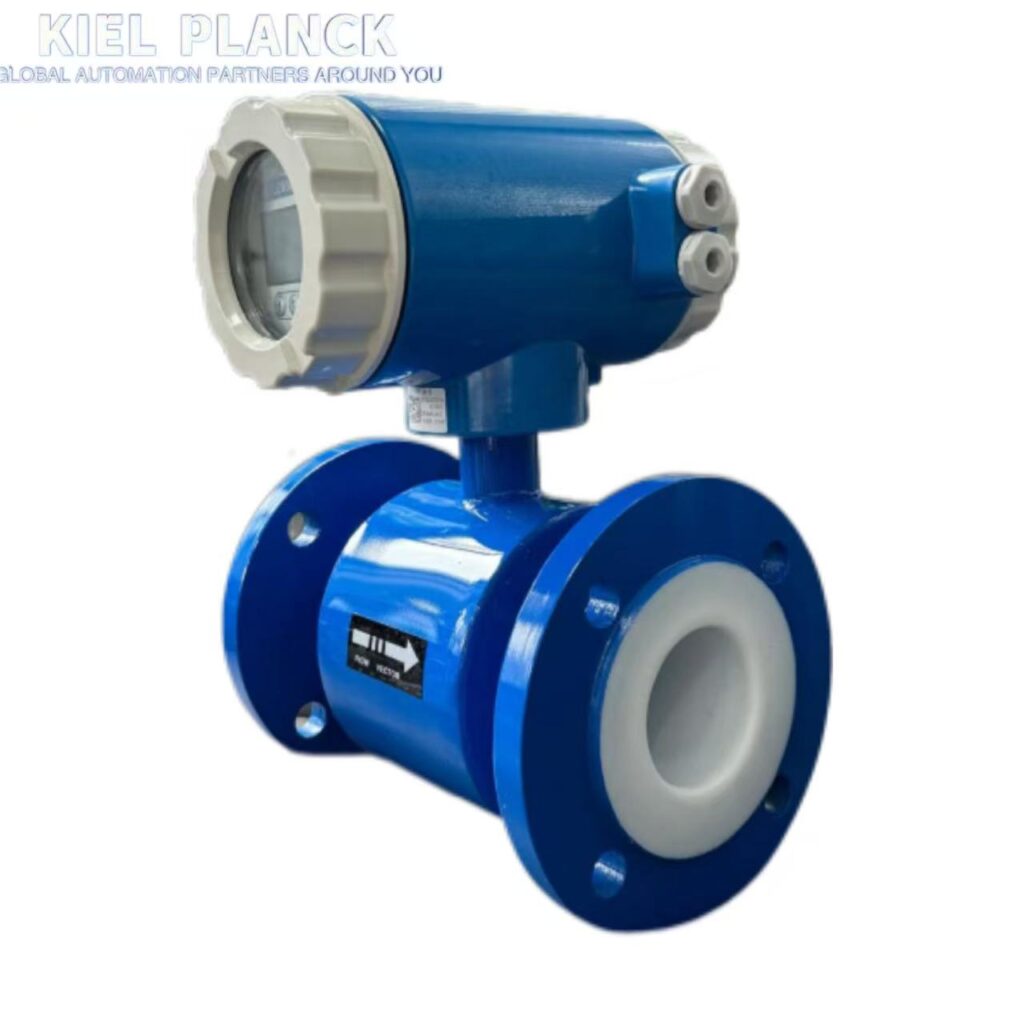
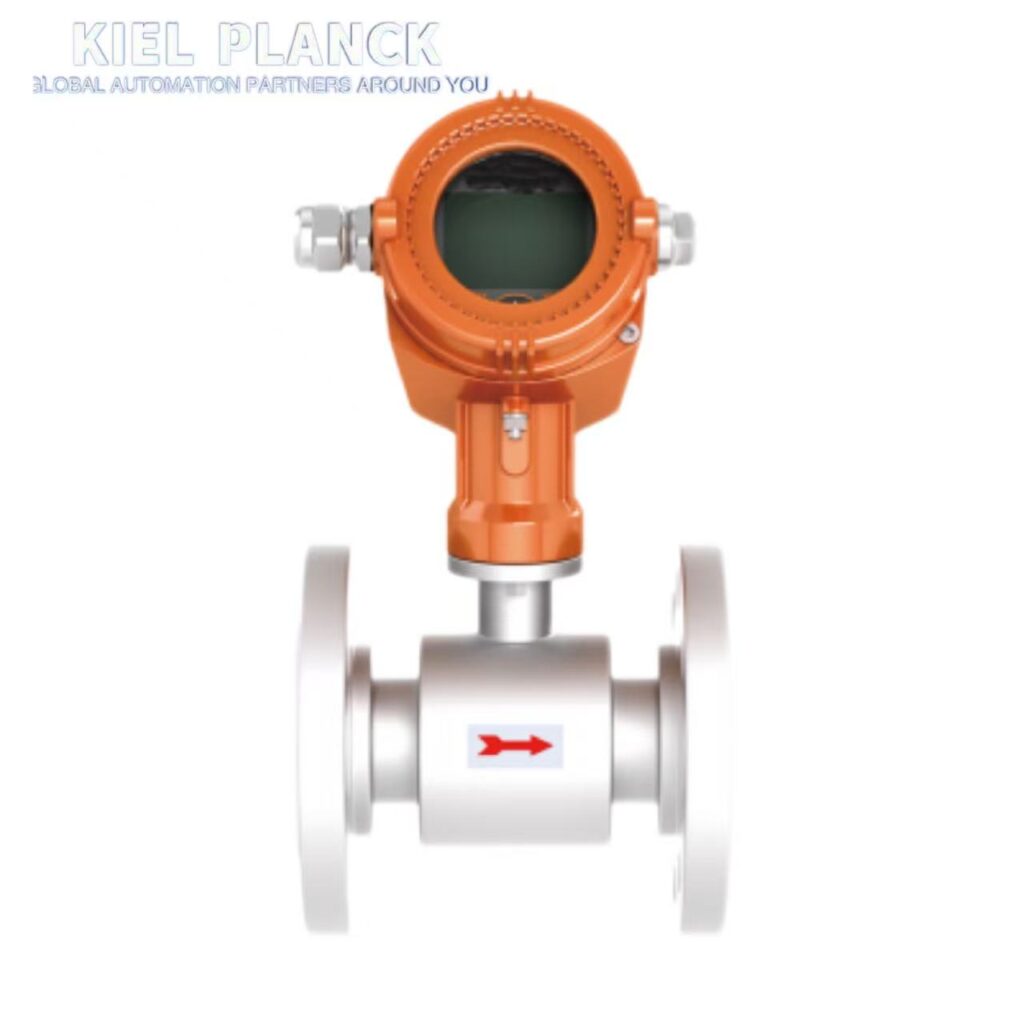


Electromagnetic Flowmeter Fault Analysis
Introduction: Simplified Troubleshooting of Common Electromagnetic Flowmeter Faults: Zero flow is often caused by an incomplete pipe filling, gas in the medium, abnormal operating conditions/parameters, electrode contamination, or wiring/grounding faults. Parameter correction, ensuring full pipe operation, and inspection of the wiring and electrodes are necessary. Fluctuations in flow rate are often caused by poor grounding, electromagnetic interference, impurities in the medium, or pipe vibration.
Electromagnetic flowmeters operate based on Faraday’s law of electromagnetic induction and are widely used in industries such as chemical, wastewater, and water conservancy. Measurement stability depends on the conductivity of the medium, electrode signals, circuitry, and operating environment. Equipment failures are categorized into parameter installation failures during the commissioning phase and failures due to aging operating conditions. Common problems include no flow display, numerical fluctuations, measurement inaccuracies, and error-based shutdowns. The following is a simplified analysis of the core causes, troubleshooting steps, and solutions for various types of failures.
Fault 1: There is medium flowing in the pipeline, but the instrument does not display flow rate/the reading is zero.
II. Fault 2: Significant fluctuations in traffic volume and unstable data.
Long-term operation of the equipment often results in irregular fluctuations in flow rates. The core causes are poor grounding, erratic operating conditions, and electromagnetic interference, leading to high-frequency misjudgments in the field.
1. Core Fault Causes
Grounding Fault: Sharing grounding with the inverter and motor introduces power frequency interference; a loose grounding wire or excessive grounding resistance causes abnormal signal reference.
Aerial Operating Conditions: The medium contains air bubbles or solid particles, causing intermittent electrode signals; pump and valve disturbances, pipeline turbulence, and incomplete pipe operation cause unstable flow rates.
External and Equipment Issues: Nearby interference from strong electromagnetic equipment; uneven electrode contamination and severe pipeline vibration cause signal fluctuations.
2. Troubleshooting and Resolution Steps
1. Improve the grounding system, setting up independent grounding to ensure grounding resistance <10Ω, and prohibit sharing grounding with high-power equipment; 2. Optimize operating conditions, check for leaks, stabilize pump and valve operation, and eliminate gas-liquid mixing and turbulence issues; 3. Clean electrode deposits, adjust instrument installation positions, and avoid sources of pipeline vibration and electromagnetic interference.
If you want to know more, please contact me.