
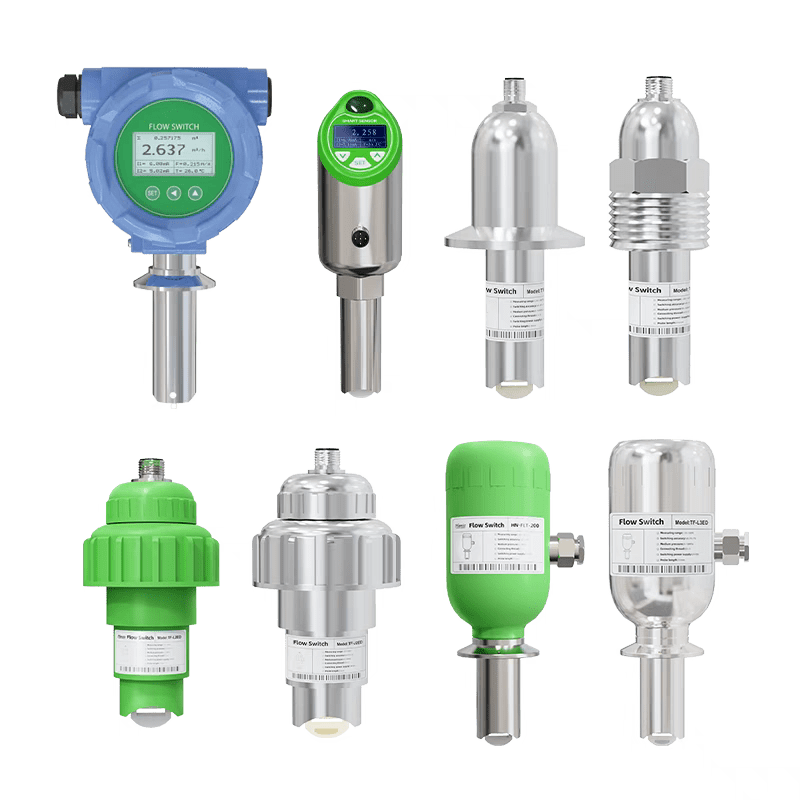
Beyond Petrochemicals: Applications of Submersible Level Transmitters in Drainage and Environmental Protection Systems
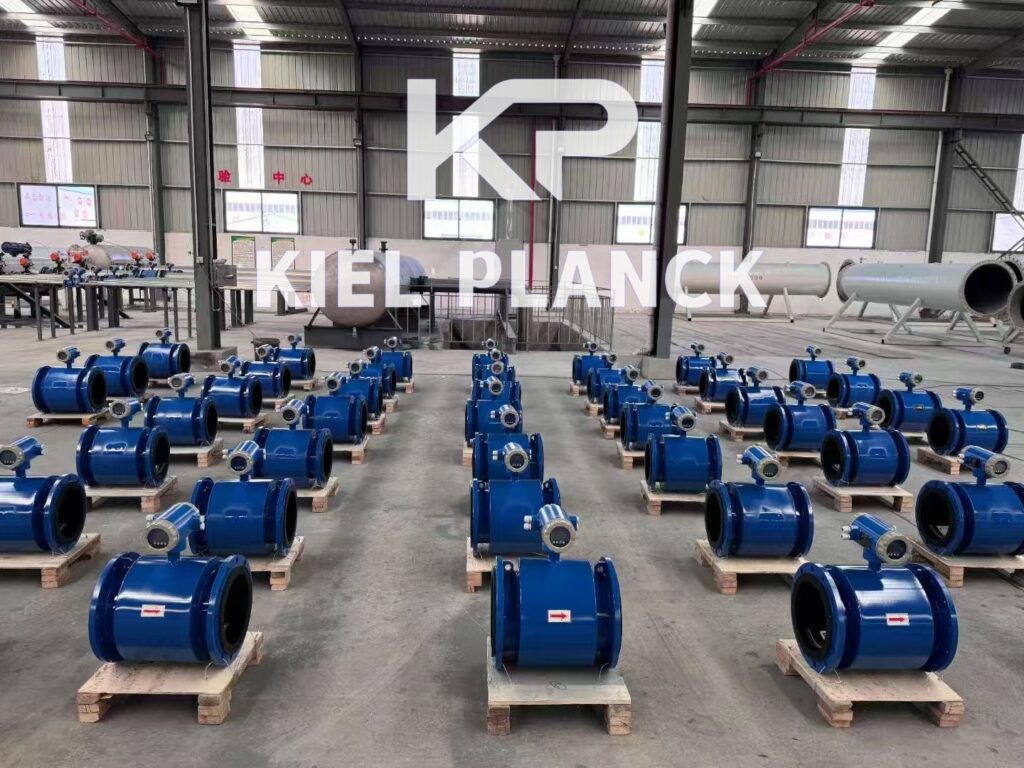
Submersible level transmitters are widely used in industrial liquid-level measurement. Although they are commonly associated with petrochemical and industrial applications, they also play an important role in drainage systems, wastewater treatment, environmental monitoring, and municipal water infrastructure. This article explains how submersible level transmitters work and what buyers should consider when selecting them for these applications.
Differential Pressure Transmitter vs. Pressure Transmitter: What’s the Difference and How to Choose?
Pressure transmitters and differential pressure transmitters are both important instruments in industrial process measurement, but they measure different physical parameters. Understanding their measurement principles, installation requirements, and applications helps engineers select the correct instrument for pipelines, tanks, filters, and process equipment.
How to Fix Pressure Transmitter Zero Drift: Common Causes and Maintenance Tips
Zero drift is a common issue encountered in industrial pressure measurement. It may be caused by temperature changes, installation stress, pressure overload, electrical interference, sensor aging, or incorrect calibration. This article explains how to identify the possible causes of pressure transmitter zero drift and provides practical inspection and maintenance recommendations.
Single-Crystal Silicon vs. Diffused Silicon vs. Ceramic Capacitive Sensors: Which Pressure Transmitter Technology Is Right for You?
Single-crystal silicon, diffused silicon, and ceramic capacitive sensing technologies are used in different types of industrial pressure transmitters. Each technology has its own sensing principle, performance characteristics, and application considerations. This article compares the three technologies and explains how to select the right pressure transmitter according to measurement range, medium, temperature, and operating conditions.
Ex d vs. Ex ia Explosion-Proof Pressure Transmitters: Key Differences and Selection Guide
Ex d and Ex ia are two different explosion protection concepts used in industrial pressure transmitters. Although both are designed for hazardous-area applications, they use different protection principles and have different installation requirements. This article explains their differences and helps engineers select suitable explosion-protected instruments for oil and gas, chemical processing, and other hazardous environments
How to Choose a Sanitary Pressure Transmitter for the Food and Pharmaceutical Industries
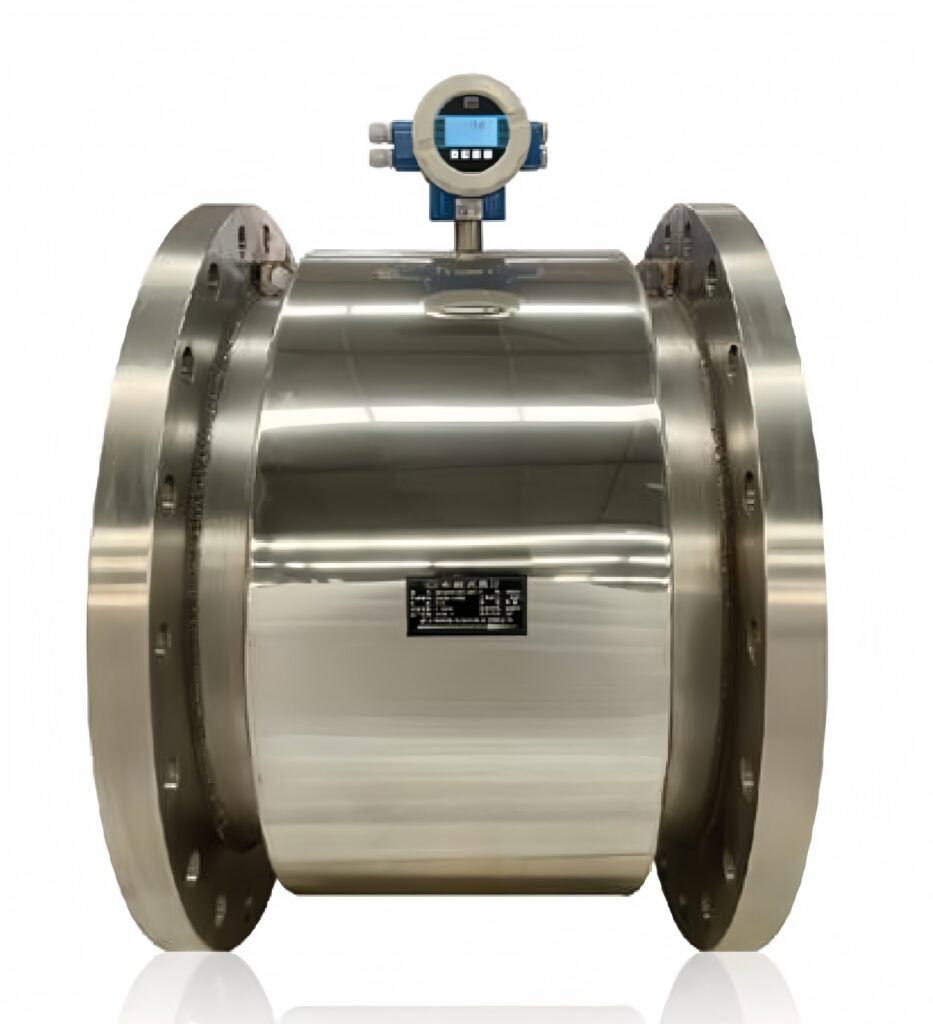
Sanitary pressure transmitters are widely used in food processing, beverage production, pharmaceutical manufacturing, and other hygienic process industries. Selecting the right instrument requires careful consideration of process connections, wetted materials, cleaning methods, surface finish, and hygienic design. This article explains the main selection criteria and common purchasing mistakes.
0.075% Accuracy and 100:1 Turndown Ratio: How to Evaluate a Single-Crystal Silicon Pressure Transmitter
Accuracy and turndown ratio are two important specifications when selecting a single-crystal silicon pressure transmitter. A product advertised with 0.075% accuracy and a 100:1 turndown ratio may be suitable for a wide range of applications, but buyers must understand the definitions, test conditions, and usable measurement range behind these figures. This article explains how to evaluate these specifications and verify product performance.
Cost-Effective Single-Crystal Silicon Pressure Transmitter Manufacturer: Why Consider Kielplank?
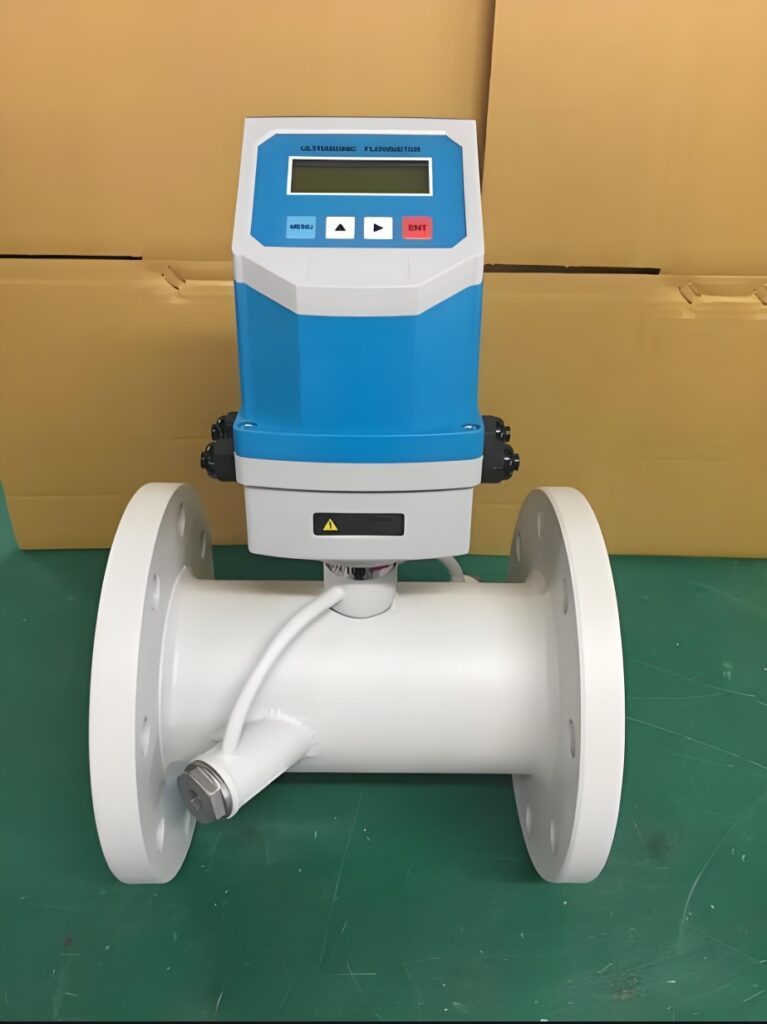
Choosing a cost-effective single-crystal silicon pressure transmitter manufacturer requires a balance between technical performance, production quality, delivery capability, and customer support. Kielplank Instrumentation provides industrial pressure and process measurement products for equipment manufacturers and industrial customers. This article explains the factors that buyers should consider when evaluating a pressure transmitter supplier.
Corrosion-Resistant Pressure Transmitters for Chemical Applications: Introducing Kielplank Instrumentation
Chemical processing environments often expose pressure transmitters to corrosive liquids, aggressive gases, high temperatures, and demanding operating conditions. Selecting a suitable transmitter requires careful consideration of diaphragm materials, sealing structures, process connections, and measurement requirements. This article introduces important selection factors and Kielplank’s industrial pressure measurement solutions.

