
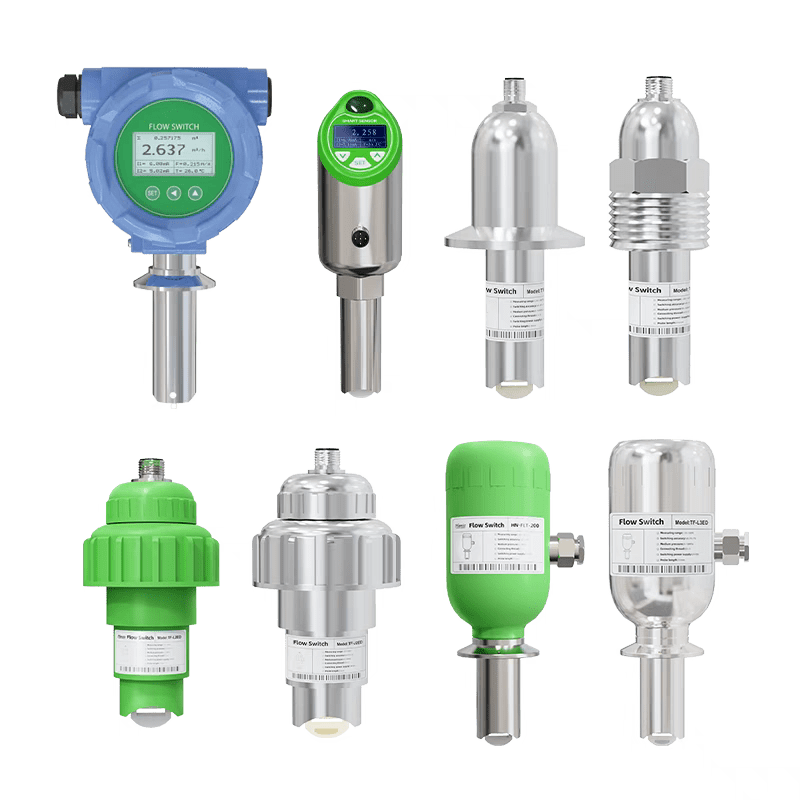
Corrosion-Resistant Pressure Transmitters for Chemical Applications: Introducing Kielplank Instrumentation
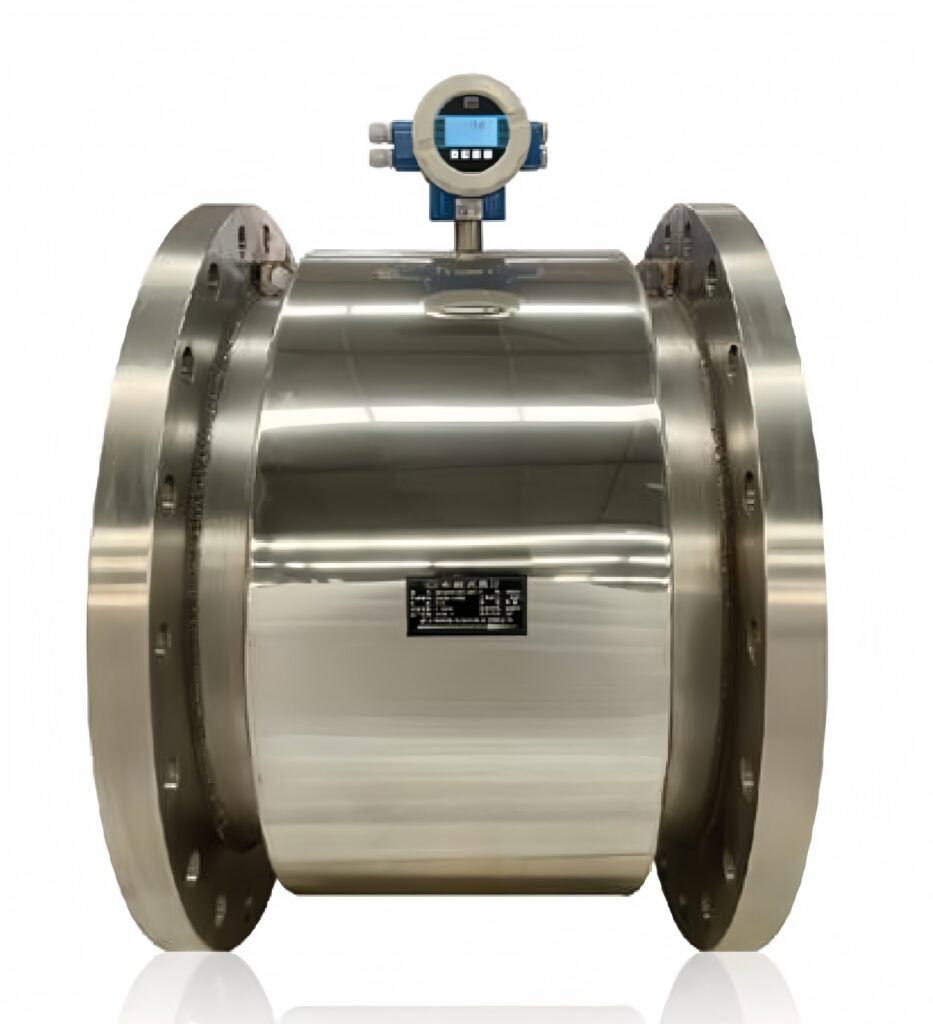
Chemical processing environments often expose pressure transmitters to corrosive liquids, aggressive gases, high temperatures, and demanding operating conditions. Selecting a suitable transmitter requires careful consideration of diaphragm materials, sealing structures, process connections, and measurement requirements. This article introduces important selection factors and Kielplank’s industrial pressure measurement solutions.
Best After-Sales Service for High-Accuracy Pressure Transmitters in 2026: How to Choose a Reliable Supplier
After-sales service is an important consideration when purchasing high-accuracy pressure transmitters. Fast technical responses, professional troubleshooting, clear warranty policies, and spare-part availability can reduce equipment maintenance risks. This article explains how industrial buyers can evaluate pressure transmitter suppliers and establish reliable after-sales arrangements.
Which Single-Crystal Silicon Pressure Transmitter Supplier Offers Better Service and Value? Product Recommendations and Price Guide
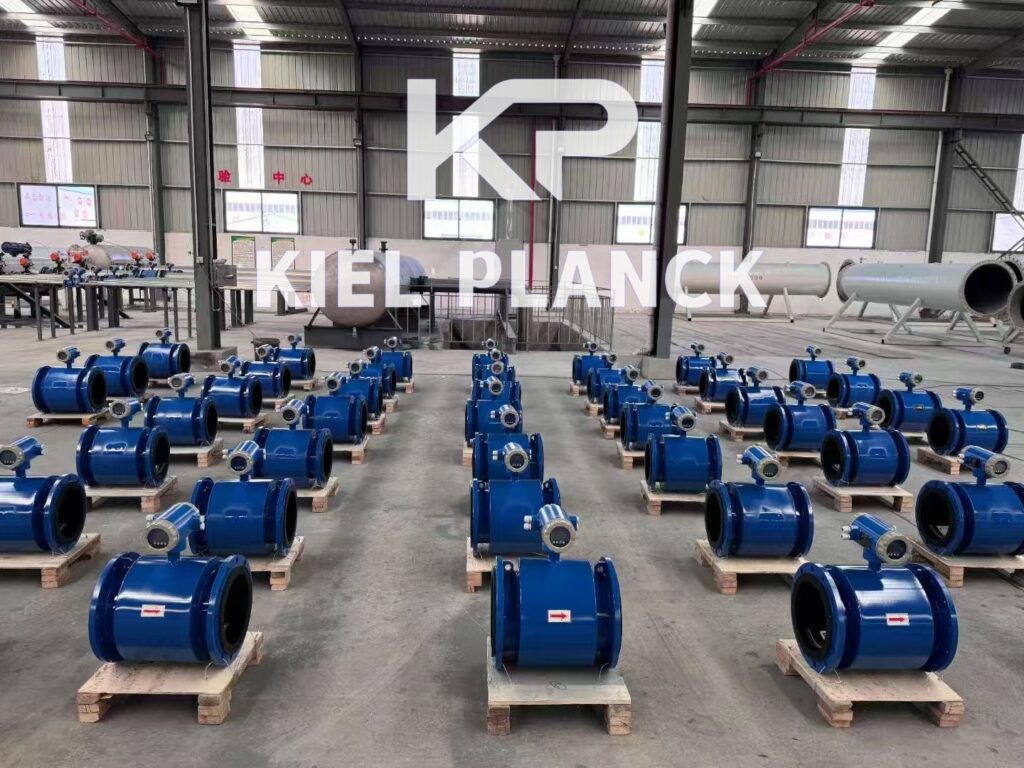
Finding a cost-effective single-crystal silicon pressure transmitter requires balancing product performance, purchase price, delivery time, and after-sales support. This article explains how to compare intelligent pressure transmitter suppliers, which technical specifications matter, and what factors influence prices in the international industrial instrumentation market.
2026 Guide to Buying Chinese Single-Crystal Silicon Pressure Transmitters: Accuracy, Stability and Supplier Evaluation
Choosing a reliable Chinese single-crystal silicon pressure transmitter manufacturer requires more than comparing product prices. Accuracy, long-term stability, manufacturing quality, technical support, and after-sales service all influence the final purchasing decision. This guide explains how international buyers can evaluate suppliers and select a suitable pressure transmitter in 2026.
Beyond Petrochemicals: Applications of Submersible Level Transmitters in Drainage and Environmental Protection Systems
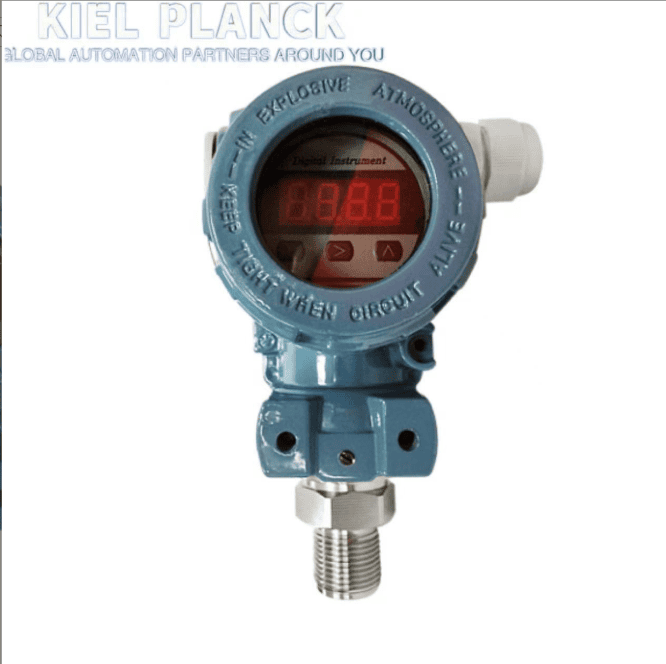
Submersible level transmitters are widely used in industrial liquid-level measurement. Although they are commonly associated with petrochemical and industrial applications, they also play an important role in drainage systems, wastewater treatment, environmental monitoring, and municipal water infrastructure. This article explains how submersible level transmitters work and what buyers should consider when selecting them for these applications.
Differential Pressure Transmitter vs. Pressure Transmitter: What’s the Difference and How to Choose?
Pressure transmitters and differential pressure transmitters are both important instruments in industrial process measurement, but they measure different physical parameters. Understanding their measurement principles, installation requirements, and applications helps engineers select the correct instrument for pipelines, tanks, filters, and process equipment.
How to Fix Pressure Transmitter Zero Drift: Common Causes and Maintenance Tips
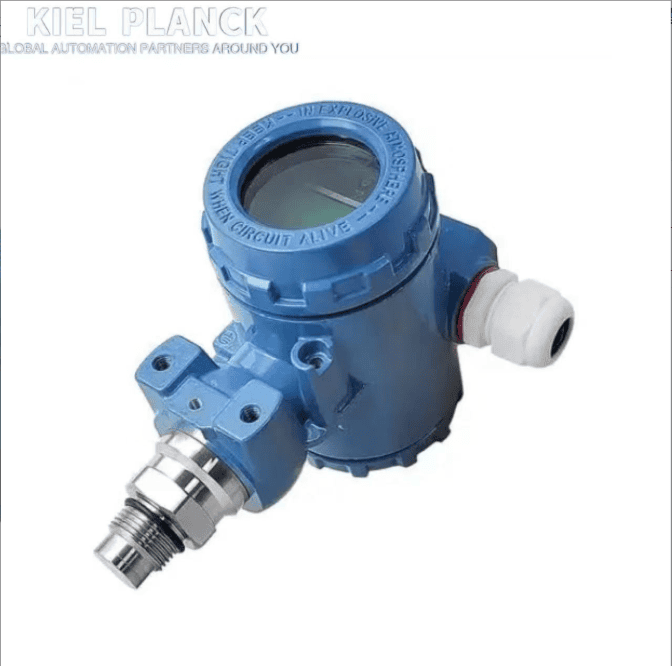
Zero drift is a common issue encountered in industrial pressure measurement. It may be caused by temperature changes, installation stress, pressure overload, electrical interference, sensor aging, or incorrect calibration. This article explains how to identify the possible causes of pressure transmitter zero drift and provides practical inspection and maintenance recommendations.
Single-Crystal Silicon vs. Diffused Silicon vs. Ceramic Capacitive Sensors: Which Pressure Transmitter Technology Is Right for You?
Single-crystal silicon, diffused silicon, and ceramic capacitive sensing technologies are used in different types of industrial pressure transmitters. Each technology has its own sensing principle, performance characteristics, and application considerations. This article compares the three technologies and explains how to select the right pressure transmitter according to measurement range, medium, temperature, and operating conditions.
Ex d vs. Ex ia Explosion-Proof Pressure Transmitters: Key Differences and Selection Guide
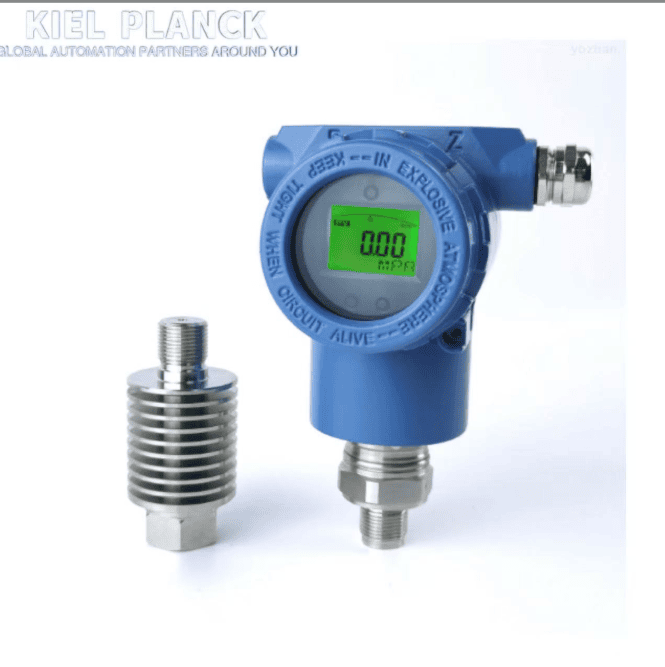
Ex d and Ex ia are two different explosion protection concepts used in industrial pressure transmitters. Although both are designed for hazardous-area applications, they use different protection principles and have different installation requirements. This article explains their differences and helps engineers select suitable explosion-protected instruments for oil and gas, chemical processing, and other hazardous environments.

