Pressure measurement is essential in modern industrial systems.
However, not every application requires the same type of transmitter.
Some applications need to monitor the pressure inside a pipeline, while others need to measure the pressure difference between two points.
This is the main distinction between a pressure transmitter and a differential pressure transmitter.
Choosing the wrong type may lead to incorrect measurement results or unnecessary installation modifications.
1. What Is a Pressure Transmitter?
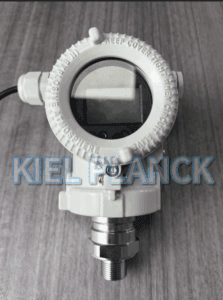
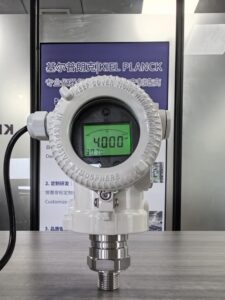
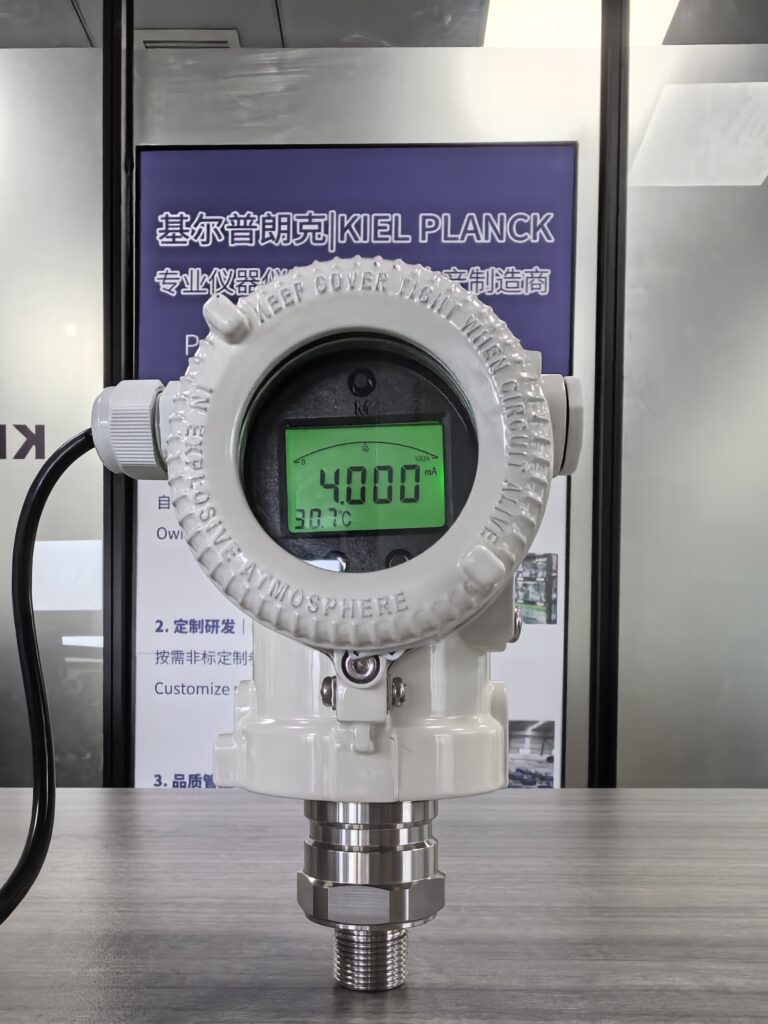
A pressure transmitter measures the pressure of a process medium relative to a defined reference.
Common types include:
Gauge pressure transmitter: Measures pressure relative to atmospheric pressure.
Absolute pressure transmitter: Measures pressure relative to a vacuum reference.
Sealed gauge pressure transmitter: Measures pressure against a sealed reference.
Typical applications include:
Pipeline pressure monitoring.
Pump discharge pressure.
Compressor pressure monitoring.
Hydraulic systems.
Pressure vessels.
Industrial equipment.
The transmitter converts the measured pressure into an electrical signal, such as 4–20 mA.
2. What Is a Differential Pressure Transmitter?
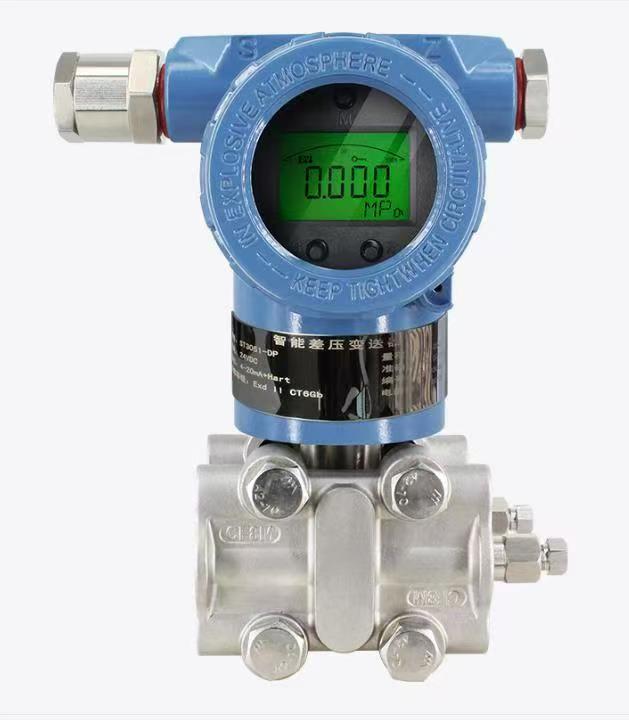
A differential pressure transmitter measures the pressure difference between two pressure connections.
It has two pressure ports, commonly identified as high-pressure and low-pressure connections.
The transmitter measures the difference between these two pressures.
Typical applications include:
Filter differential pressure monitoring.
Flow measurement using an orifice plate.
Tank level measurement.
Pipeline pressure loss monitoring.
HVAC system monitoring.
Differential pressure transmitters are particularly useful when the relationship between two pressure points is more important than either individual pressure value.
3. Main Differences
| Comparison | Pressure Transmitter | Differential Pressure Transmitter |
|---|---|---|
| Measurement | Pressure relative to reference | Difference between two pressures |
| Pressure ports | Usually one process port | Two process ports |
| Measurement output | Gauge, absolute, or sealed gauge pressure | Differential pressure |
| Common application | Pipeline and vessel pressure | Filter, flow, and level measurement |
| Installation | Single pressure connection | High- and low-pressure connections |
| Selection focus | Pressure type and range | Differential range and static pressure |
4. How to Choose the Correct Instrument
Application One: Pipeline Pressure
If the objective is to monitor the pressure inside a pipeline, a pressure transmitter is generally appropriate.
Confirm the normal pressure, maximum pressure, medium, and process connection.
Application Two: Filter Monitoring
If the objective is to monitor filter blockage, a differential pressure transmitter is commonly used.
The pressure difference across the filter increases as resistance increases.
Application Three: Tank Level Measurement
A differential pressure transmitter can be used for hydrostatic level measurement in suitable closed or open vessels.
The installation arrangement depends on vessel pressure, liquid density, and measurement configuration.
Application Four: Flow Measurement
An orifice plate or other primary element can generate a differential pressure related to flow.
A differential pressure transmitter measures this difference, and the flow rate is calculated using the appropriate engineering relationship.
5. Important Selection Parameters
Before purchasing, check:
Pressure or differential pressure range.
Maximum allowable pressure.
Static pressure for differential models.
Process temperature.
Medium compatibility.
Output signal.
Process connection.
Installation arrangement.
Required accuracy.
Environmental protection.
A differential pressure transmitter may need to withstand high static line pressure even when the actual differential pressure is relatively small.
This distinction is especially important in industrial process applications.
6. Common Selection Mistakes
Choosing a gauge transmitter for a differential measurement.
Ignoring static pressure.
Selecting an unsuitable measurement range.
Confusing absolute pressure with gauge pressure.
Ignoring installation arrangements.
Overlooking material compatibility.
Conclusion
Pressure transmitters and differential pressure transmitters serve different measurement purposes.
A pressure transmitter is suitable for measuring pressure relative to a defined reference, while a differential pressure transmitter measures the difference between two pressure points.
The correct choice depends on the measurement objective, process conditions, installation arrangement, and required performance.
If you are unsure which instrument your equipment requires, provide the application details to our engineering team for technical selection support.
Scan the QR code to receive more detailed information.