

Hydrogen production and related equipment continue to attract attention from industrial manufacturers, engineering companies, and energy investors. As electrolyzer projects develop, equipment manufacturers must consider not only the stack itself but also the supporting systems required for stable operation.
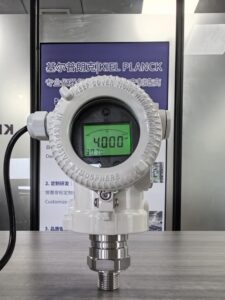
Pressure transmitters, flowmeters, level switches, differential pressure instruments, and temperature sensors are important parts of these auxiliary systems. They support monitoring across water treatment, electrolysis, gas-liquid separation, hydrogen purification, compression, storage, and cooling.
This article examines the main instrumentation areas that electrolyzer manufacturers and hydrogen equipment integrators should review when developing equipment packages. Rather than assuming that every project has the same requirements, it focuses on practical measurement needs and procurement opportunities.
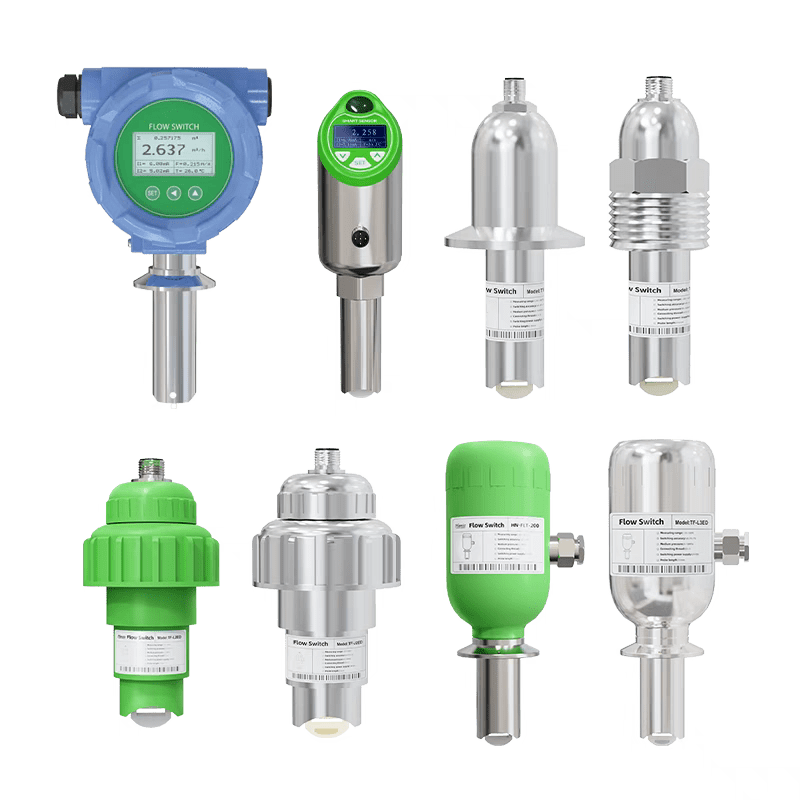
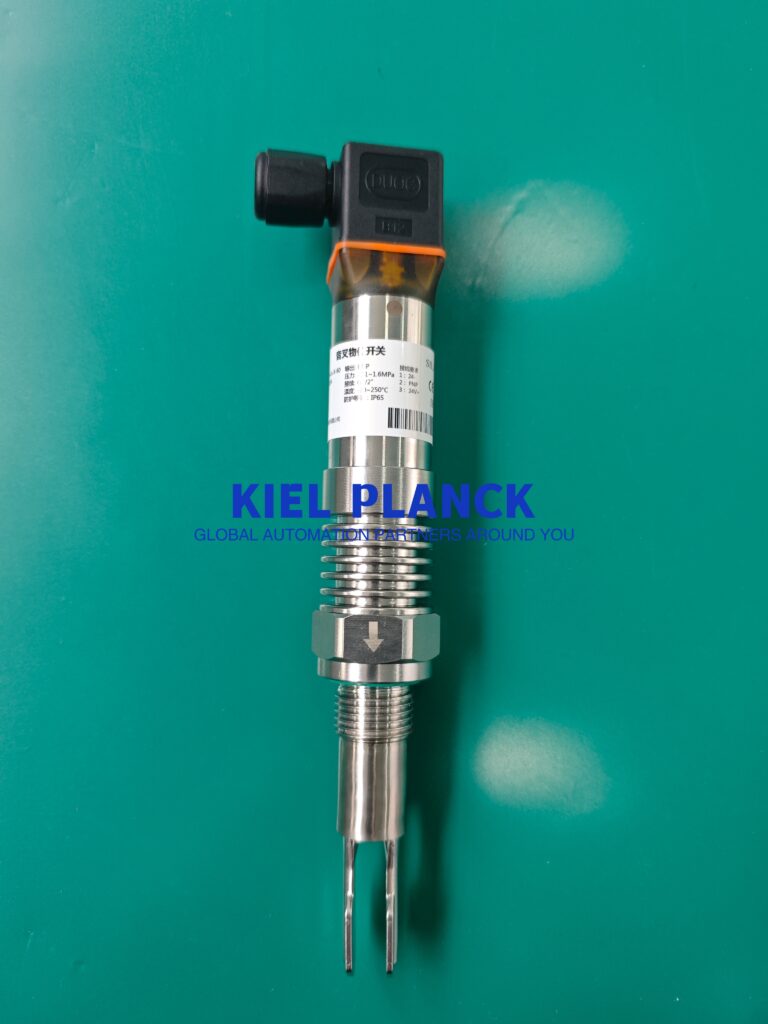
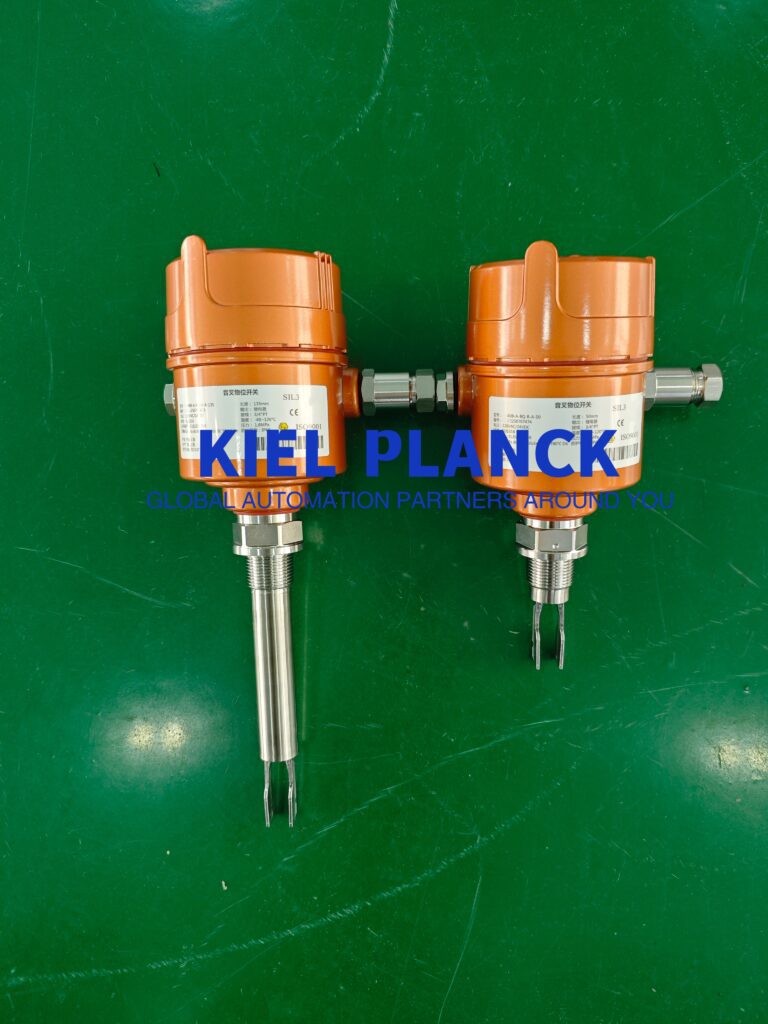
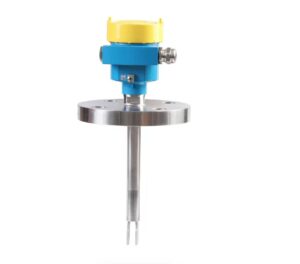
Liquid-level monitoring is an important part of many water electrolysis auxiliary systems. Water tanks, circulation vessels, gas-liquid separators, and collection tanks may all require level detection. Low liquid level can affect pump suction and water supply, while excessive liquid accumulation may interfere with separation or cause overflow.
A suitable level monitoring strategy can use low-level alarms, high-level alarms, and additional protective functions where required. Vibrating fork level switches are one possible option for point-level detection, while continuous level transmitters may be appropriate where ongoing measurement is needed.
Circulation pump packages are important auxiliary systems in many hydrogen production installations. They may circulate cooling water, process water, or other liquids required by the electrolyzer and associated equipment. Reliable pressure, flow, and level monitoring helps operators understand pump operating conditions and identify abnormal changes in the circulation system.
A typical instrument arrangement may include a pressure transmitter at the pump discharge, a flow switch or flowmeter in the circulation line, and a level switch or level transmitter on the supply tank. The exact configuration depends on the pump package design and process requirements.
This article explains the functions of these three key instruments and the main factors to consider when selecting them.
Hydrogen refueling stations contain high-pressure storage systems, compressors, valves, piping, and dispensing equipment. Pressure monitoring is essential for observing storage and delivery conditions. Because hydrogen is flammable and may be present in classified hazardous areas, pressure transmitters must be selected according to both the process requirements and the electrical protection requirements.
This article explains the main pressure measurement points in hydrogen storage and dispensing systems and reviews the key factors involved in selecting pressure transmitters, including pressure range, material compatibility, response, output, and hazardous-area certification.


