Hydrogen Equipment Requires More Than an Electrolyzer Stack
A hydrogen production project is a complete process system.
The electrolyzer is a central component, but stable operation also depends on water treatment, liquid circulation, cooling, gas separation, purification, compression, and control equipment.
A typical water electrolysis system may include:
Pure water preparation.
Electrolyzer stack.
Hydrogen-side separator.
Oxygen-side separator.
Cooling system.
Hydrogen drying and purification.
Hydrogen compressor.
Buffer storage.
Electrical and control systems.
Each section may require several measurement points.
For equipment manufacturers, instrumentation selection is not simply a matter of purchasing standard sensors. The instruments must match the process conditions, operating sequence, control philosophy, and project specifications.
1. Pressure Measurement: A Key Requirement Across the Hydrogen Process
Pressure transmitters are used throughout hydrogen production and processing equipment.
Possible measurement points include:
Electrolyzer hydrogen-side pressure.
Oxygen-side pressure.
Gas-liquid separator pressure.
Hydrogen purification inlet and outlet.
Dryer vessel pressure.
Compressor suction and discharge.
Buffer tank pressure.
Cooling and auxiliary system pressure.
Different points may require different measurement ranges and material configurations.
A pressure transmitter for a low-pressure water system may not be suitable for a high-pressure hydrogen line.
When selecting pressure transmitters, engineers should confirm:
Normal and maximum operating pressure.
Design pressure.
Process temperature.
Gas or liquid composition.
Required accuracy.
Long-term stability.
Wetted materials.
Output signal.
Hazardous-area certification, where required.
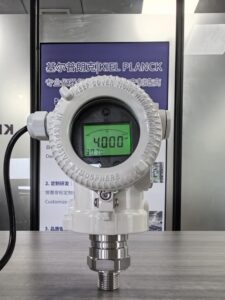
A monocrystalline silicon pressure transmitter may be considered for suitable pressure measurement applications where the selected model meets the actual process requirements.
2. Flow Measurement: Water, Cooling Medium, Hydrogen, and Oxygen
Flow measurement is another important instrumentation area.
Hydrogen equipment packages may require measurement of:
Pure water feed.
Cooling-water flow.
Electrolyte circulation, where applicable.
Hydrogen production flow.
Oxygen flow.
Purification feed and product flow.
Auxiliary liquid circulation.
Different fluids require different flow measurement technologies.
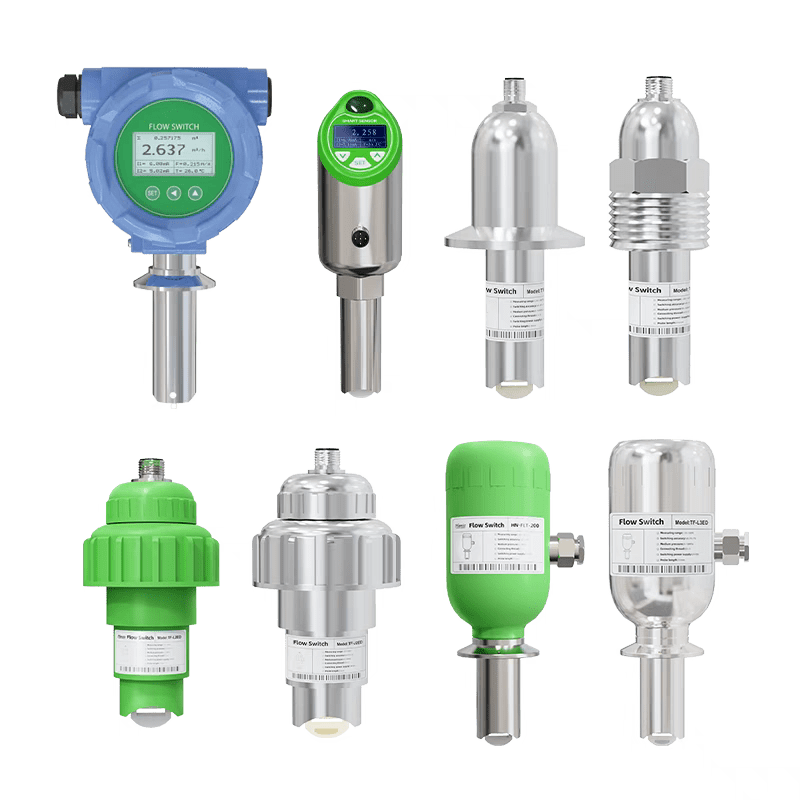
Electromagnetic flowmeters may be considered for conductive liquids. Coriolis meters may be suitable for certain mass flow applications. Thermal mass flowmeters may be used for suitable gas services.
Turbine, vortex, differential pressure, and ultrasonic technologies may also be considered depending on the fluid and operating conditions.
For pure water applications, conductivity must be checked before selecting an electromagnetic flowmeter.
For gas measurement, reference pressure and temperature conditions should be clearly defined.
3. Level Monitoring: An Important Requirement in Separation and Collection Vessels
Hydrogen production systems contain multiple vessels where liquid level monitoring may be required.
Typical applications include:
Hydrogen-side separators.
Oxygen-side separators.
Condensate tanks.
Water storage tanks.
Circulation vessels.
Drainage vessels.
Cooling-water tanks.
High-level alarms can help detect excessive liquid accumulation.
Low-level alarms can help monitor minimum liquid inventory where required.
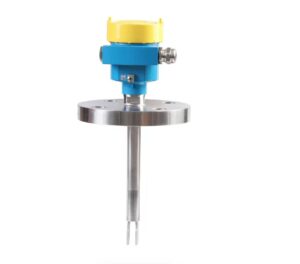
A vibrating fork level switch may be considered for point-level detection in compatible liquids.
For continuous level monitoring, another suitable level transmitter may be required.
The instrument selection should consider liquid composition, temperature, pressure, deposits, installation position, and output signal.
4. Differential Pressure Monitoring: An Often-Overlooked Measurement
Differential pressure monitoring can be useful in several hydrogen equipment applications.
Possible examples include:
Filter monitoring
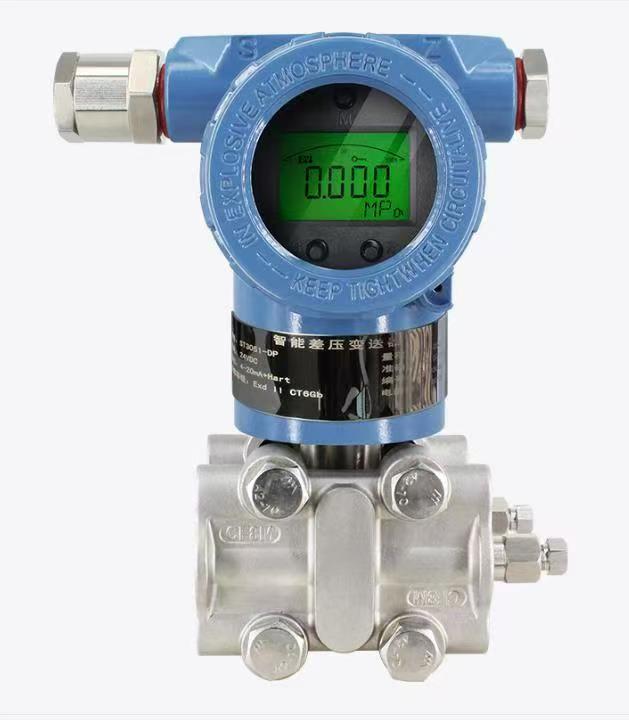
A differential pressure transmitter can measure pressure loss across a filter and help identify increasing restriction.
Gas separation systems
Depending on the process design, differential pressure may be used to monitor designated pressure relationships.
Electrolyzer hydrogen and oxygen sides
The pressure difference between the two sides may be important for certain electrolyzer designs and should follow the manufacturer’s operating limits.
Cooling and liquid circulation equipment
Differential pressure measurement may be specified across certain components to support troubleshooting.
Differential pressure instruments must be selected according to the expected differential range and the maximum static pressure.
5. Instrumentation Opportunities in Hydrogen Auxiliary Equipment
Some equipment manufacturers focus primarily on the main process equipment and may not fully standardize the associated instrumentation.
This can create opportunities to improve package integration.
Examples include:
| Equipment package | Potential measurement requirements |
|---|---|
| Water treatment skid | Pressure, flow, filter differential pressure, tank level |
| Electrolyzer skid | Pressure, differential pressure, water flow, temperature |
| Gas-liquid separator | Pressure, high/low level |
| Hydrogen dryer | Vessel pressure, flow, differential pressure |
| Hydrogen compressor | Suction/discharge pressure, interstage pressure, oil system monitoring |
| Cooling system | Pressure, flow, temperature, tank level |
| Storage system | High-pressure monitoring and associated control signals |
This table is a general reference. Actual measurement points must be determined from the project design and equipment documentation.
6. What Instrument Suppliers Should Provide to Equipment Manufacturers
For equipment manufacturers, product price is only one part of supplier evaluation.
Important technical information includes:
Complete product datasheets.
Pressure and flow measurement ranges.
Accuracy definitions.
Long-term stability specifications.
Wetted materials.
Temperature and pressure limits.
Electrical output options.
Hazardous-area certification, where required.
Process connection options.
Installation instructions.
Calibration documentation.
For hydrogen service, suppliers should provide clear information about material compatibility and the exact configuration suitable for the application.
For customized skids, the ability to provide different measurement ranges, process connections, outputs, and documentation may also be important.
7. How Equipment Manufacturers Can Standardize Instrumentation
Standardizing instrumentation can help simplify design, purchasing, spare parts, and maintenance.
A practical approach includes:
Create an instrument database
Record each instrument tag, measurement range, process medium, connection, output, and installation location.
Group similar applications
For example, separate low-pressure water measurement, oil pressure measurement, and high-pressure hydrogen measurement.
Define preferred specifications
Establish preferred materials, output signals, connection types, and documentation requirements.
Review hazardous-area requirements
Identify which measurement points are in classified areas and specify the required certification.
Evaluate lifecycle requirements
Consider calibration, replacement, maintenance access, and spare-part availability.
Standardization should not mean using the same instrument for every measurement point. It means creating consistent specifications for applications with genuinely similar requirements.
8. Questions to Ask Before Purchasing Hydrogen System Instruments
Before requesting quotations, equipment manufacturers should prepare the following information:
What medium is being measured?
What are the normal and maximum pressure or flow conditions?
What is the process temperature?
What measurement accuracy is required?
Is continuous measurement or point-level detection needed?
What output signal is required?
Is hazardous-area certification necessary?
What materials are suitable for the process?
What process connection is required?
What documentation must accompany delivery?
Providing this information helps suppliers recommend a suitable configuration and reduces the risk of repeated technical clarification.
Conclusion
The development of hydrogen production equipment creates instrumentation requirements across the entire process, not only at the electrolyzer stack.
Pressure transmitters support pressure monitoring in the stack, purification system, compressor, and storage equipment. Flowmeters measure water, cooling medium, hydrogen, and other process fluids. Level switches help monitor separators and collection vessels, while differential pressure instruments support filter and process monitoring.
For electrolyzer manufacturers and hydrogen system integrators, the main opportunity is to build complete, well-documented instrumentation packages around actual process requirements.
In 2026, equipment manufacturers should focus not only on instrument prices but also on measurement suitability, material compatibility, stability, certification, documentation, and long-term maintenance support. A carefully designed instrumentation package can help improve system integration and provide a more reliable operating experience.
Scan the QR code to receive more detailed information.