Water electrolysis systems require supporting equipment to maintain the intended process conditions.
Depending on the electrolyzer technology and package design, circulation pump systems may be used for cooling water, process water, electrolyte, or other auxiliary fluids.
A typical circulation pump package may include:
Liquid storage or collection tank.
Circulation pump.
Suction and discharge piping.
Filters.
Heat exchanger.
Control valves.
Pressure and flow instruments.
Level monitoring devices.
If the circulation system does not operate as intended, the electrolyzer or associated equipment may not maintain its required operating conditions.
Pressure, flow, and level measurements provide different information about the system.
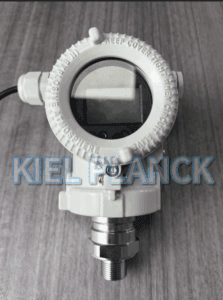
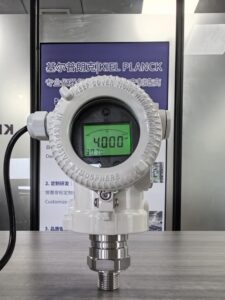
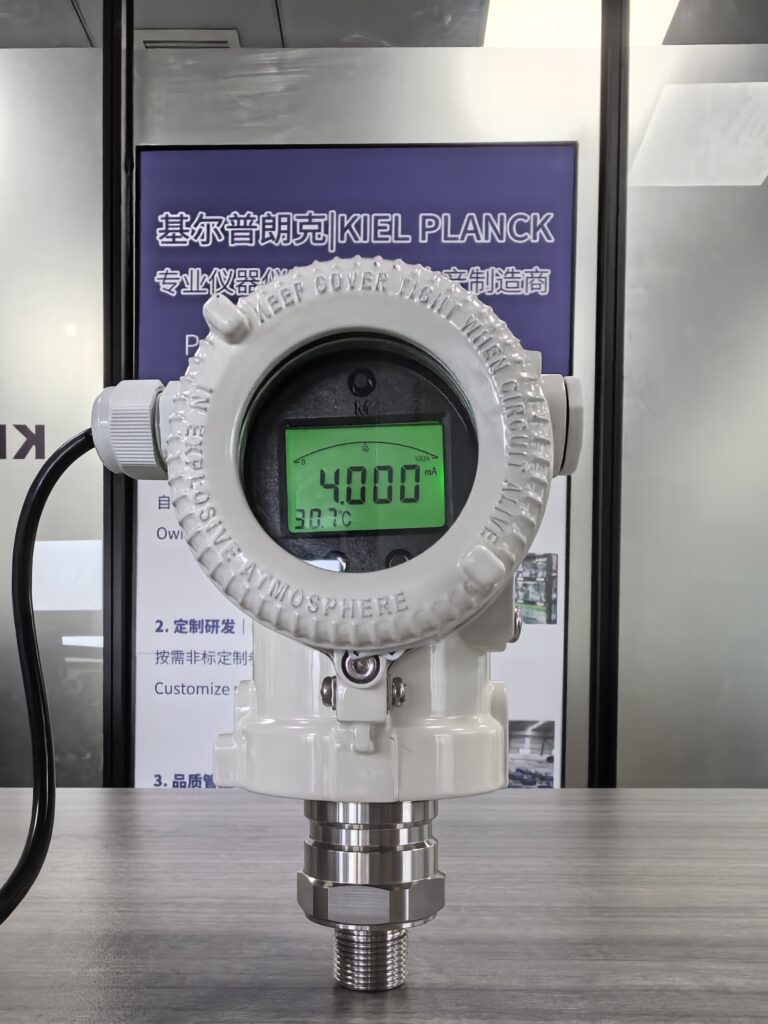
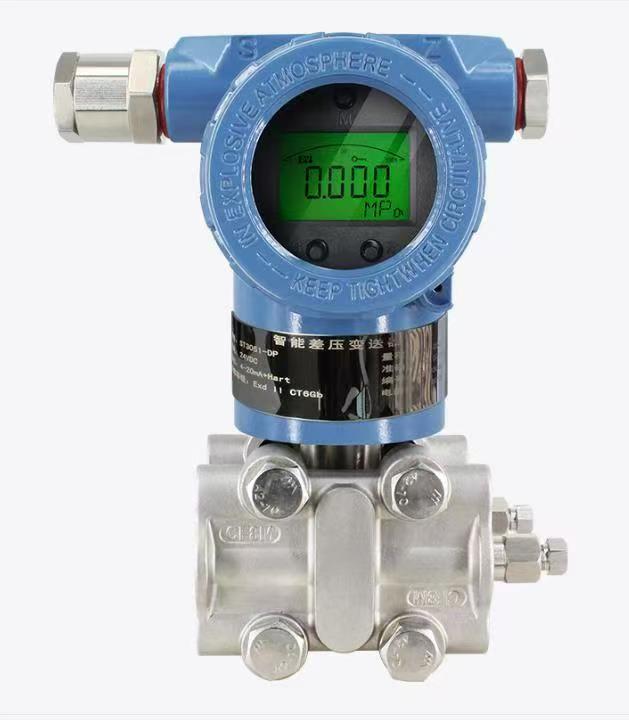
1. Pressure Transmitter: Monitor Pump Discharge Pressure
The pressure transmitter is commonly installed at the pump discharge or another designated pressure measurement point.
Its purpose is to provide continuous pressure information to the local display or control system.
Pressure monitoring can help operators:
Observe pump discharge pressure.
Identify abnormal pressure reduction.
Monitor pressure changes during startup.
Compare pressure trends with operating conditions.
Provide alarm signals where required.
When selecting the pressure transmitter, confirm the normal and maximum operating pressure, pressure transients, liquid temperature, process connection, wetted materials, and output signal.
A monocrystalline silicon pressure transmitter may be considered for suitable liquid pressure measurement applications when the selected model meets the required range, accuracy, stability, and material specifications.
The transmitter should not be selected only according to the pump’s nominal discharge pressure. The complete operating conditions must be considered.
2. Flow Switch or Flowmeter: Confirm Circulation
Pressure monitoring alone cannot prove that the required liquid flow is available.
For example, the pump may generate pressure while a downstream valve is closed or a pipeline is restricted.
Flow monitoring provides additional information.
There are two common options.
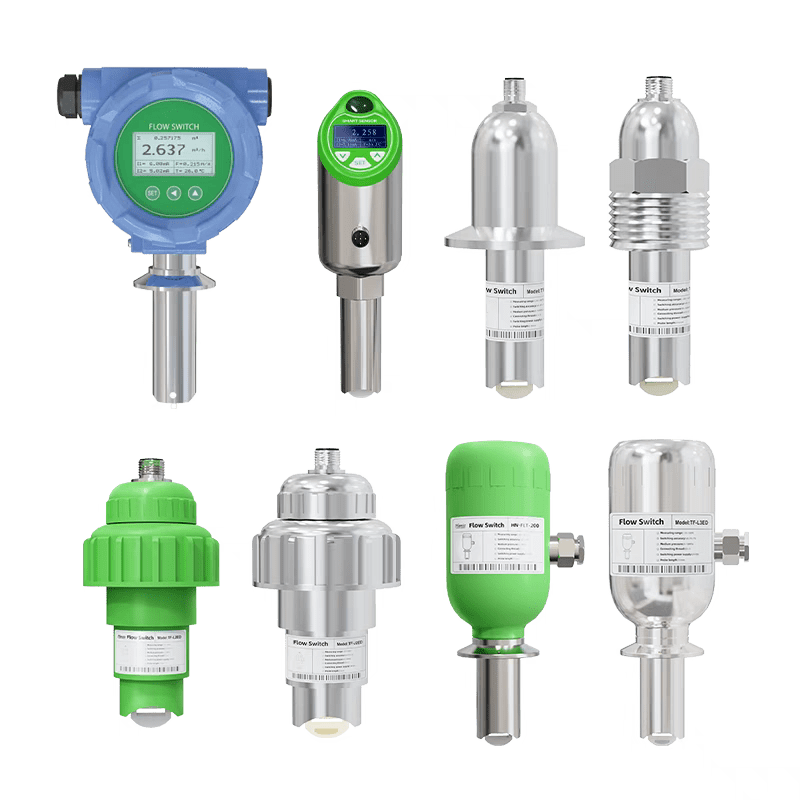
Flow switch
A flow switch provides a switching signal when flow reaches a defined condition.
It may be used for:
Minimum circulation confirmation.
Low-flow alarms.
Pump protection logic where specified.
Cooling-water availability monitoring.
Flowmeter
A flowmeter provides a continuous flow measurement.
It may be used for:
Flow indication.
Process monitoring.
Flow trend analysis.
Automatic flow control.
Performance evaluation.
The choice depends on whether the system needs a simple flow status or an actual flow value.
The selected instrument must match the liquid conductivity, viscosity, temperature, pressure, pipe diameter, and flow range.
For water applications, electromagnetic flowmeters may be considered when the liquid conductivity meets the model’s requirements. Other technologies may be appropriate depending on the actual process conditions.
3. Level Switch or Level Transmitter: Monitor the Supply Tank
The supply tank stores the liquid required by the circulation pump.
Low liquid level may affect pump suction conditions and reduce the available liquid inventory.
A high-level alarm may also be required to prevent overfilling or identify abnormal liquid accumulation.
Possible instrument options include:
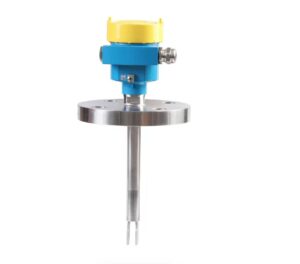
Vibrating fork level switch
Suitable for point-level detection when the liquid properties and process conditions are within the instrument’s specifications.
Continuous level transmitter
Useful when operators need ongoing level measurement or when the control system requires continuous level information.
Float level switch
May be suitable for certain tank designs, subject to liquid properties and mechanical conditions.
The choice depends on tank geometry, liquid characteristics, alarm requirements, and maintenance strategy.
4. How the Three Instruments Work Together
Pressure, flow, and level measurements provide complementary information.
Consider several possible conditions:
Normal tank level, normal pressure, and normal flow
The monitored conditions are consistent with expected circulation operation.
Low tank level and low flow
This may indicate insufficient liquid inventory or a problem with the supply arrangement.
Normal tank level but low flow
Possible causes include a blocked pipeline, closed valve, pump problem, or other hydraulic issue.
Normal flow but abnormal discharge pressure
The condition may be related to system resistance, valve position, pump performance, or measurement location.
The instruments do not independently identify every fault. Their signals should be evaluated together with pump status, temperature, valve position, and process information.
5. Selection Checklist for the Three Instruments
| Instrument | Main function | Key selection factors |
|---|---|---|
| Pressure transmitter | Pump discharge pressure | Range, accuracy, materials, temperature |
| Flow switch | Flow status | Minimum flow, liquid compatibility, output |
| Flowmeter | Continuous flow | Flow range, pipe size, conductivity or viscosity |
| Level switch | High/low level alarm | Liquid properties, switching elevation |
| Level transmitter | Continuous level | Tank geometry, measurement range, output |
The final configuration should be based on the approved P&ID and pump package requirements.
6. Installation and Commissioning Considerations
Before commissioning:
Confirm the pressure tapping point.
Verify the flowmeter installation direction.
Check the required straight pipe length.
Confirm the level switch installation elevation.
Verify all wetted materials.
Check output signals and wiring.
Test alarms and control logic.
Compare measurements with suitable reference instruments where practical.
Instrument installation should follow the manufacturer’s instructions.
Conclusion
A circulation pump package for a hydrogen production system may require three important measurement functions: pressure monitoring, flow monitoring, and liquid-level monitoring.
A pressure transmitter helps observe pump discharge conditions. A flow switch or flowmeter provides information about circulation. A level switch or level transmitter monitors liquid inventory in the supply tank.
The correct instruments depend on the actual fluid, pressure, temperature, flow range, tank design, and control requirements.
For electrolyzer manufacturers and circulation pump package suppliers, integrating these three measurement functions into the package design can help improve operating visibility and simplify system integration.
Scan the QR code to receive more detailed information.