The lining is one of the most important components because it directly contacts the medium and determines the chemical resistance, temperature limit, abrasion resistance and overall service life of the meter. Among the commonly used lining materials, PTFE, PFA and neoprene rubber each have distinct characteristics. PTFE offers excellent chemical resistance but limited abrasion resistance, PFA combines good corrosion resistance with high-temperature tolerance and smooth flow, while neoprene rubber provides strong abrasion resistance for slurries and wastewater at moderate temperature. This paper introduces the role of the lining in electromagnetic flow meters, analyzes the properties and application boundaries of these three materials, and provides practical selection guidelines matched to real working conditions.
Keywords: electromagnetic flow meter; lining material; PTFE; PFA; neoprene; corrosion resistance; abrasion resistance; medium compatibility
Role of the Lining in Electromagnetic Flow Meters
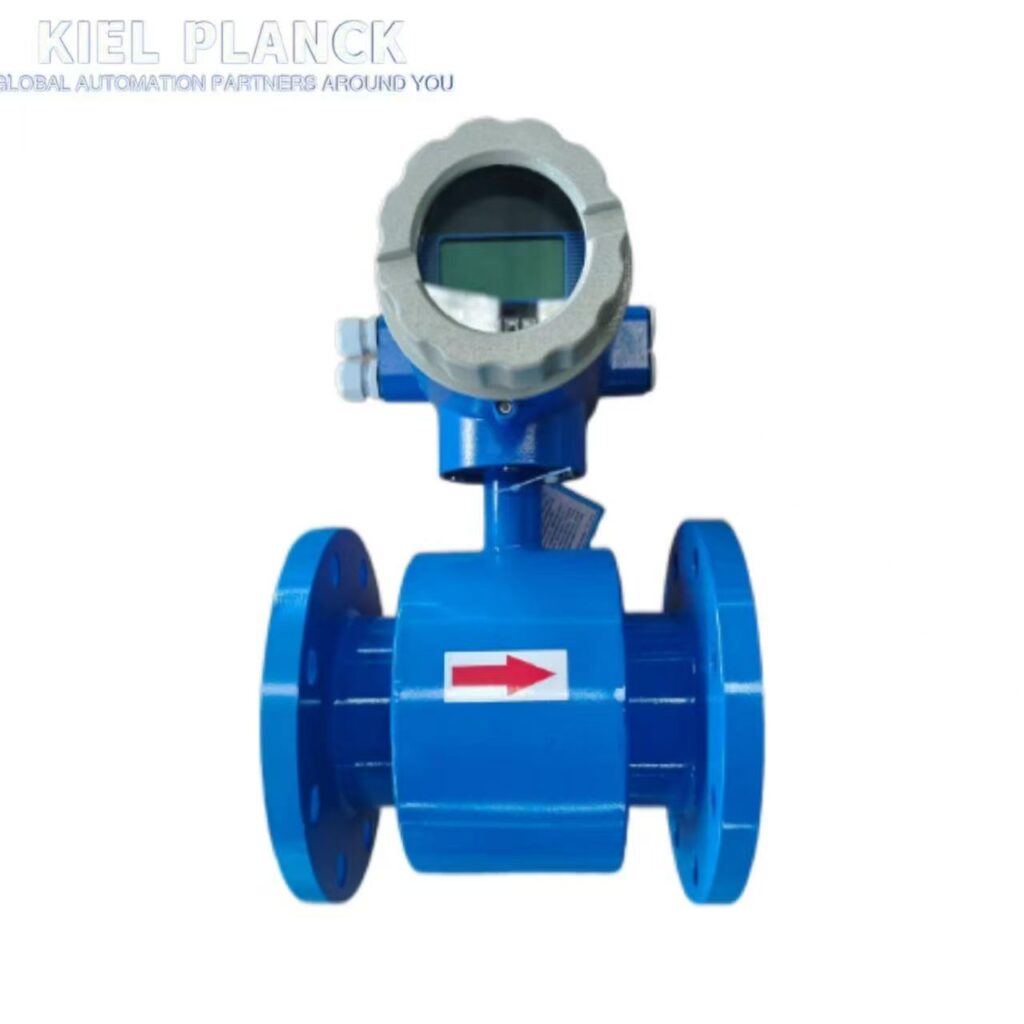
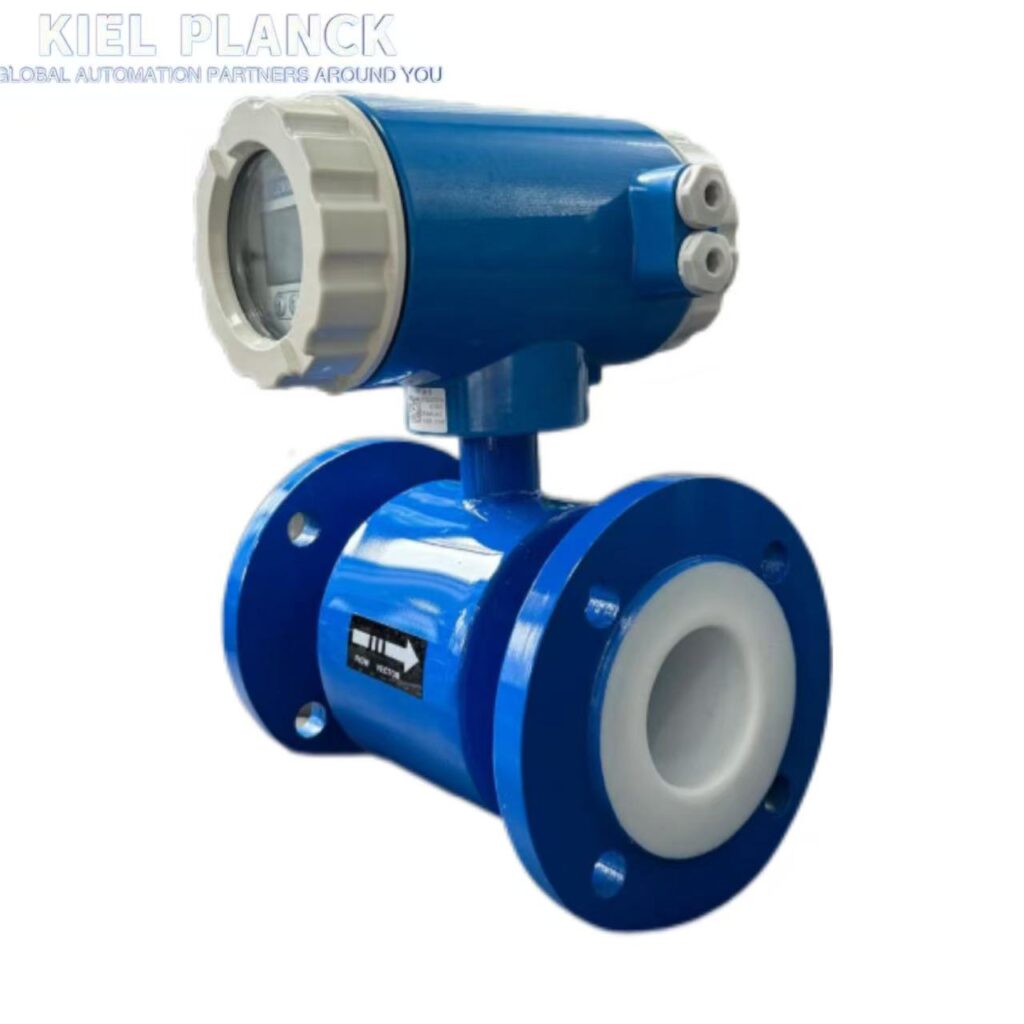
In an electromagnetic flow meter, the measuring tube contains the conductive liquid and the two measuring electrodes. The inner surface of the tube is covered by a lining that isolates the metal housing from the process medium. Because the lining is always immersed, it must resist corrosion from the liquid, withstand the operating temperature and pressure, and tolerate any suspended solids. The choice of lining affects not only the chemical compatibility but also the signal stability, because the lining determines the contact between the liquid and the electrodes. Selecting the correct lining material is therefore essential to avoid corrosion, leakage and premature failure.
Characteristics of the Three Lining Materials
PTFE, polytetrafluoroethylene, is the most widely used lining for general corrosive service. It offers outstanding resistance to almost all chemicals, including strong acids, alkalis and solvents, and it is stable at moderate temperatures up to about 180 degrees Celsius. PTFE is economical and versatile, making it suitable for a broad range of chemical and water applications. Its main limitation is relatively poor abrasion resistance, so it is not ideal for media with high concentrations of hard particles or fast-moving slurry.
PFA, perfluoroalkoxy, is a melt-processable fluoropolymer with chemical resistance similar to PTFE. It provides excellent corrosion resistance, a smooth inner surface that reduces scaling and pressure loss, and a higher operating temperature range. Because PFA is melt-processable, it can be bonded more reliably to the tube wall, giving better mechanical stability and a longer service life in demanding applications. PFA is often chosen for high-purity, high-temperature or aggressive chemical service where long-term reliability is required.
Neoprene rubber is a synthetic elastomer valued for its strong abrasion resistance. It withstands the wear of slurries, raw sewage and abrasive wastewater better than fluoropolymers, and it provides good resilience against mechanical impact. Neoprene is generally limited to moderate temperatures, typically up to about 80 degrees Celsius, and its chemical resistance is narrower, being suitable for water, sewage and mild media rather than strong acids. It is a cost-effective choice for municipal wastewater and slurry metering where abrasion is the dominant concern.
Lining material | Typical temperature limit | Key characteristics |
|---|---|---|
PTFE | Up to about 180 degrees Celsius | Excellent chemical resistance, economical, limited abrasion resistance |
PFA | Higher than PTFE | Good corrosion resistance, smooth surface, high reliability |
Neoprene rubber | Up to about 80 degrees Celsius | Strong abrasion resistance, suitable for slurry and wastewater |
Selection Guidelines for Real Working Conditions
The lining material should be selected according to the chemical composition, temperature, and abrasive content of the measured medium. For general corrosive liquids such as acids, alkalis and solvents at moderate temperature, PTFE provides a reliable and economical solution. For high-purity, high-temperature or aggressive chemical service where long-term stability and a smooth flow surface are required, PFA is preferred. For municipal wastewater, sewage and slurry containing sand or hard particles, neoprene rubber offers the abrasion resistance needed to extend the meter life, provided the temperature stays within its limit.
Several factors must be considered together when choosing a lining. The maximum working temperature of the medium must stay within the lining limit; exceeding it can cause the lining to soften, deform or detach. The presence of abrasive solids requires a lining with high abrasion resistance, and the flow velocity should be checked because high velocity increases erosion. The chemical compatibility must be confirmed against the actual concentration and temperature, not only the generic medium name. For demanding or uncertain applications, consultation with the instrument manufacturer or on-site testing is recommended before final selection.
Field Considerations and Maintenance
Beyond material choice, the reliable performance of the lining depends on correct handling and maintenance. The lining is vulnerable to mechanical damage during installation, so the meter should be installed with care and protected from sharp tools and impact. Gaskets and flange connections must be properly selected and tightened so that the lining is not squeezed or torn, which could cause leakage at the interface. When the medium contains abrasive particles, the flow velocity and the orientation of the meter should be checked, and periodic inspection of the lining surface for wear and pitting is recommended.
For media that tend to scale or foul, the smooth surface of a fluoropolymer such as PFA reduces deposit build-up, lowering the frequency of maintenance. For slurry service, the harder-wearing neoprene lining extends the time between replacements. Regular inspection of the measuring tube and comparison of the measured value with a reference point help detect early deterioration of the lining before it develops into a leak or a loss of measurement accuracy. Correct material selection combined with disciplined field practice gives the longest and most reliable service from an electromagnetic flow meter.
Conclusion
The lining material is a key factor in the long-term reliability of electromagnetic flow meters. PTFE offers excellent chemical resistance and economy for general corrosive service, PFA provides high-temperature stability and a smooth surface for demanding chemical and high-purity applications, and neoprene rubber delivers strong abrasion resistance for slurry and wastewater metering. Correct selection should be based on the actual medium composition, temperature, abrasive content and flow velocity. Matching the lining material to the real working condition prevents corrosion, erosion and leakage, extends the service life of the meter, and ensures stable and accurate flow measurement across a wide range of industrial and municipal applications.
Scan the QR code to receive more detailed information.