The electrodes are the only sensor components that directly contact the measured medium, and their material selection directly determines measurement accuracy, reliability and service life. Wrong electrode material leads to corrosion, scaling, signal drift and premature meter failure. Among the commonly used electrode materials, 316L stainless steel, titanium, tantalum and platinum-iridium alloy each have distinct corrosion resistance, applicable media and cost levels. This paper introduces the role of electrodes in electromagnetic flow measurement, analyzes the characteristics and application boundaries of these four materials, compares their corrosion resistance to acids, alkalis, chlorides and other aggressive media, and provides practical selection guidelines matched to real working conditions. The purpose is to help instrument engineers choose the correct electrode material and avoid costly field failures.
Keywords: electromagnetic flow meter; electrode material; 316L stainless steel; titanium; tantalum; platinum-iridium; corrosion resistance; medium compatibility
Role of Electrodes in Electromagnetic Flow Meters
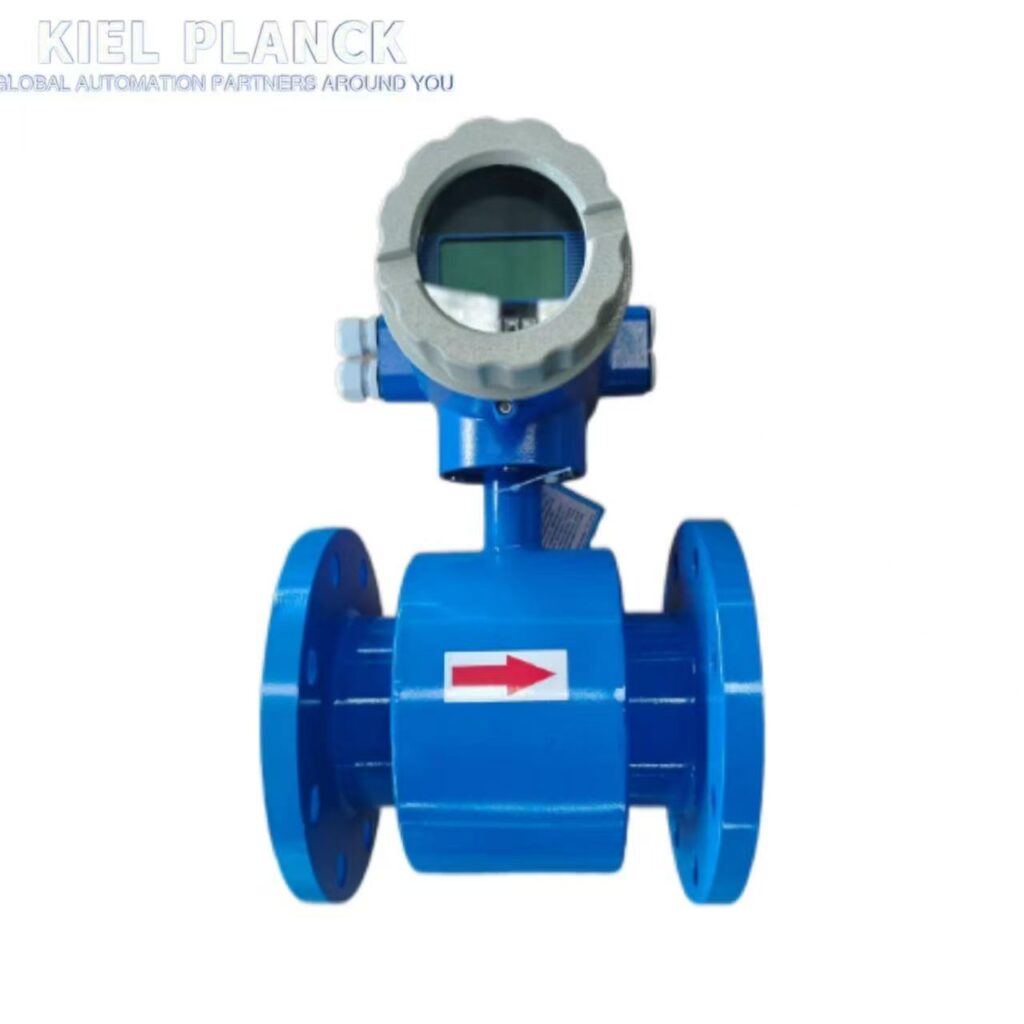
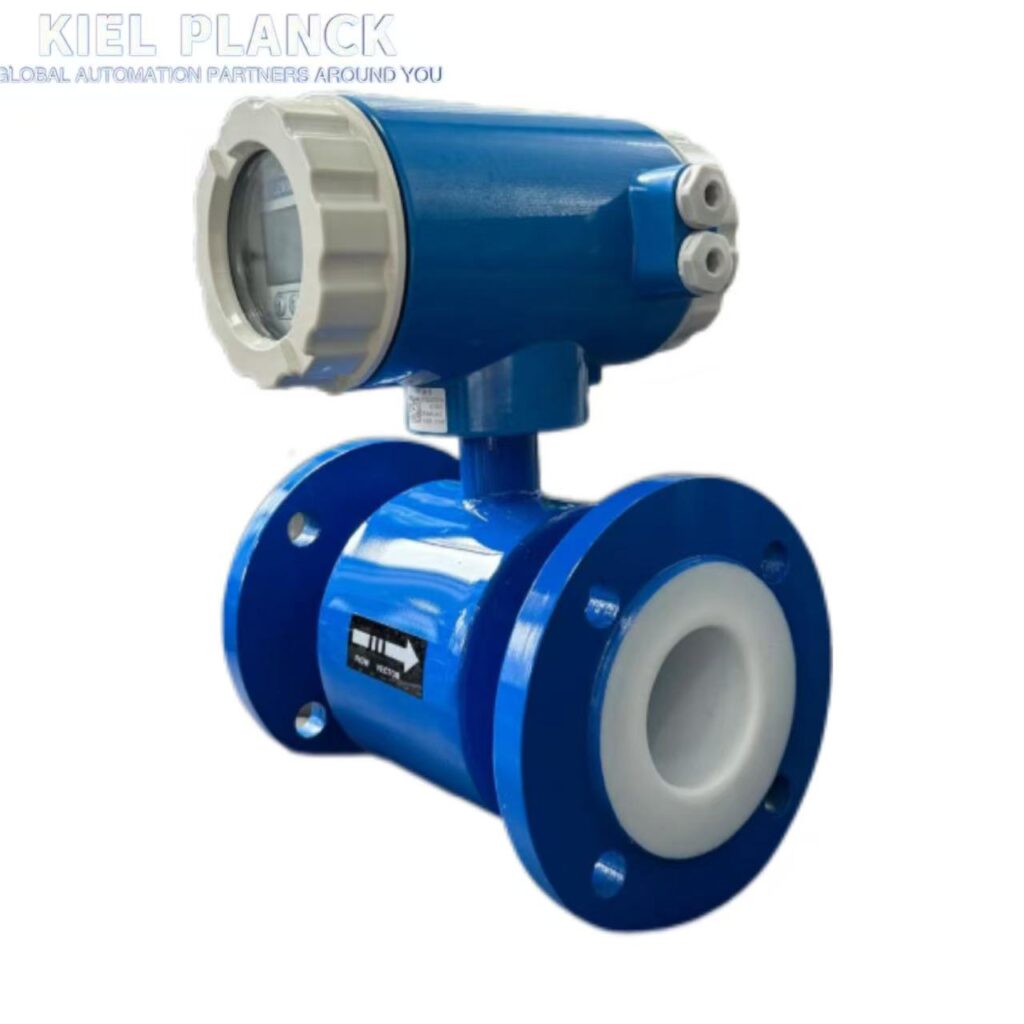
In an electromagnetic flow meter, the measuring tube is placed inside a magnetic field, and a conductive liquid flowing through it generates an induced electromotive force. Two measuring electrodes mounted on the inner wall pick up this small signal and transmit it to the converter. The electrodes therefore form the conductive interface between the medium and the instrument. Because they are always immersed in the process liquid, they must resist corrosion, abrasion and scaling while providing stable contact. If the electrode corrodes, its contact resistance changes, the induced signal becomes unstable, and the flow reading drifts. Electrode material selection is therefore one of the most important decisions in applying an electromagnetic flow meter to a specific medium.
Characteristics of the Four Electrode Materials
316L stainless steel is the standard general-purpose electrode material. It contains molybdenum, which improves resistance to chlorides and reducing acids compared with ordinary stainless steel. It performs well for clean water, wastewater, neutral salts and many mild chemical solutions, and it is economical. However, 316L is not resistant to strong acids, strong alkalis or high-concentration chloride media, where pitting and stress corrosion can occur.
Titanium electrodes offer excellent resistance to chlorides, sea water and many oxidizing media. They are a good choice for sea water, brine, sodium hypochlorite and chlorine-containing applications. Titanium is lightweight and strong, but it is not suitable for concentrated reducing acids such as hot hydrochloric acid or strong sulfuric acid.
Tantalum electrodes provide outstanding corrosion resistance to a very wide range of chemicals, including strong acids, and are suitable for hydrochloric acid, sulfuric acid and other highly corrosive media. Tantalum is very expensive and is usually reserved for the most demanding acid applications where other materials fail.
Platinum-iridium alloy electrodes combine high corrosion resistance with excellent electrical stability. They resist many acids and aggressive media while maintaining stable signal contact, and they are often chosen for high-value or critical measurement where long-term reliability is essential. Platinum-iridium is the most costly of the four materials.
Electrode material | Typical applicable media | Key limitation |
|---|---|---|
316L stainless steel | Water, wastewater, neutral salts, mild solutions | Not resistant to strong acids, alkalis, high chlorides |
Titanium | Sea water, brine, sodium hypochlorite, chlorides | Fails in hot hydrochloric acid, concentrated sulfuric acid |
Tantalum | Strong acids such as hydrochloric and sulfuric acid | High cost |
Platinum-iridium | Aggressive and high-value media, critical measurement | Highest cost |
Selection Guidelines for Real Working Conditions
The electrode material should be selected according to the chemical composition, temperature and concentration of the measured medium, not merely by generic names. For common water and sewage applications, 316L is usually sufficient and economical. For sea water, brine and chlorine-containing processes, titanium is the preferred choice. For strong acid service, tantalum provides broad corrosion resistance. When the medium is aggressive and the measurement point is critical or costly to maintain, platinum-iridium is justified by its stability and long life.
In addition to corrosion resistance, several factors must be considered together. The temperature of the medium affects the corrosion rate of every material, so the maximum working temperature must be checked against the material limit. The presence of suspended solids or abrasive particles may erode the electrode surface, and harder materials are preferred. The conductivity of the liquid must also be high enough for reliable signal generation. For borderline cases, on-site corrosion tests or consultation with the instrument manufacturer are recommended to confirm the material before final selection.
Field Considerations and Maintenance
Beyond material choice, reliable electrode performance depends on correct installation and regular maintenance. The electrodes must be properly sealed and grounded so that no leakage current disturbs the weak induced signal. In many installations, grounding rings or grounding electrodes are required to eliminate electrostatic interference from the piping. When the medium tends to scale or foul, the electrode surface can gradually lose contact with the liquid, causing signal drift even if the material itself is corrosion-resistant. In such cases, maintenance scheduling and, where available, electrode cleaning features should be planned.
Abrasive media such as slurry or wastewater with sand can wear the electrode surface regardless of its corrosion resistance, so the material and the pipe lining must be selected to tolerate erosion. For high-value or difficult-to-replace installations, using a noble material such as platinum-iridium reduces the risk of both corrosion and contact instability over the long term. Regular inspection of the electrode condition and comparison of the measured value with a reference point help detect early deterioration before it becomes a costly failure.
Conclusion
Electrode material is a key factor in the long-term reliability of electromagnetic flow meters. 316L stainless steel suits general water and mild media at low cost, titanium handles chlorides and sea water, tantalum resists strong acids, and platinum-iridium provides maximum corrosion resistance and signal stability for aggressive or critical service. Correct selection should be based on the actual medium composition, temperature, concentration and abrasiveness rather than generic names. Matching the electrode material to the real working condition prevents corrosion, scaling and signal drift, extends the service life of the meter, and ensures stable and accurate flow measurement across a wide range of industrial applications.
Scan the QR code to receive more detailed information.