Tuning fork level switches and float switches are both used for point-level detection in tanks and vessels.
Although they serve similar purposes, they operate differently and may perform differently under particular process conditions.
Understanding these differences helps engineers and purchasing teams select the right instrument for their applications.
What Is a Tuning Fork Level Switch?
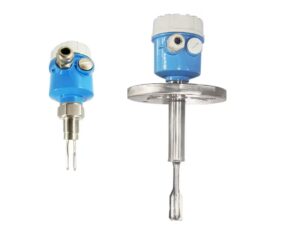
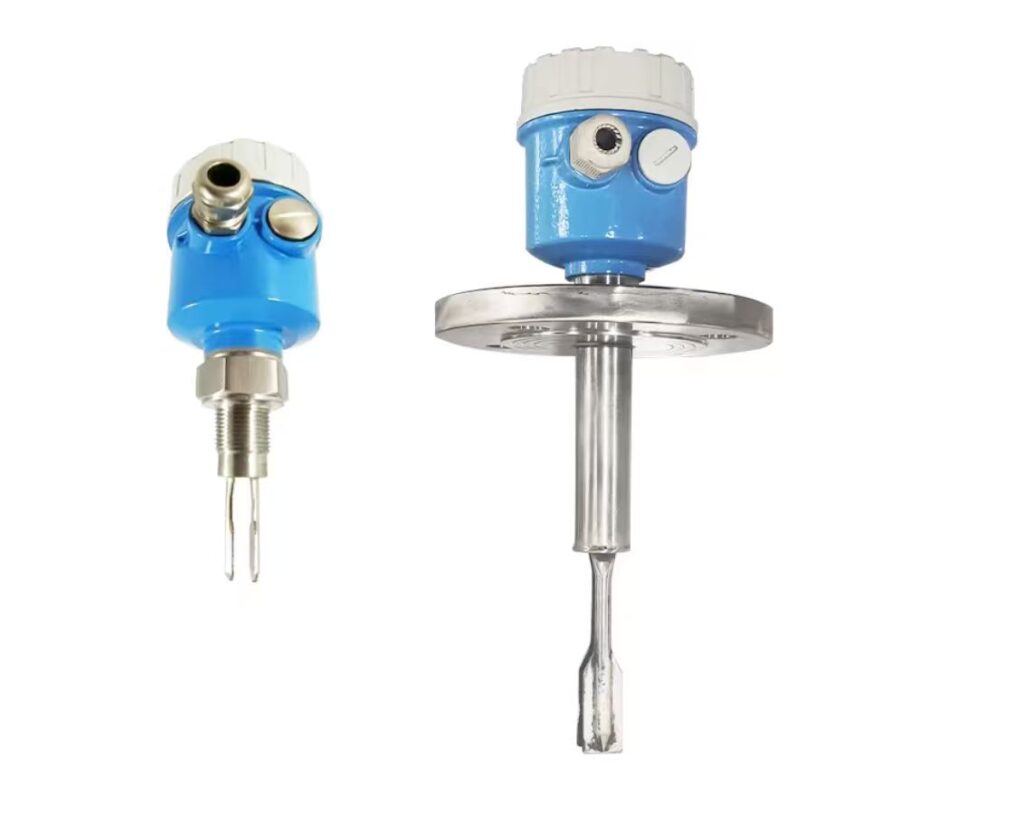
A tuning fork level switch uses a vibrating fork-shaped sensing element to detect the presence of a liquid.
When the liquid reaches the fork, the instrument detects a change in vibration characteristics and changes its electrical output.
Depending on the model, it can be used for high-level alarms, low-level detection, and automatic process control.
Its suitability depends on the liquid properties, process conditions, and instrument specifications.
What Is a Float Switch?
A float switch uses a floating element that moves in response to changes in liquid level.
When the float reaches a specific position, a switching mechanism changes state. The output may be used to activate an alarm or control equipment.
Float switches are available in different designs, including vertical, horizontal, and cable-mounted configurations.
Their suitability depends on factors such as the liquid, float material, installation geometry, and potential mechanical interference.
Key Differences
| Feature | Tuning Fork Level Switch | Float Switch |
|---|---|---|
| Working principle | Detects changes in fork vibration | Detects float movement |
| Moving parts | No moving float mechanism | Uses a moving float |
| Installation | Depends on fork and connection design | Depends on float configuration |
| Liquid compatibility | Must be checked against model specifications | Must be checked against float and switch materials |
| Potential concerns | Coating, buildup, unsuitable liquid properties | Mechanical sticking, deposits, or float movement restrictions |
| Typical applications | Industrial tanks and process vessels | Water tanks, sumps, and other suitable liquid systems |
Neither technology is automatically the best choice for every application.
When Should You Choose a Tuning Fork Level Switch?
A tuning fork level switch may be a suitable choice when:
You need industrial point-level detection.
The installation benefits from a vibrating sensing element rather than a moving float.
The selected model is compatible with the liquid and process conditions.
You need a switching signal for a PLC, alarm, or pump control system.
For liquids that may form heavy deposits or have properties outside the instrument’s specified range, consult the manufacturer before selection.
When Should You Choose a Float Switch?
A float switch may be suitable when:
The application is relatively simple.
A float-based design fits the tank geometry.
The liquid is compatible with the float and housing materials.
The operating conditions match the switch’s specifications.
The installation allows the float to move freely.
Some applications may favor a compact float switch, while others require a different industrial sensing design.
Questions to Ask Before Purchasing
Before comparing prices, identify the actual process requirements.
What liquid will the switch detect?
What are the operating temperature and pressure?
Is the tank open or pressurized?
What connection and insertion length are required?
What output signal does the control system need?
Are there deposits, turbulence, or mechanical obstructions?
Are special material or certification requirements necessary?
A supplier can use these details to recommend a suitable model.
Frequently Asked Questions
Q1: Is a tuning fork level switch always more reliable than a float switch?
No. Reliability depends on the application, product design, installation, maintenance, and operating conditions.
Q2: Can both types control pumps?
Yes. Both can provide switching signals for compatible pump control systems when properly configured.
Q3: Which type is better for industrial applications?
There is no universal answer. The best choice depends on the medium, process conditions, installation requirements, and control system.
Conclusion
Tuning fork level switches and float switches provide different approaches to point-level detection. Comparing their working principles, material compatibility, and installation requirements helps users select the right solution for their equipment.


Scan the QR code to receive more detailed information.