Flow Measurement and Differential Pressure Technology - Kiel Planck
  • Home
        • New Product

          Flow Measurement and Differential Pressure Technology - Kiel Planck

          There is a solution for every application. Let’s work together to find the right solution for you.

          Your benefits

          We use our experience to move your project forward.

          PHONE: 400-8868-261

          E-mail: info@kielplanckprc.com / kielplanck@outlook.com

  • Application
  • Service
  • Brand
  • Blog
  • Contact Us

Flow Measurement and Differential Pressure Technology

Flow Measurement and Differential Pressure Technology

Industrial flow measurement can use several technologies, including electromagnetic, turbine, vortex, ultrasonic, and differential pressure. These methods operate differently and are suitable for different media and process conditions.

Monocrystalline silicon is a sensor technology used in some pressure transmitters. It is not, by itself, a standard category of flowmeter. However, a pressure transmitter using a silicon sensing element may be used in a differential pressure measurement system for flow calculation.

1. How Differential Pressure Flow Measurement Works

A differential pressure flow system measures the pressure difference created by a primary element, such as an orifice plate or another engineered restriction.

The flow rate is calculated using the differential pressure and the characteristics of the measurement system. Depending on the application, additional information such as fluid density, temperature, and pressure may be required.

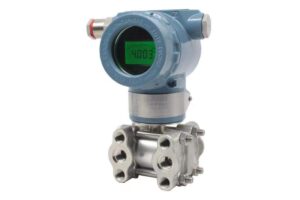
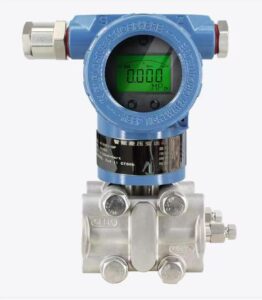
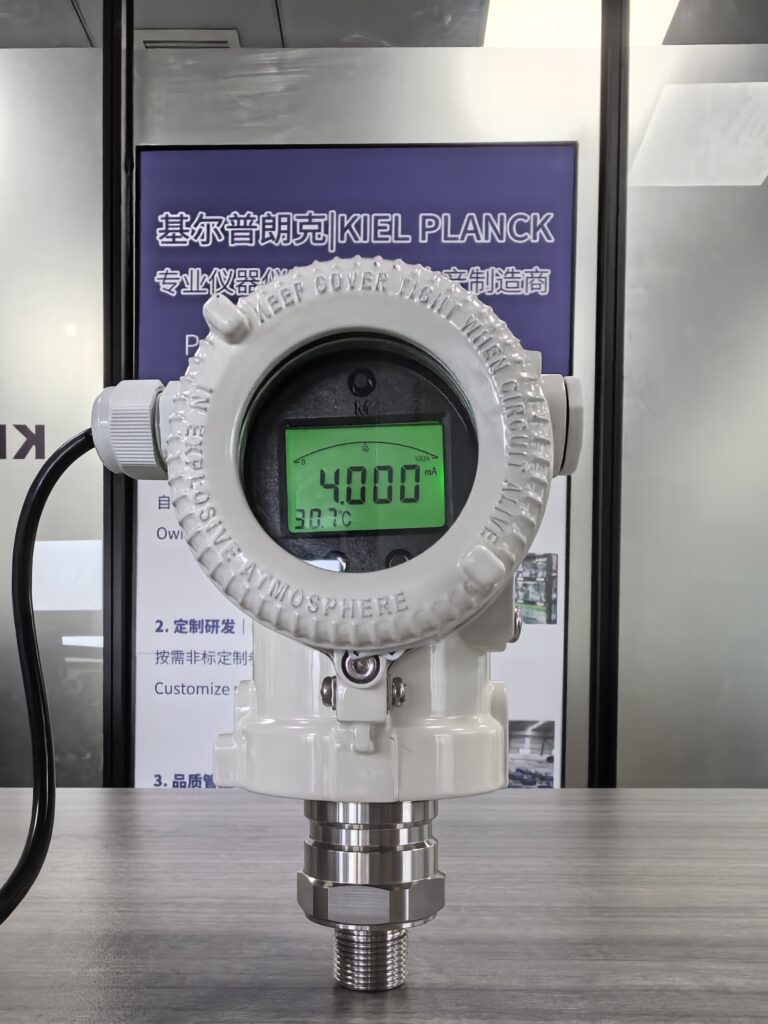
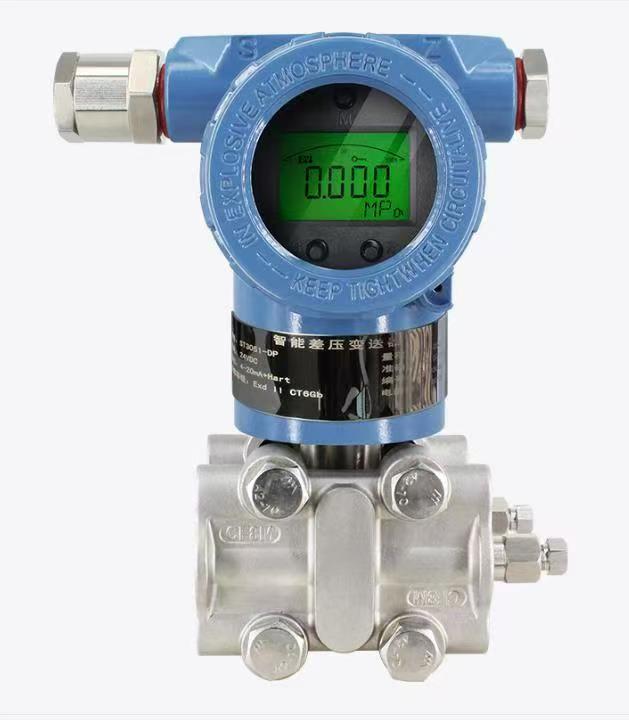
A differential pressure transmitter measures the pressure difference; it is not necessarily a complete flowmeter on its own.

2. Understand the Complete Measurement System

Before selecting a supplier, identify which components are included.

A typical system may contain:

  • A primary flow element

  • A differential pressure transmitter

  • Impulse lines or a suitable manifold arrangement

  • Pressure and temperature compensation, where required

  • A flow computer or control system, depending on the application

Ask the supplier to clarify whether the quotation covers the transmitter alone or the complete measurement package.

3. Check Differential Pressure Performance

Important parameters include:

  • Differential pressure range

  • Static line pressure

  • One-sided overpressure limits

  • Accuracy and repeatability

  • Temperature effects

  • Long-term stability

  • Response and damping settings

The differential measurement range and the maximum allowable static pressure are different specifications. Both should match the installation.

4. Choose the Right Flow Technology

Different flow technologies have different requirements.

TechnologyTypical consideration
ElectromagneticGenerally suitable for electrically conductive liquids
TurbineRequires consideration of fluid properties and moving components
VortexOften used for compatible liquid, gas, and steam applications
UltrasonicSelection depends on the measurement method, pipe conditions, and medium
Differential pressureRequires a suitable primary element and pressure measurement system

Do not choose a flowmeter based only on the sensor technology used inside one component. Select the measurement principle according to the fluid and required performance.

5. Evaluate the Manufacturer

When comparing suppliers, ask for the complete technical configuration, applicable standards, installation requirements, calibration documentation, and support arrangements.

If a supplier offers both pressure transmitters and flow measurement systems, clarify the scope of engineering responsibility. A complete system may require sizing calculations, primary-element design, and application-specific configuration.

Frequently Asked Questions

Is a monocrystalline silicon flowmeter a standard product category?

It is not a common standard category of flowmeter. Monocrystalline silicon is more commonly associated with pressure sensing. Confirm the actual measurement principle of any product marketed under this name.

Can a differential pressure transmitter measure flow?

It can be part of a differential pressure flow measurement system when used with a suitable primary element and the appropriate calculation method.

What should buyers compare between suppliers?

Compare the complete configuration, performance specifications, compatibility, documentation, calibration, and technical support.

Conclusion

Successful flow measurement depends on the correct measurement principle and a properly configured system. If differential pressure technology is being considered, evaluate the primary element, transmitter, pressure limits, installation, and calculation requirements together. Clear product terminology helps buyers obtain accurate quotations and avoid selecting the wrong instrument.
Flow Measurement and Differential Pressure Technology - Kiel Planck

Scan the QR code to receive more detailed information.

Flow Measurement and Differential Pressure Technology - Kiel Planck

Share:

More Posts

Learn how to validate a domestic pressure transmitter replacement using specification reviews, bench tests, installation trials, and production acceptance criteria. - Kiel Planck

Learn how to validate a domestic pressure transmitter replacement using specification reviews, bench tests, installation trials, and production acceptance criteria.

Introduction

Replacing an imported pressure transmitter with a domestic alternative requires more than confirming that a sample passes an initial test. The instrument must also remain suitable under the actual operating conditions and be manufactured consistently.

A structured validation plan helps buyers identify technical differences before approving a replacement for wider use.

1. Define the Requirements First

Before testing a sample, create a specification based on the existing instrument and process needs.

Include:

Measurement range and reference accuracy

Long-term stability requirements

Temperature effects

Overload and static pressure limits

Wetted materials and seals

Output signal and communication

Mechanical dimensions and connections

Required certifications and documentation

Separate mandatory requirements from preferences. Any mandatory safety or compliance requirement should be treated as a pass/fail criterion.

2. Review Documents Before Testing

Request the exact model’s datasheet, wiring diagram, installation manual, material specifications, calibration records, and applicable certificates.

Review whether each claimed parameter has a clear definition and test condition.

If the replacement differs from the original, record the difference and determine whether it affects measurement performance, installation, maintenance, or compliance.

3. Conduct a Bench Test

A bench test can assess the transmitter’s initial performance under controlled conditions.

Possible checks include:

Output at several pressure points

Repeatability over repeated cycles

Zero and span adjustment

Response to a defined pressure change

Temperature effects, if suitable equipment is available

Alarm or diagnostic behavior, where applicable

Use calibrated reference equipment and document the method, test conditions, and acceptance limits. A successful bench test establishes only the performance assessed by that test; it does not prove every aspect of long-term field performance.

4. Run an Application Trial

Where the application and site procedures permit, evaluate the replacement under representative operating conditions.

Record pressure, temperature, process medium, installation details, output behavior, and any maintenance events.

For critical applications, the trial should be reviewed and authorized by the responsible engineering or safety team. Do not bypass protection systems or change approved configurations simply to test a product.

5. Validate Production Consistency

One sample may not represent the full production batch.

For larger orders, agree on a quality plan that may include:

Defined incoming inspection

Sampling or batch acceptance criteria

Calibration and final inspection records

Serial number traceability

Procedures for handling failed units

Change notification for critical components or design revisions

The appropriate sampling plan depends on the application risk, order volume, and quality system.

6. Review Long-Term Performance

Where long-term stability is important, retain calibration and maintenance records over a suitable period.

Compare the actual results against agreed limits and the original transmitter’s performance requirements. Consider operating conditions when interpreting drift or failures.

Do not claim multi-year equivalence based only on a short sample test. Longer-term evidence or suitable manufacturer data may be needed.

7. Create a Final Acceptance Report

A useful report should include the model numbers, test methods, reference equipment, results, deviations, approvals, and outstanding risks.

Validation stage

Evidence

Document review

Datasheets, certificates, drawings

Bench test

Recorded readings and test conditions

Installation trial

Operating data and commissioning records

Batch quality

Inspection and traceability records

Long-term review

Calibration history and maintenance data

Final approval

Signed acceptance and deviation record

Frequently Asked Questions

Why isn’t a passing sample enough?

A sample test may not reveal batch variation, long-term drift, or issues that appear only under actual operating conditions.

Should every replacement undergo field testing?

The required level of testing depends on the application risk, project requirements, and site procedures. Critical applications may require more extensive qualification.

When can the replacement be approved?

Approval should follow the agreed acceptance criteria, document review, required testing, and authorized engineering review.

Conclusion

A reliable replacement process combines specification review, controlled bench testing, application validation, production quality checks, and documented approval. This provides stronger evidence than a single sample result and helps ensure the replacement is suitable for ongoing industrial use.

Send Us A Message

captcha
Reload

Bitte geben Sie die im CAPTCHA angezeigten Zeichen ein, um sicherzustellen, dass Sie ein Mensch sind.

Email
Email: info@kielplanckprc.com
WhatsApp
WhatsApp Me