Industrial buyers are increasingly evaluating pressure transmitters from different regions to balance performance, delivery time, technical support, and total cost. For Chinese manufacturers, the key question is not simply whether a product is domestically made, but whether its verified performance meets the application requirements.
There is no single test that proves local products have caught up in every category. A fair assessment compares specific models under consistent conditions.
This guide outlines five applications where buyers can evaluate local alternatives using clear technical criteria.
1. General Process Pressure Measurement
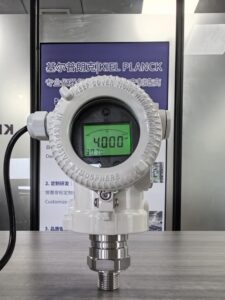
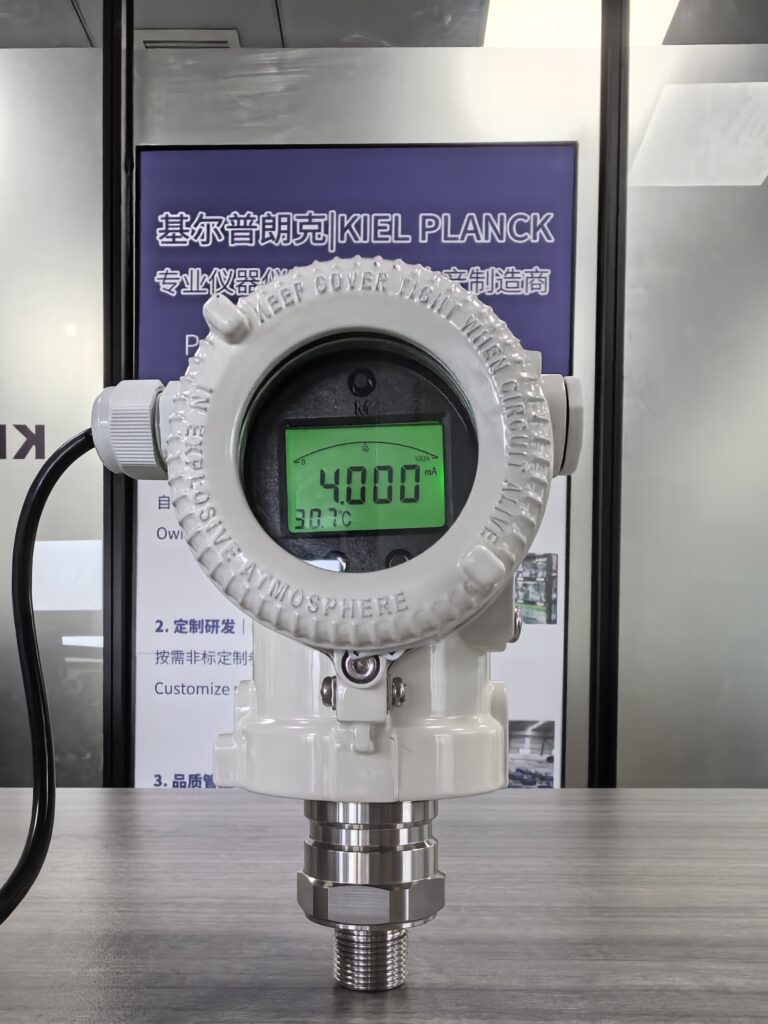
Pressure transmitters are commonly used to monitor pressure in pipelines, tanks, pumps, and process equipment.
When comparing suppliers, check:
Reference accuracy
Measuring range and turndown
Temperature effects
Long-term stability
Process connection and wetted materials
Output signal and communication
For routine process monitoring, a local alternative may be suitable when it meets the required specifications and provides reliable documentation and support.
2. Differential Pressure Measurement
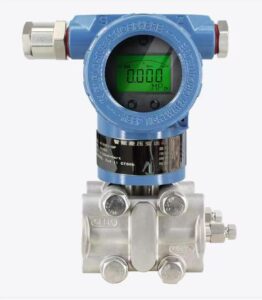
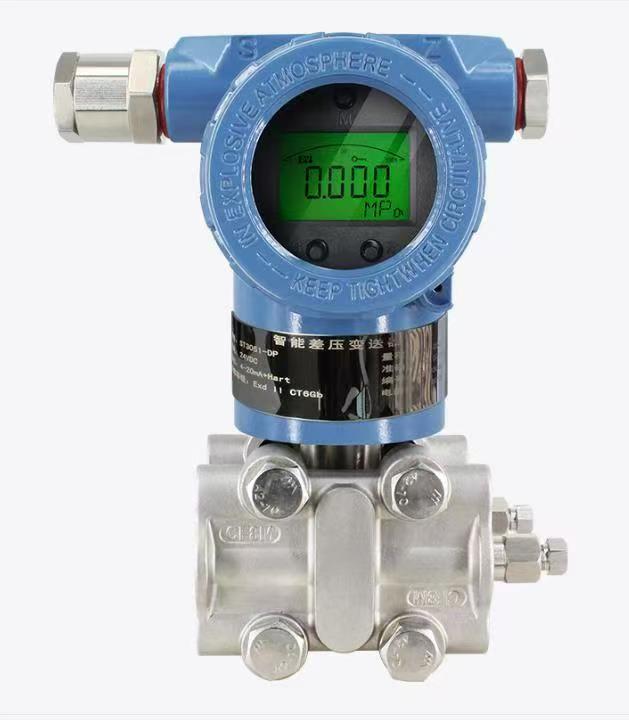
Differential pressure transmitters are used in filter monitoring, flow measurement, closed-tank level measurement, and other applications.
Important criteria include calibrated differential range, static line pressure, one-sided overpressure limits, static pressure effects, and installation requirements.
Buyers should verify both the differential measurement range and the maximum allowable pressure. These are different parameters.
3. High-Pressure Equipment
High-pressure applications may include hydraulic systems, compressors, and other equipment designed for elevated pressure.
The comparison should focus on:
Maximum allowable working pressure
Overpressure and pressure-cycle performance
Wetted materials and sealing
Vibration and shock requirements
Temperature limits
Relevant safety approvals
A model should not be selected solely because its brochure lists a high pressure range. Verify the allowable operating pressure and relevant test conditions.
4. Temperature-Variable Industrial Processes
Industrial installations may experience changes in ambient or process temperature. These changes can influence sensor output and overall measurement accuracy.
Ask suppliers to specify the compensated temperature range, zero and span temperature effects, and any conditions that affect the published accuracy.
If temperature stability is a key requirement, compare models using the same test procedure and reference instrument. A room-temperature calibration result does not prove equivalent performance across the full temperature range.
5. Long-Term Continuous Operation
In continuous processes, stability, maintenance access, and service response can be as important as initial accuracy.
Compare:
Long-term stability and its reference basis
Historical calibration data, where available
Recommended verification procedures
Warranty conditions
Spare-parts availability
Technical support and delivery arrangements
A lower purchase price may be attractive, but the full cost of ownership also includes installation, calibration, maintenance, and downtime.
6. A Fair Local-versus-International Comparison
Use the same evaluation framework for every shortlisted product.
| Evaluation item | Evidence required |
|---|---|
| Accuracy | Same definition and comparable test conditions |
| Stability | Same time period and reference basis |
| Overload | Model-specific rated limits and test method |
| Temperature effects | Comparable temperature range and test conditions |
| Materials | Verified diaphragm, process connection, and seal specifications |
| Certification | Valid documents covering the exact model |
| Service | Written warranty, support scope, and delivery terms |
| Cost | Comparable configuration and total ownership cost |
If one product has a higher initial accuracy specification but another has stronger service support or a better lifecycle cost, the right choice depends on the application’s priorities.
7. How to Verify Supplier Claims
Before concluding that a local alternative matches an established product, ask for:
A complete datasheet for the exact model
Calibration and test records relevant to the application
Details of accuracy, stability, temperature effects, and overload limits
Applicable certificates and model coverage
References or documented results from comparable operating conditions
A clear after-sales and warranty policy
For critical applications, consider a controlled acceptance test or a trial installation with agreed measurement criteria.
Frequently Asked Questions
Are Chinese pressure transmitters suitable for international industrial projects?
Some models may be suitable, provided they meet the project’s technical, quality, documentation, and compliance requirements. Evaluate the exact model rather than making assumptions based on country of origin.
Have local products fully matched every international brand?
That cannot be established as a universal claim. Performance varies by product category, model, specification, and application.
What matters most when choosing a local supplier?
Start with application compatibility and verified performance. Then assess documentation, delivery, technical support, warranty, and total ownership cost.
Conclusion
Local pressure transmitters can be evaluated fairly through application-specific comparisons rather than broad claims about country of origin. General process measurement, differential pressure, high-pressure equipment, temperature-variable processes, and continuous operation are five useful areas to assess. Buyers should make final decisions using verified model specifications, documented tests, and the actual requirements of the installation.
Scan the QR code to receive more detailed information.