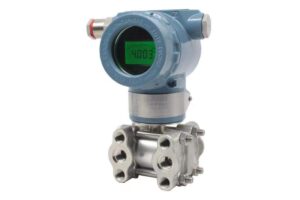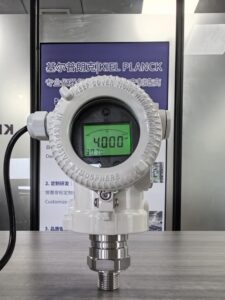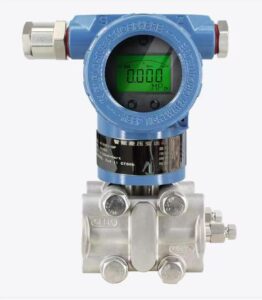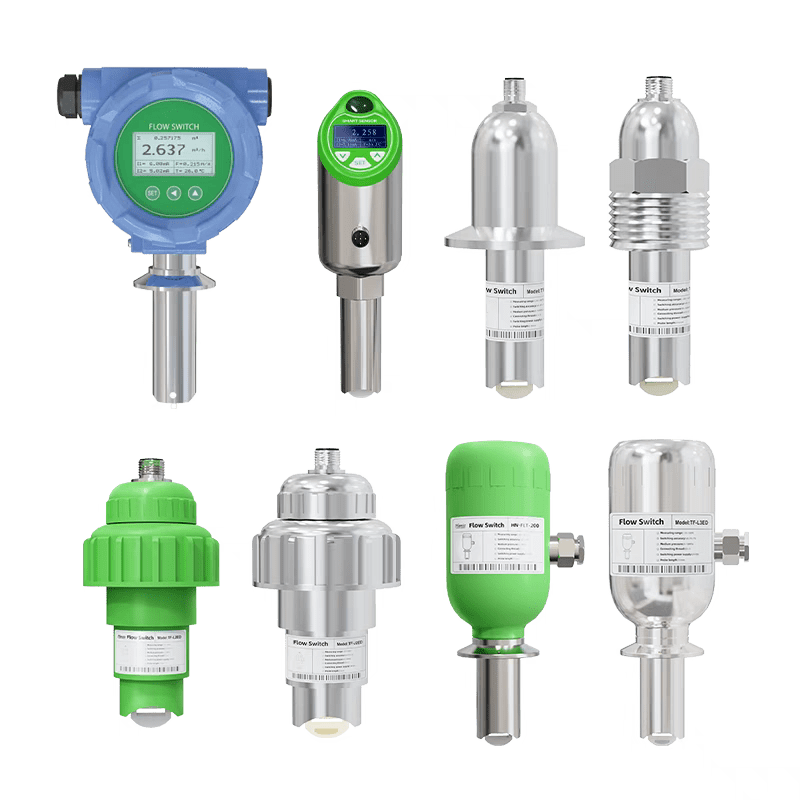
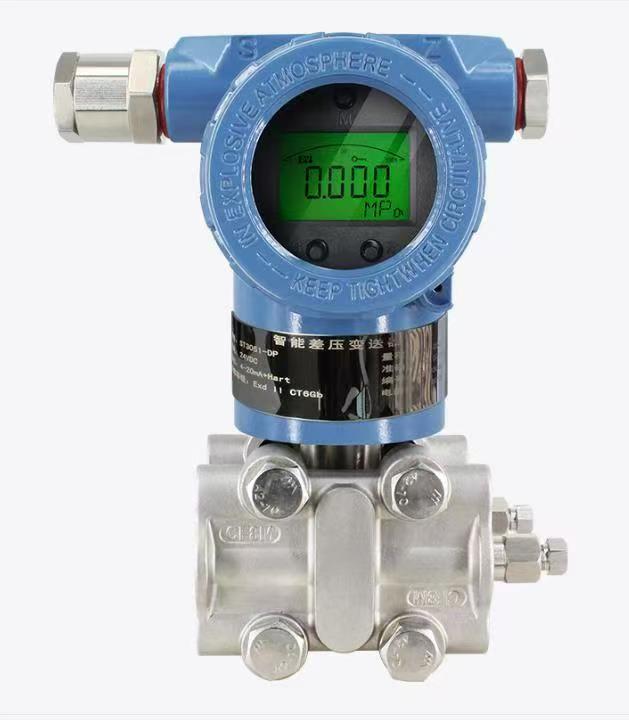
Differential pressure transmitters measure the pressure difference between two points. They are used in applications such as filter monitoring, flow measurement, tank level measurement, and process control.
For demanding industrial environments, buyers may look for a transmitter with dual-side overload protection and a high ingress protection rating. These features address different risks and should be verified separately.
1. What Is Dual-Side Overload Protection?
A differential pressure transmitter has high-pressure and low-pressure ports. Depending on the process and installation, one side may experience pressure that differs substantially from the other.
Dual-side overload protection generally refers to protection against specified overload conditions applied to either pressure side. However, the term may be used differently by different manufacturers.
Before purchasing, confirm:
The maximum allowable pressure at each port
The permitted differential pressure
The allowable static line pressure
Whether one-sided overload is covered
Whether the specification applies to a single event or repeated cycles
The permitted measurement shift after the test, if specified
Do not interpret a dual-side protection claim as unlimited protection against pressure surges. Always follow the exact model’s technical limits.
2. Why IP Protection Matters
An ingress protection rating describes protection against access to hazardous parts and the entry of solid foreign objects and water under specified test conditions.
For example, an IP67 rating generally indicates dust-tight protection and protection against temporary immersion under the conditions defined by the relevant test standard. It does not automatically prove resistance to every chemical, high-pressure water jet, or prolonged immersion condition.
When reviewing a transmitter, check the rating for the complete assembled configuration, including the housing, cable entry, connector, and installed accessories.
A high IP rating cannot compensate for unsuitable process materials or an incorrect pressure rating.
3. Other Important Selection Parameters
Overload protection and enclosure protection are only part of the specification.
Accuracy: Check the reference accuracy, its calculation basis, and temperature effects.
Static pressure: For differential pressure measurement, verify the permitted line pressure and the effect of static pressure on the reading.
Wetted materials: Confirm the diaphragm, process connections, seals, and compatibility with the measured medium.
Electrical output: Select the required output and communication method, such as 4–20 mA or a supported digital protocol.
Environment: Consider vibration, ambient temperature, condensation, installation location, and cable routing.
Documentation: Request datasheets, applicable certificates, calibration information, and installation instructions.
4. How to Evaluate a Product Claim
If a supplier advertises “dual overload protection” and “high IP protection,” ask for evidence covering the exact model.
| Item | What to verify |
|---|---|
| Dual-side overload | Definition, rated pressure, test method |
| Static pressure | Maximum allowable line pressure |
| Differential range | Minimum and maximum calibrated span |
| IP rating | Exact rating and applicable configuration |
| Accuracy | Definition, conditions, and temperature effects |
| Materials | Diaphragm, seals, and process connections |
| Certifications | Exact model coverage and validity |
If a product is described as tested, request the relevant test record or report. Avoid relying only on a general brochure statement.
5. Common Applications
Differential pressure transmitters may be used for:
Monitoring pressure drop across filters
Measuring flow through a suitable primary element
Measuring liquid level in compatible closed tanks
Monitoring pressure differences in process equipment
Tracking ventilation or cleanroom pressure differences
Each application requires a different range and installation arrangement. For example, low differential pressure combined with high static line pressure may impose different requirements from a simple low-pressure filter application.
Frequently Asked Questions
Does a high IP rating mean the transmitter can withstand high process pressure?
No. IP protection concerns the enclosure’s ingress protection. Process pressure and overload limits are separate specifications.
Does dual-side overload protection mean both ports can be exposed to any pressure?
No. The permitted conditions and limits are model-specific.
Can one differential pressure transmitter measure flow, level, and filter pressure drop?
The same product family may support these applications, but range, connections, installation, and configuration must be suitable for each measurement.
Conclusion
When selecting a differential pressure transmitter, evaluate overload protection, static pressure limits, IP rating, accuracy, materials, and documentation together. A product is suitable only when its verified specifications match the installation and process conditions. Confirm every performance claim against the datasheet for the exact model before purchasing.
Scan the QR code to receive more detailed information.