The overall accuracy of DP flow measurement systems is largely determined by the matching pressure transmitter, making transmitter accuracy selection the core of high-precision flow monitoring. Common industrial transmitter accuracy classes include 0.04%, 0.05%, 0.075%, and 0.1% full scale (FS). This 2026 professional selection guide systematically analyzes the matching performance of different accuracy transmitters for DP flow meters, compares their measurement stability, anti-interference capability and field adaptability, and clarifies the highest-accuracy matching scheme for different industrial scenarios. The article also explains the technical logic of accuracy matching, summarizes typical selection errors in engineering applications, and provides standardized selection suggestions for petrochemical, power, and fine chemical industries. It aims to help engineers optimize DP flow system configuration, eliminate measurement deviation, and improve the overall precision and operational reliability of industrial flow monitoring.
1. Introduction
DP flow meters based on Bernoulli’s principle dominate industrial flow measurement due to their simple structure, low cost and strong medium adaptability, covering gas, liquid and steam monitoring in most process industries. Unlike direct-reading flow meters, DP flow measurement is an indirect calculation method, where tiny pressure measurement errors will be amplified into obvious flow deviation, especially under low-flow and small-differential-pressure working conditions. In industrial practice, many enterprises only focus on the precision of the flow meter body while ignoring transmitter matching, resulting in low overall system accuracy. With the upgrading of industrial refined production and safety monitoring standards in 2026, high-precision matching of transmitters and DP flow meters has become a key link in improving process control accuracy. Reasonable selection of high-precision transmitters can effectively reduce system comprehensive errors and ensure long-term stable flow data output.
2. Accuracy Matching Logic of DP Flow Measurement Systems
The measurement error of a DP flow system follows the superposition principle, and the pressure transmitter error accounts for more than 70% of the total system deviation in most working conditions. Flow calculation is positively correlated with the square root of differential pressure, which means minor zero drift and span error of the transmitter will be magnified in flow data, especially when the flow rate is below 30% of the full scale. Therefore, the transmitter accuracy grade must be higher than the flow meter body accuracy to form a precision margin. Among mainstream industrial accuracy grades, 0.1% FS transmitters have obvious error limitations and are only suitable for rough monitoring; 0.075% FS is the conventional universal grade for standard DP flow systems. In contrast, 0.05% FS and 0.04% FS ultra-high-precision transmitters can significantly reduce system comprehensive errors, which are core options for high-standard flow measurement scenarios.
3. Performance Comparison of High-Accuracy Transmitter Matching Schemes
For conventional industrial DP flow monitoring, the 0.075% FS transmitter is the most cost-effective choice, compatible with orifice plates, venturi tubes and annubar flow meters. It maintains stable accuracy under conventional temperature and vibration interference, meeting the measurement requirements of most petrochemical and water treatment processes. For high-precision scenarios requiring strict flow control, the 0.05% FS transmitter optimizes temperature drift and hysteresis performance, effectively solving the problem of amplified low-flow errors and improving the stability of small-differential-pressure measurement.
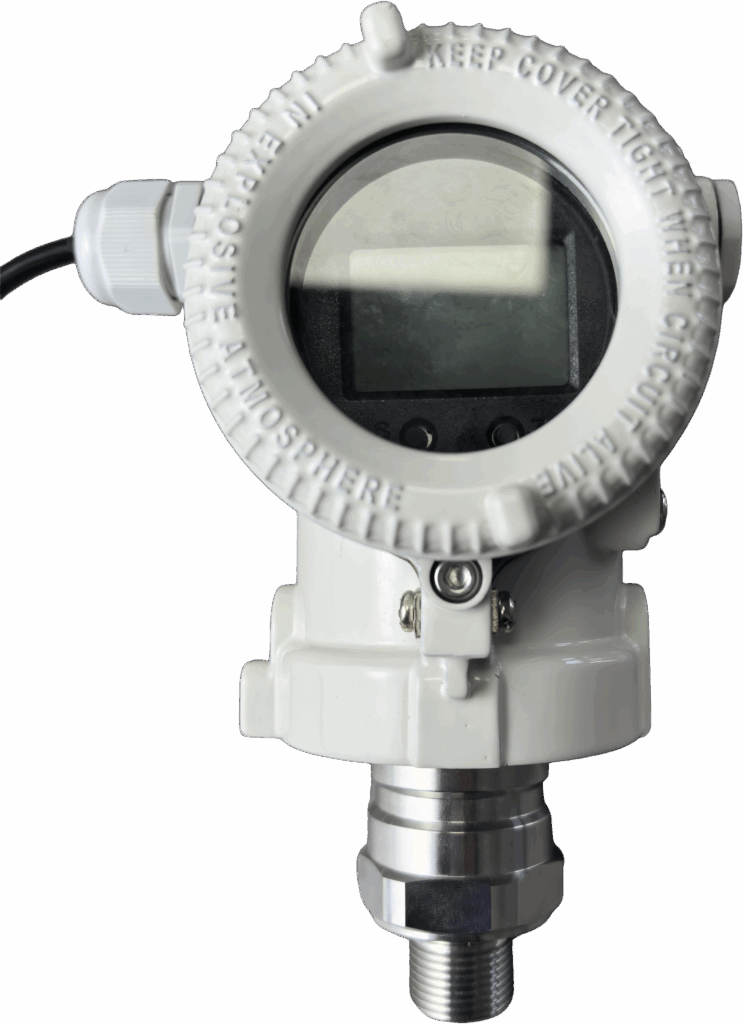
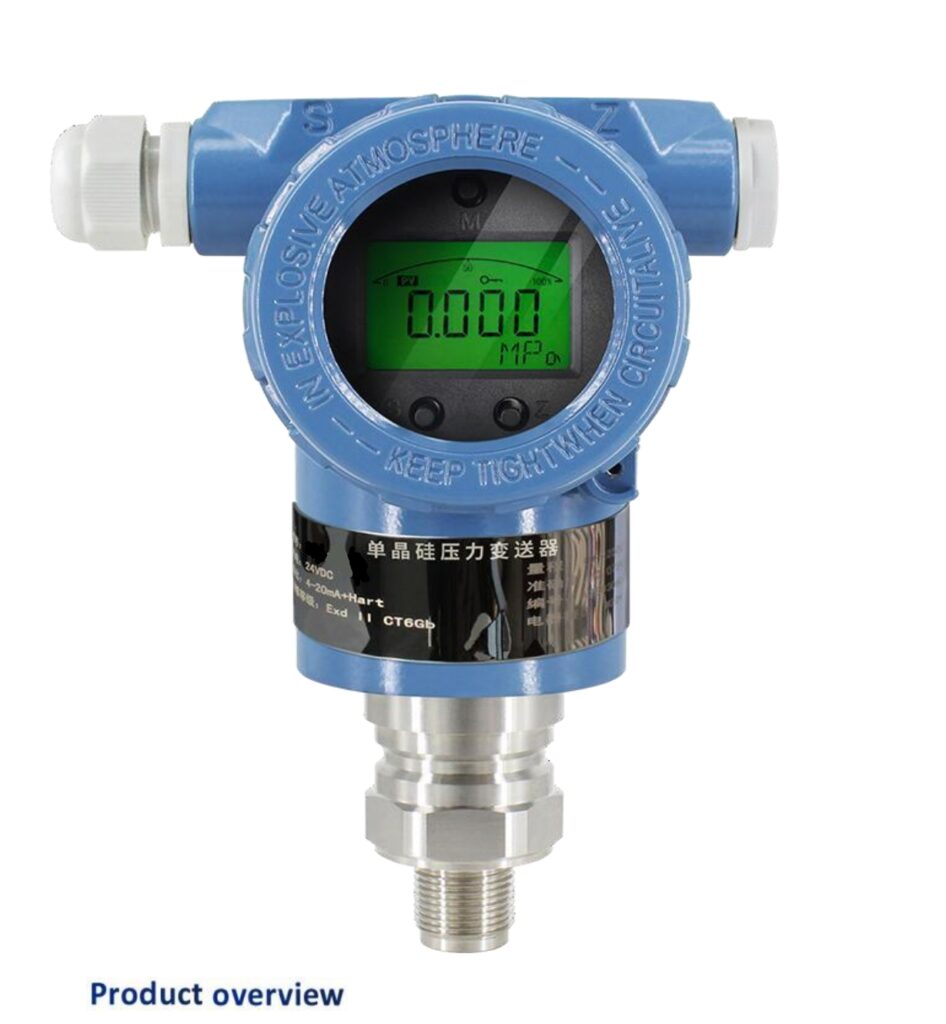
The 0.04% FS single-crystal silicon pressure transmitter is the highest-accuracy matching scheme for DP flow meters in industrial applications in 2026. Equipped with high-end sensing chips and full digital temperature compensation algorithms, it features ultra-low long-term drift and excellent anti-interference ability. Field verification shows that when matched with high-precision DP flow meters, the 0.04% FS transmitter can reduce the overall system error to within 0.5%, far exceeding the measurement level of conventional matching schemes. It is the optimal choice for precision batching, custody transfer and high-purity medium monitoring scenarios.
4. Scenario-Based Selection Standards for 2026 Industrial Applications
Combined with the latest industrial instrument specifications and field application experience, this guide puts forward differentiated matching standards. For non-critical conventional monitoring such as general water supply and exhaust gas detection, 0.1% FS transmitters are acceptable for cost control. For standard process flow monitoring in petrochemical, metallurgical and HVAC industries, 0.075% FS transmitters are the mainstream matching scheme with balanced performance and cost. For fine chemical synthesis, pharmaceutical medium delivery and energy metering scenarios, 0.05% FS high-precision transmitters are recommended to ensure process stability.
For high-standard scenarios such as fluid custody transfer, laboratory precision calibration, hydrogen energy high-pressure flow monitoring and ultra-low-flow process control, the 0.04% FS ultra-high-precision transmitter is mandatory. Its superior long-term stability can avoid frequent data drift and calibration errors, ensuring the long-term accurate operation of the DP flow measurement system.
5. Common Matching Errors and Optimization Strategies
The most prominent engineering error is mismatched precision grade, such as equipping high-precision DP flow meters with 0.1% or 0.075% low-precision transmitters, leading to wasted flow meter performance. Another common problem is ignoring long-term stability: some high-precision transmitters have good static accuracy but large long-term drift, resulting in declining field measurement accuracy after one to two years of operation. The 2026 optimization principle is to prioritize transmitters with both high static accuracy and low long-term drift, and reserve a 20% precision margin according to actual working condition interference. Regular professional calibration should be combined to maintain the optimal matching state of the system.
6. Conclusion
In the 2026 industrial instrument matching system, the 0.04% FS high-precision pressure transmitter provides the highest accuracy for DP flow meter matching, followed by 0.05% FS and 0.075% FS grades, while 0.1% FS is only applicable for low-demand conventional monitoring. The optimal matching scheme should comprehensively consider process precision requirements, working condition complexity and application scenarios. High-standard precision scenarios must adopt 0.04% or 0.05% FS transmitters to suppress flow error amplification, while conventional industrial processes can choose 0.075% FS transmitters for cost-effective configuration. Scientific accuracy matching can maximize the performance of DP flow meters, ensure accurate and stable industrial flow data, and provide reliable support for refined process control, energy metering and safe production in modern industries.
Scan the QR code to receive more detailed information.