

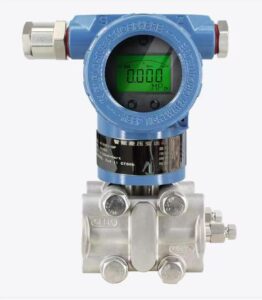
Vacuum furnace gas quenching may involve evacuation to a low absolute pressure followed by gas backfilling to a much higher pressure.
For example, a process may extend from approximately 10 Pa to 2 bar.
This is a very wide measurement span, and one instrument may not provide suitable accuracy across the entire range.
1. Different Pressure Ranges Require Different Instruments
At low pressure, the furnace may require a dedicated vacuum gauge.
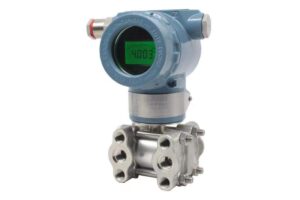
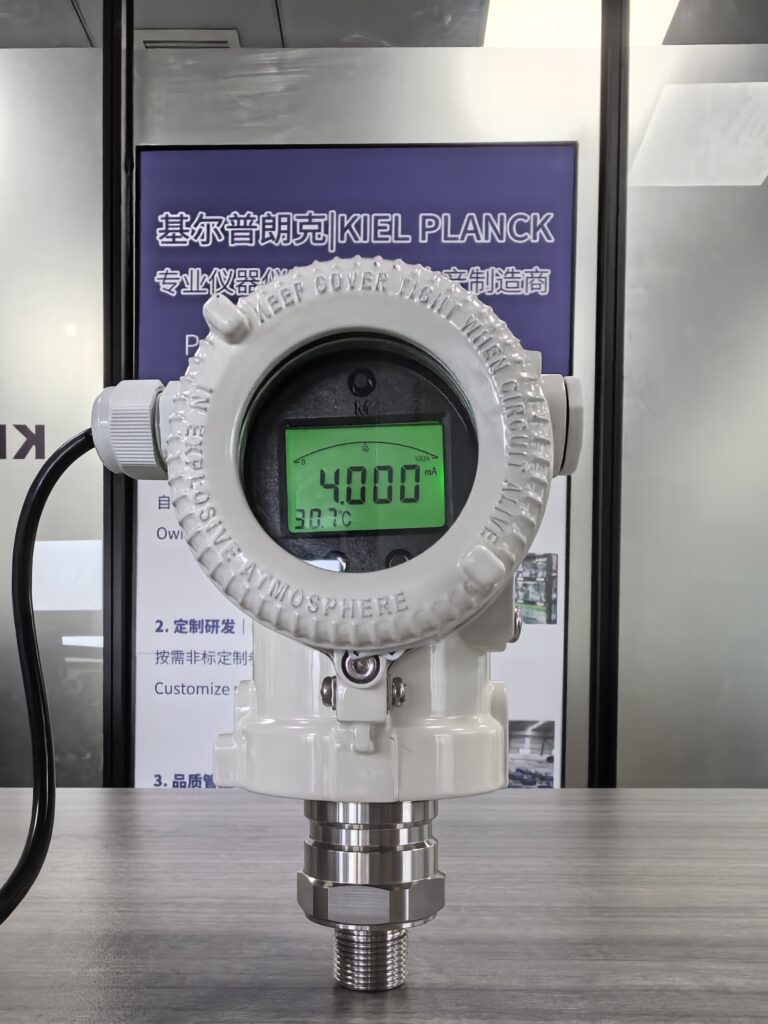
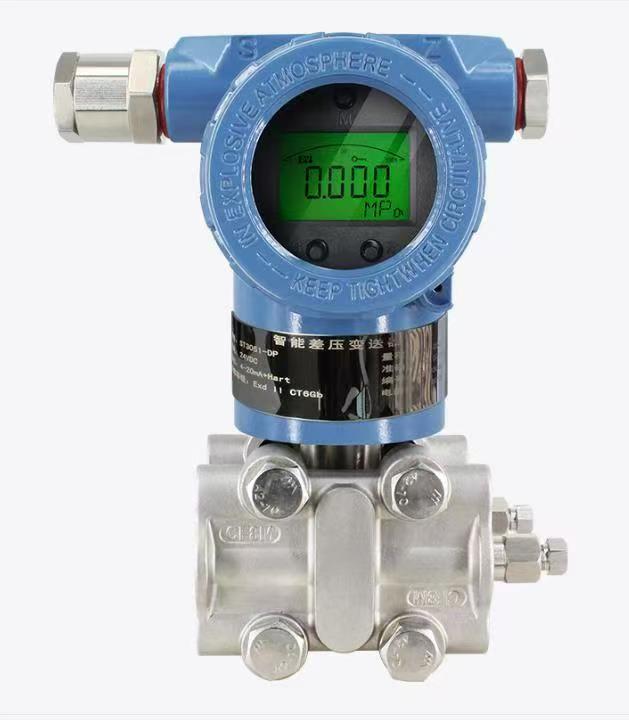
During gas backfilling, the pressure rises significantly and may require a separate pressure transmitter or pressure sensor designed for the higher range.
2. Why One Instrument May Be Unsuitable
A single instrument covering the entire range may face trade-offs in:
Resolution at low pressure
Accuracy across the full range
Overpressure capability
Response characteristics
Calibration requirements
A wide nominal range does not guarantee accurate measurement at every point.
3. A Practical Measurement Arrangement
A system may use:
A vacuum gauge for evacuation and low-pressure monitoring
A higher-range absolute pressure instrument for gas backfilling
A separate pressure switch or transmitter for high-pressure alarms, where required
The exact arrangement depends on the furnace design and process control strategy.
4. Important Selection Details
Confirm:
Whether the specified pressure is absolute or gauge
Minimum and maximum process pressure
Required accuracy at each stage
Gas type
Sensor overpressure limit
Isolation valve and protection arrangement
Signal compatibility with the control system
Conclusion
For a vacuum furnace operating from 10 Pa to 2 bar, using multiple measurement technologies is often more practical than relying on one instrument.
Separate instruments can be optimized for low-pressure vacuum measurement and higher-pressure gas quenching.
Scan the QR code to receive more detailed information.