Vacuum heat treatment furnaces may operate across different pressure ranges during evacuation, heating, and gas filling.
No single instrument technology is ideal for every pressure range.
Pirani gauges, capacitance diaphragm gauges, and industrial pressure transmitters each have different characteristics.
1. Pirani Gauge
A Pirani gauge estimates pressure by measuring heat transfer from a heated element to the surrounding gas.
It is commonly used for rough and medium vacuum monitoring.
Its reading depends on gas thermal conductivity, so gas composition should be considered.
2. Capacitance Diaphragm Gauge
A capacitance diaphragm gauge measures diaphragm deflection caused by pressure.
Its measurement is largely independent of gas type and can provide better accuracy in its specified range.
It is useful when accurate absolute pressure measurement is required.
Different full-scale models are needed for different pressure ranges.
3. Industrial Pressure Transmitter
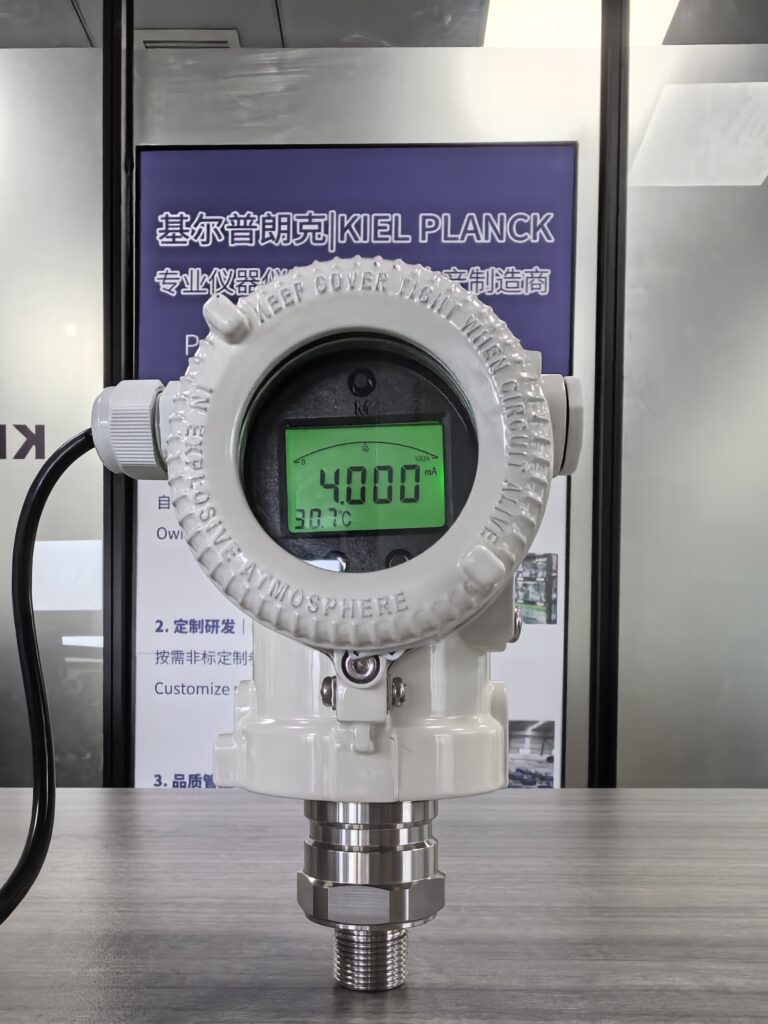
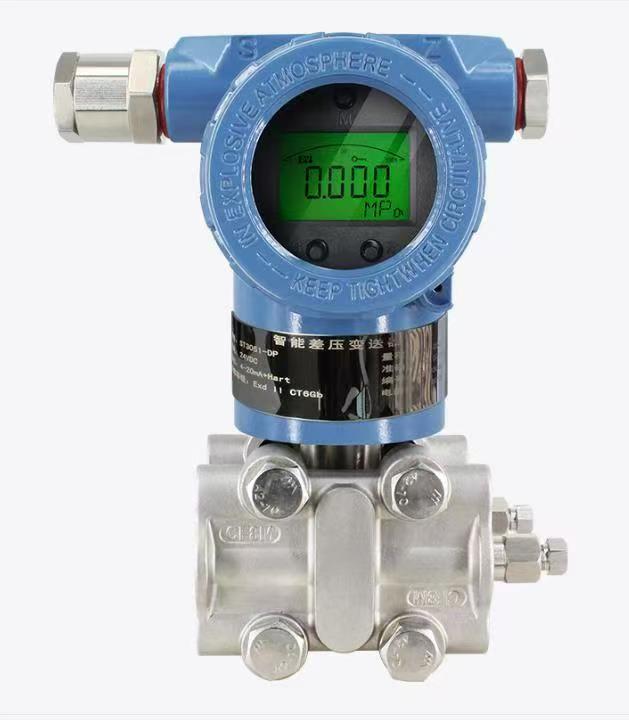
A conventional industrial pressure transmitter can be used for higher-pressure gas systems, furnace gas supply, or other pressure monitoring points within its specified range.
It should not automatically be treated as a replacement for a dedicated vacuum gauge.
4. How to Combine the Instruments
| Instrument | Typical Role |
|---|
| Pirani gauge | Rough and medium vacuum monitoring |
| Capacitance diaphragm gauge | Accurate absolute pressure measurement |
| Industrial pressure transmitter | Higher-pressure gas and utility monitoring |
The actual combination depends on the furnace’s pressure profile and control requirements.
Conclusion
Pirani gauges, capacitance diaphragm gauges, and industrial pressure transmitters serve different measurement purposes.
Choose each instrument according to its measurement range, accuracy, gas compatibility, and process role.