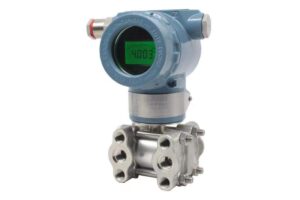
Vacuum sintering furnaces require stable pressure measurement during evacuation, heating, and atmosphere control.
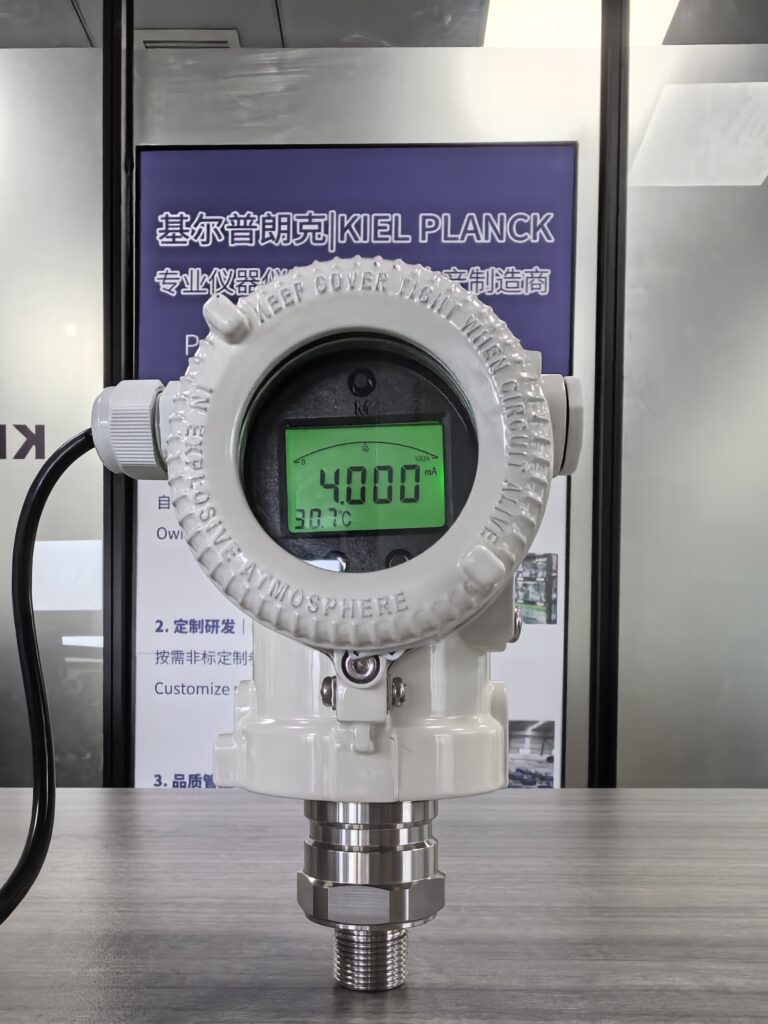
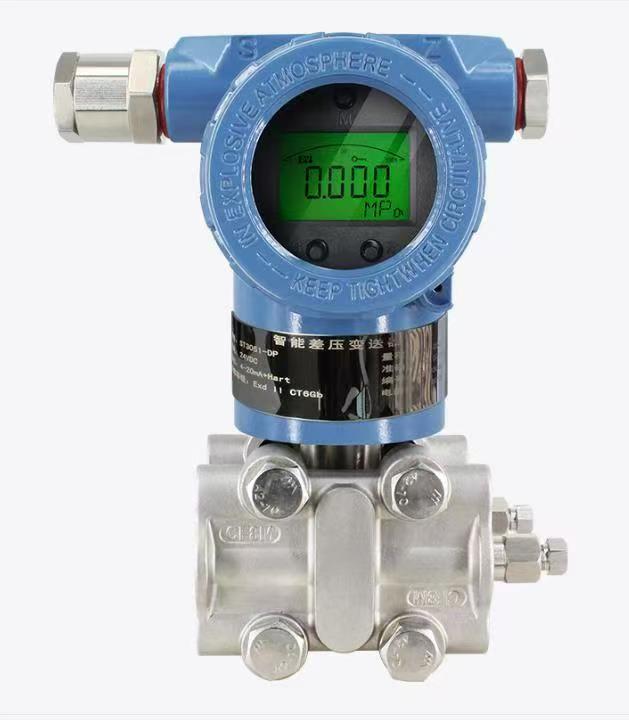
A pressure transmitter with 0.1% accuracy may be considered for certain pressure monitoring points, but this specification should not be applied to every vacuum range.
1. Understand the Measurement Range
First identify whether the measurement point is used for:
A conventional industrial pressure transmitter may be suitable for higher-pressure gas monitoring, but a dedicated vacuum gauge may be more appropriate for low absolute pressure measurement.
2. What Does 0.1% Accuracy Mean?
The manufacturer must specify whether accuracy is based on calibrated span, full scale, or another defined method.
A 0.1% specification cannot be compared directly with another product unless the reference basis and test conditions are clear.
3. Why Stability Matters
Furnace pressure may change during heating and cooling.
Long-term stability, temperature effects, repeatability, and installation conditions can all influence measurement performance.
A high accuracy specification alone does not guarantee reliable process control.
4. Is 0.1% Always Necessary?
No. The required accuracy depends on the control tolerance and the role of the measurement point.
For critical pressure monitoring, 0.1% may be a useful selection target if the instrument can maintain the required performance under actual conditions.
For low-vacuum or high-vacuum measurement, choose a suitable vacuum gauge technology rather than assuming a standard pressure transmitter is appropriate.
Conclusion
A 0.1% pressure transmitter can be a reasonable choice for certain furnace pressure applications.
However, first confirm the pressure range, measurement principle, accuracy definition, and long-term stability.