Their operating performance and measurement reliability directly determine the timeliness and accuracy of safety interlock actions. Inferior or mismatched transmitters will cause interlock failure, false triggering or delayed response, bringing severe safety hazards to hydrogenation production. This paper elaborates on the core safety role of pressure transmitters in hydrogenation unit interlocking protection, analyzes the functional requirements of transmitters for interlock scenarios, and summarizes the key technical and performance verification points in equipment procurement. The study aims to provide standardized procurement guidelines and safety operation references for hydrogenation device instrumentation, ensuring the stable and reliable operation of safety interlocking systems in petrochemical hydrogenation units.
1. Introduction
Hydrogenation units are widely used in heavy oil modification, clean fuel upgrading and chemical hydrogenation synthesis, featuring long-term continuous operation, high hydrogen pressure and complex reaction environments. Safety interlocking protection is the ultimate guarantee for restraining abnormal working conditions and avoiding safety accidents during unit operation. Pressure is the most sensitive and critical interlock parameter of hydrogenation systems; abnormal pressure surge or continuous overpressure will easily cause pipeline rupture, hydrogen leakage and reactor overheating accidents. As the signal source of pressure interlocking logic, pressure transmitters convert physical pressure changes into standard electrical signals and transmit them to the DCS and safety instrumented system (SIS) to trigger emergency interlock actions such as pressure relief, feed cut-off and unit shutdown.
Different from ordinary monitoring transmitters, interlock-used pressure transmitters have higher requirements on stability, response speed and anti-interference performance. Unqualified procurement and incomplete verification often lead to interlock system failure in actual operation. Therefore, clarifying the safety role of interlock transmitters and standardizing procurement verification standards are essential for improving the intrinsic safety of hydrogenation units.
2. Core Role of Pressure Transmitters in Hydrogenation Interlocking Protection
Pressure transmitters undertake three core safety functions in hydrogenation unit interlocking protection. First, real-time abnormal pressure monitoring and signal feedback. They continuously collect pressure data of key nodes such as hydrogenation reactors, high-pressure separators and feeding pipelines, and capture instantaneous pressure surges and overpressure anomalies that cannot be identified by conventional monitoring equipment, providing real-time data basis for interlock judgment.
Second, accurate driving of safety interlock actions. When the system pressure exceeds the preset safety threshold, the high-precision signal output by the transmitter will immediately trigger the SIS interlock logic, realizing automatic emergency operations including cutting off hydrogen feed, opening pressure relief valves and stopping unit operation, which effectively avoids equipment overpressure damage and hydrogen explosion risks. Third, prevention of false interlock and missing interlock. High-stability transmitters can filter environmental interference signals and avoid false shutdown caused by data drift, while ensuring zero missing detection of dangerous pressure anomalies, balancing production stability and safety reliability.
3. Key Procurement and Verification Points for Interlock-Dedicated Pressure Transmitters
The procurement of pressure transmitters for hydrogenation interlock scenarios must focus on safety performance, environmental adaptability and functional reliability, with strict verification of core indicators. First, safety level certification verification. Interlock transmitters must meet SIL2 or above safety integrity level standards applicable to petrochemical high-risk units, and complete explosion-proof certification for hydrogen flammable environments to ensure stable operation in high-pressure and explosive hydrogen working conditions.
Second, hydrogen-resistant and high-stability performance verification. Different from ordinary monitoring transmitters, interlock models must adopt hydrogen embrittlement resistant materials such as high-purity 316L stainless steel or gold-plated diaphragms to prevent signal drift and failure caused by long-term hydrogen permeation. Procurement inspection needs to verify long-term stability indicators, requiring annual drift error not exceeding 0.05% to ensure long-term accurate signal output.
Third, dynamic response and anti-interference verification. Hydrogenation interlock systems require rapid response to instantaneous pressure changes. Procurement must verify the transmitter’s response time, which should be less than 100ms to meet emergency interlock action requirements. Meanwhile, it is necessary to inspect anti-vibration and high-temperature resistance performance to adapt to pipeline vibration and high-temperature radiation of hydrogenation units and avoid signal distortion.
Fourth, functional and compatibility verification. The transmitter’s signal output mode must be compatible with the SIS and DCS systems of hydrogenation units. In addition, it is necessary to verify the overpressure resistance and safety margin of the equipment, requiring a pressure range safety margin of 1.2 to 1.5 times the maximum working pressure to prevent equipment damage under extreme overpressure conditions.
4. Conclusion
Pressure transmitters are the key safety sensing equipment of hydrogenation unit interlocking protection systems, undertaking important functions of real-time pressure monitoring, abnormal signal feedback and emergency interlock driving, which directly affect the overall safety level of hydrogenation production. Different from conventional instrument procurement, interlock-dedicated pressure transmitters need focused verification on safety certification, hydrogen-resistant performance, dynamic response speed and system compatibility. Strict implementation of standardized procurement verification can effectively avoid interlock failure and false triggering risks caused by unqualified equipment, ensure the sensitive, accurate and reliable operation of hydrogenation safety interlocking systems, and provide solid guarantee for the safe, stable and continuous operation of high-risk petrochemical hydrogenation units.
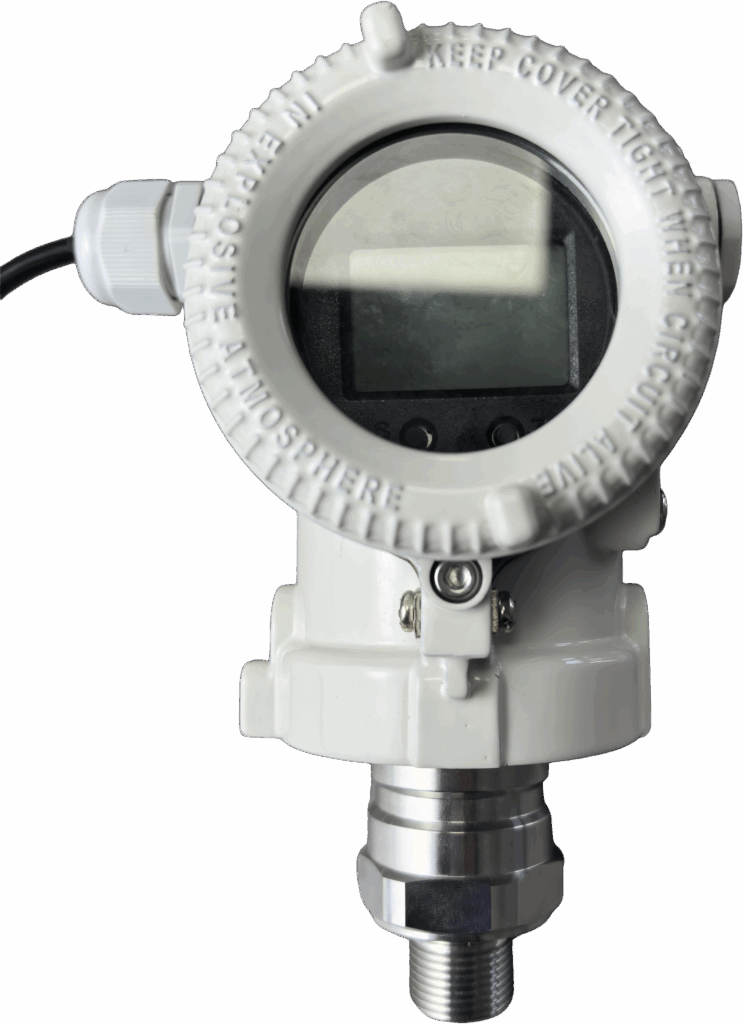
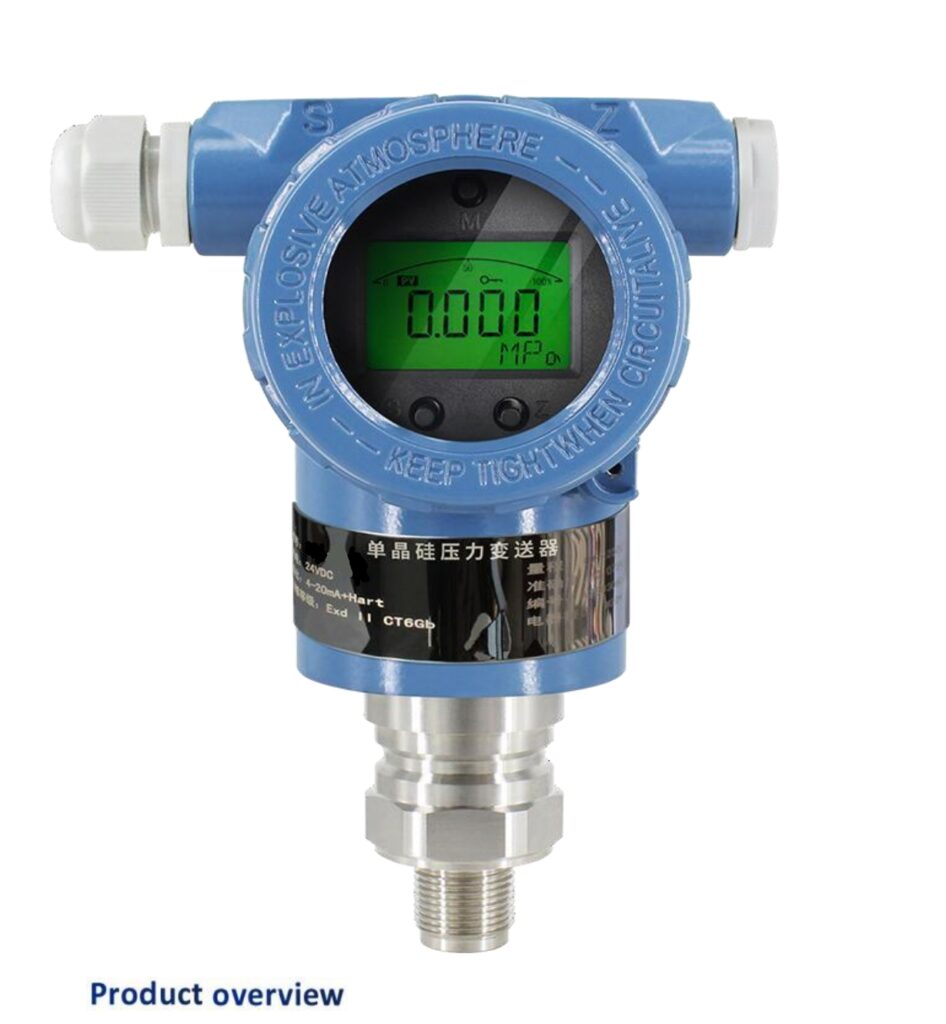
Scan the QR code to receive more detailed information.