Compared with ordinary industrial working conditions, high-pressure hydrogen environments cause more frequent and irreversible transmitter drift due to hydrogen embrittlement, pressure impact and thermal cycling effects. This paper systematically analyzes the main causes of pressure transmitter drift under high-pressure hydrogenation conditions, including material fatigue, environmental interference and improper model matching. Combined with actual production scenarios, it proposes targeted selection and optimization strategies to suppress drift. The research aims to provide effective technical guidance for reducing measurement drift, improving long-term operational stability of transmitters and ensuring the safe and efficient operation of high-pressure hydrogenation units.
1. Introduction
High-pressure hydrogenation technology is widely applied in diesel deep hydrogenation, residual oil hydrogenation and coal chemical hydrogenation processes, with operating pressure ranging from 10 MPa to 20 MPa and working temperature exceeding 400 ℃. As key sensing devices for real-time pressure monitoring and closed-loop control, pressure transmitters’ measurement accuracy directly determines the stability of hydrogenation reaction parameters and product quality. In long-term field operation, transmitter drift problems such as zero offset and data fluctuation frequently occur, even for qualified new instruments. Most drift failures are not caused by equipment quality defects, but by the mismatch between transmitter performance and harsh hydrogenation working conditions.
Transmitter drift will lead to incorrect DCS system feedback, resulting in unreasonable adjustment of hydrogen supply pressure and reaction temperature, reducing hydrogenation conversion efficiency and causing frequent equipment calibration and shutdown maintenance. Therefore, analyzing the drift mechanism and formulating scientific selection strategies are crucial to improving the reliability of pressure measurement in high-pressure hydrogenation units.
2. Main Causes of Transmitter Drift under High-Pressure Hydrogenation Conditions
The drift of pressure transmitters in high-pressure hydrogenation environments is mainly induced by three key factors. First, hydrogen embrittlement and material structural drift. High-pressure hydrogen molecules penetrate the sensor diaphragm and internal elastic elements, causing micro-structural deformation and material fatigue. Ordinary stainless steel materials are prone to hydrogen embrittlement, leading to irreversible zero drift after long-term hydrogen exposure.
Second, superposition of thermal and pressure cycle stress. Hydrogenation units frequently experience startup-shutdown thermal cycles and instantaneous pressure surges during feeding and reaction switching. Repeated stress impact causes elastic fatigue of sensor components, resulting in gradual span drift and unstable measurement data. Third, environmental interference and improper application. High-temperature vibration, medium corrosion and unreasonable installation stress will further amplify drift errors, while conventional transmitters without hydrogen-resistant calibration algorithms cannot eliminate hydrogen-induced measurement deviation.
3. Targeted Selection Strategies for Drift Suppression
To restrain transmitter drift fundamentally, differential selection strategies must be adopted based on hydrogenation working conditions. Firstly, optimize sensing material selection. For high-pressure hydrogenation scenarios, high-purity low-carbon 316L stainless steel or gold-plated diaphragm transmitters must be selected to enhance hydrogen permeation resistance and avoid structural drift caused by hydrogen embrittlement. Ordinary cast iron and common alloy materials are strictly prohibited for core measuring components.
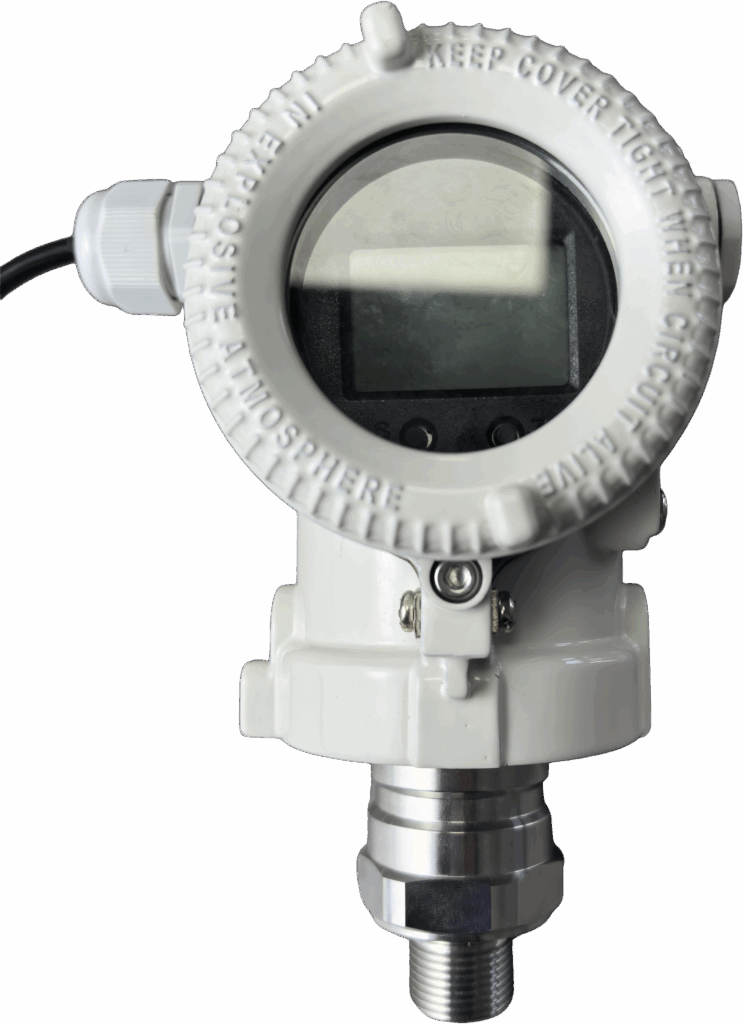
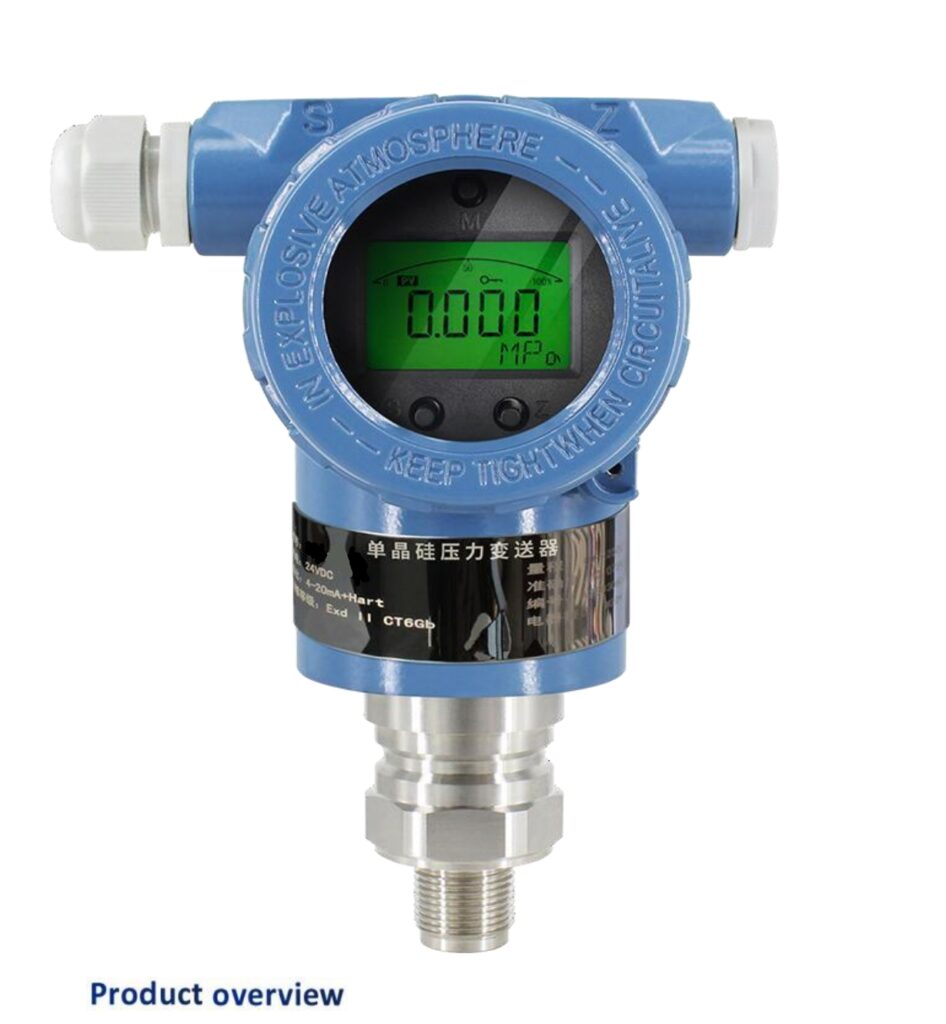
Secondly, prioritize high-stability intelligent transmitters with anti-drift algorithms. Professional hydrogenation dedicated transmitters are built with temperature drift compensation and pressure impact filtering functions, which can automatically offset thermal cycle errors and instantaneous pressure fluctuation interference. It is necessary to select products with long-term stability parameters of less than 0.05% annual drift to adapt to 24-hour continuous operation of hydrogenation units.
Thirdly, match reasonable pressure range and structural type. A safety margin of 1.2 to 1.5 times the maximum working pressure should be reserved to avoid long-term overload operation-induced fatigue drift. For slurry-containing hydrogenation media, anti-blocking and buffer-structured transmitters are selected to prevent local stress concentration and probe contamination drift. In addition, all selected transmitters need to meet petrochemical explosion-proof and high-temperature resistance standards to reduce environmental interference drift.
4. Auxiliary Optimization Measures
Reasonable selection should be matched with standardized application to further control drift. Installers should avoid forced torsion and extrusion during installation to eliminate residual mechanical stress. Regular zero-point calibration and drift detection should be carried out for key process transmitters, and data deviation should be corrected timely. Meanwhile, real-time drift monitoring through DCS system data analysis can realize early warning of abnormal drift and prevent measurement failure.
5. Conclusion
Pressure transmitter drift under high-pressure hydrogenation conditions is mainly caused by hydrogen embrittlement material deformation, thermal-pressure cycle fatigue and environmental interference, which seriously affects the accuracy and stability of hydrogenation process monitoring. Adopting scientific selection strategies is the core solution to suppress drift. Selecting hydrogen-resistant high-stability materials, intelligent anti-drift transmitters and reasonably matched structural models can fundamentally reduce the occurrence of measurement drift. Combined with standardized installation and regular calibration maintenance, it can effectively improve the long-term operational reliability of transmitters, reduce maintenance costs and operational risks, and provide accurate and stable data support for the safe, stable and high-efficiency operation of high-pressure hydrogenation units in petrochemical industry.
Scan the QR code to receive more detailed information.