Application Fields of Capacitive Level Gauges
Capacitive level gauges measure liquid/solid material levels based on the capacitance change between electrodes and media, featuring simple structure, wide adaptability, high temperature/pressure resistance, and strong anti-corrosion performance. Their main application industries are as follows:
1. Petrochemical Industry
- Crude oil storage tanks, diesel/gasoline fuel tanks, chemical solvent storage vessels
- Reaction kettles, distillation towers, oil-water separation tanks
- Media: crude oil, gasoline, kerosene, benzene, alcohol, various corrosive chemical liquids, sludge
- Advantages: withstand high pressure, adapt to flammable and explosive environments with intrinsically safe explosion-proof types
2. Water Treatment & Environmental Protection
- Sewage treatment pools, raw water tanks, dosing tanks for flocculants/acid-base reagents
- Sludge silos, underground wastewater pits, chemical neutralization tanks
- Media: industrial wastewater, sewage, mud, strong acid/alkali water solutions
- Advantages: corrosion-resistant probes, unaffected by foam and floating impurities
3. Food & Beverage Processing
- Fermentation tanks for wine, beer, soy sauce
- Edible oil storage tanks, syrup mixing tanks, dairy processing containers
- Grain powder silos (flour, starch, milk powder)
- Media: edible liquids, viscous pastes, granular/powdery food raw materials
- Advantages: hygienic stainless steel probes, easy cleaning, no dead corners
4. Pharmaceutical Industry
- Drug reaction vessels, liquid medicine storage tanks, solvent recovery tanks
- Powder raw material hoppers for tablet/capsule production
- Media: pharmaceutical solvents, high-purity liquid medicines, medicinal powder
- Advantages: meet sanitary standards, resistant to disinfectants, stable measurement for low-viscosity pure liquids
5. Metallurgy & Mining
- Ore powder silos, mineral slurry pools, cooling water tanks for smelting furnaces
- Concentrate storage bins, acid pickling tanks for metal surface treatment
- Media: mineral slurry, metal powder, strong pickling acid, high-temperature cooling water
- Advantages: anti-abrasion and anti-corrosion probes, adapt to high-dust solid materials
6. Power Industry (Thermal & New Energy)
- Boiler water drums, condensate tanks, chemical dosing tanks for power plant water systems
- Lithium battery slurry mixing tanks, electrolyte storage tanks in new energy factories
- Media: boiler feed water, chemical water treatment agents, lithium battery electrolyte
- Advantages: high temperature resistance, stable measurement under high working pressure
7. Building Materials
- Cement powder silos, lime powder bins, ceramic glaze liquid tanks
- Glass raw material powder storage tanks
- Media: cement powder, limestone powder, glaze slurry
- Advantages: not affected by dust, material bridging and adhesion have little impact on measurement
8. Other Special Scenarios
- Refrigeration industry: Liquid ammonia, liquid nitrogen refrigerant storage tanks
- Coating industry: Paint, glue, resin storage tanks (viscous media)
- Agriculture: Liquid fertilizer tanks, grain granular material silos
Core applicable media summary
- Liquids: water, oil, solvents, acid/alkali corrosive liquids, viscous slurries, refrigerants
- Solids/powders: flour, cement, ore powder, grain, medicinal powder, plastic particles
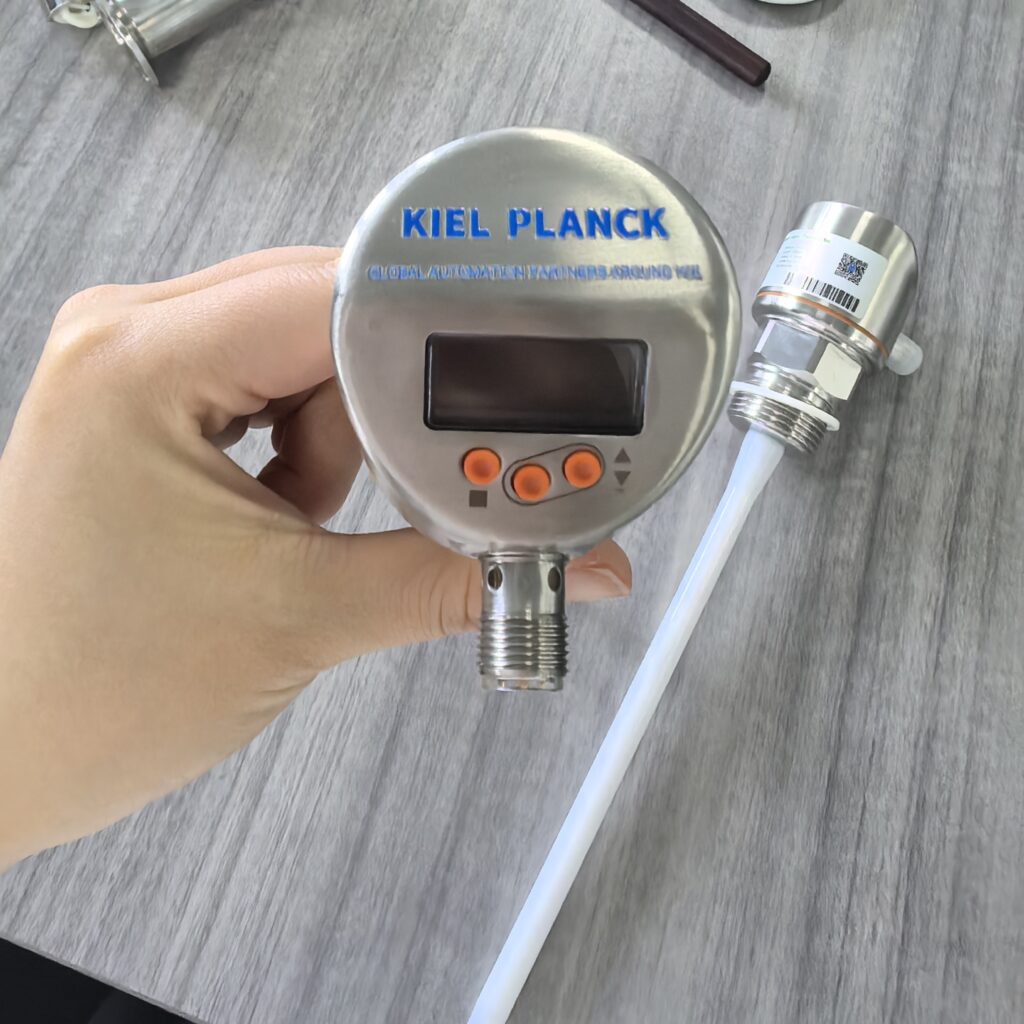
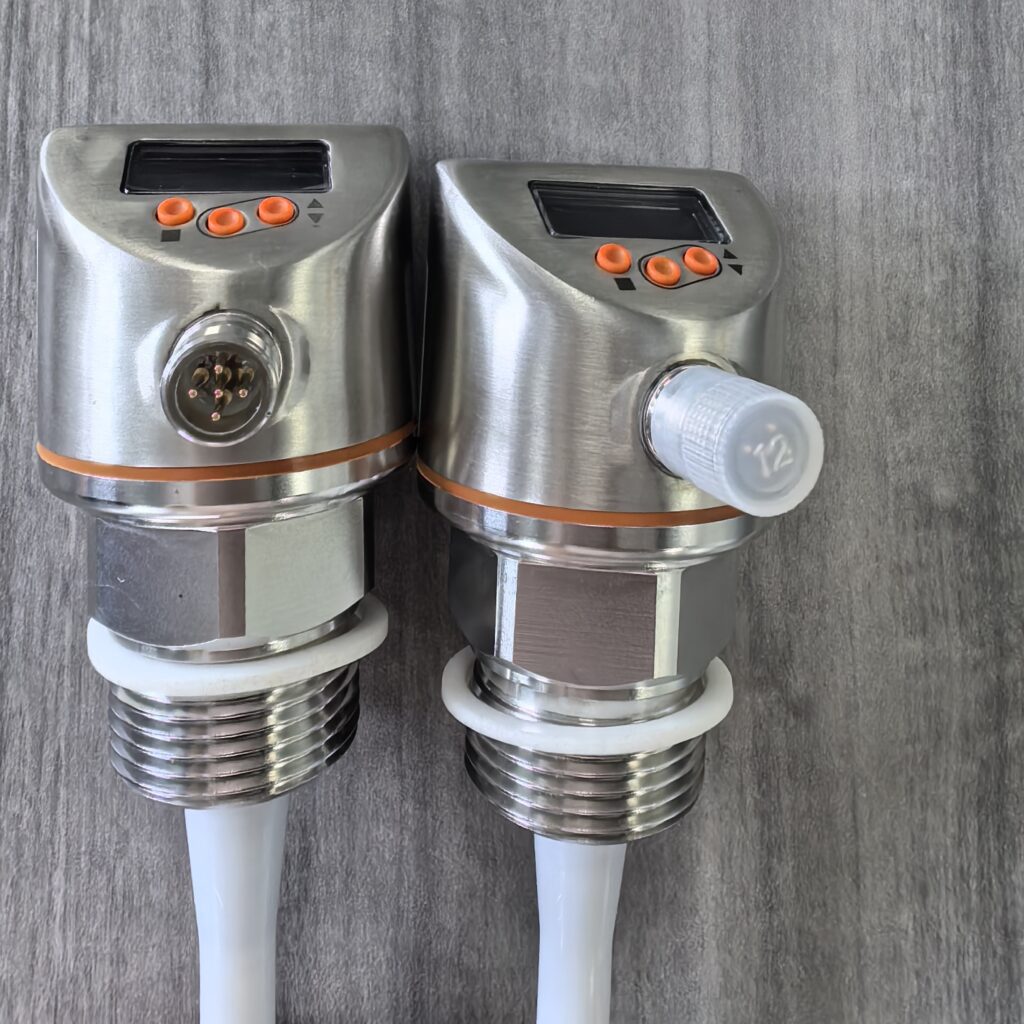
Scan the QR code to receive more detailed information.