Conventional pressure testing equipment is prone to data deviation, sensor damage and service life attenuation under harsh metallurgical conditions, which cannot meet the long-term and high-precision monitoring requirements of industrial production. Specialized pressure testing technologies and anti-harsh environment sensors have become essential supporting facilities for modern metallurgical production. This paper analyzes the harsh characteristics of metallurgical working conditions, discusses the technical difficulties and core significance of pressure testing in heavy industry scenarios, summarizes key technical requirements, typical application links and existing practical challenges, and puts forward targeted optimization strategies. The research aims to provide effective references for metallurgical enterprises to improve pressure monitoring accuracy, reduce equipment failure risks, and realize safe and efficient industrial operation.
1. Introduction
Metallurgical heavy industry covers iron and steel smelting, non-ferrous metal refining, hot rolling processing and raw material transportation, featuring continuous and high-load production characteristics. Different from general industrial scenarios, metallurgical production sites are accompanied by extreme working conditions such as ultra-high temperature heat radiation, industrial dust accumulation, chemical medium corrosion and mechanical vibration all year round. Pressure changes in reaction furnaces, high-pressure gas pipelines and hydraulic transmission systems directly affect smelting reaction efficiency, product forming quality and equipment operational safety. Slight pressure monitoring errors may lead to unqualified metal products, pipeline blockage, equipment overload operation, and even major safety accidents such as furnace body leakage and pipeline explosion. Therefore, reliable pressure testing under harsh working conditions is the key foundation to ensure the stable operation of the entire metallurgical production system.
2. Harsh Working Condition Characteristics and Testing Difficulties
Metallurgical working conditions bring multiple interference factors to pressure testing. First, high-temperature interference is the most prominent problem. Long-term high-temperature environments will cause thermal drift of conventional sensor chips, resulting in inaccurate pressure data and reduced measurement stability. Second, a large amount of metal dust and industrial suspended particles in the air easily adhere to the surface of testing equipment, blocking detection holes and affecting data collection sensitivity. In addition, metallurgical production involves acidic and alkaline corrosive gases and liquids, which will erode ordinary equipment shells and internal components. At the same time, frequent mechanical vibration of production equipment will cause loose instrument connections and signal fluctuation, further increasing the difficulty of stable pressure testing.
3. Core Technical Requirements for Harsh-condition Pressure Testing
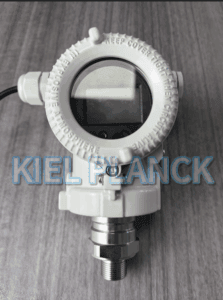
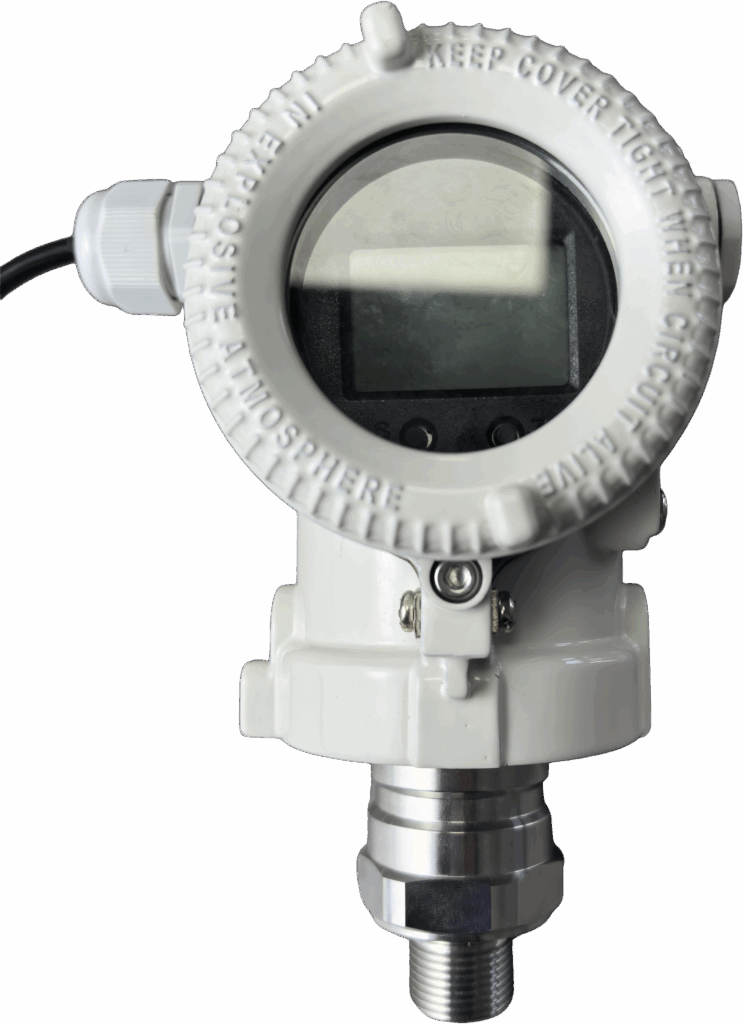
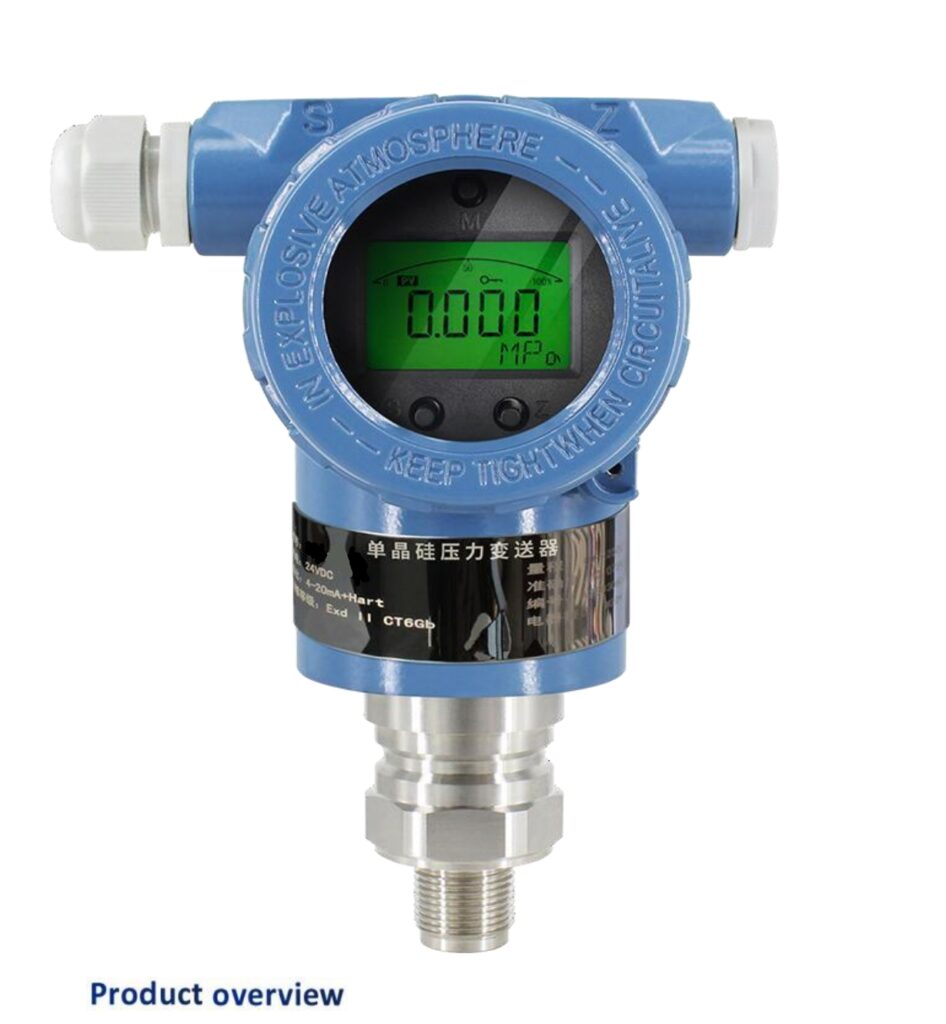
To adapt to complex metallurgical scenarios, pressure testing equipment must meet strict professional technical standards. Firstly, it needs excellent high-temperature resistance and temperature compensation performance to eliminate thermal drift errors and maintain measurement accuracy in long-term high-temperature environments. Secondly, the equipment shell and detection components should adopt high-strength anti-corrosion and wear-resistant materials to resist chemical erosion and dust impact. Thirdly, shockproof and anti-vibration structural design is required to avoid signal instability and equipment damage caused by mechanical vibration. In addition, industrial-grade high protection level such as IP67 and above is essential to prevent dust and water vapor from invading the equipment. Meanwhile, the testing system needs strong anti-electromagnetic interference ability to adapt to the complex electromagnetic environment of metallurgical workshops and ensure real-time and accurate data output.
4. Typical Industrial Application Scenarios
Harsh-condition pressure testing runs through the whole process of metallurgical production. In the smelting link, it is applied to real-time pressure monitoring of blast furnaces, converter furnaces and heating furnaces to stabilize furnace pressure balance and avoid furnace body pressure deviation affecting smelting efficiency and metal purity. In the raw material conveying link, it monitors the pressure of high-pressure gas pipelines and slurry conveying pipelines to prevent pipeline blockage, medium leakage and pressure surge accidents. In the rolling and forming process, precise pressure testing of hydraulic and pneumatic systems ensures stable equipment operation and improves the dimensional accuracy of metal products. Moreover, it is also widely used in waste gas treatment and energy recovery systems of metallurgical plants to support safe and environmentally friendly production.
5. Existing Challenges and Optimization Strategies
At present, pressure testing in the metallurgical industry still faces some practical problems. Long-term harsh working conditions lead to short service life of testing equipment and frequent replacement, increasing enterprise operation costs. Some low-end testing equipment has poor environmental adaptability and low data accuracy, which cannot meet the needs of refined production. In addition, the lack of intelligent monitoring functions makes it difficult to realize real-time early warning of abnormal pressure. To solve these problems, enterprises should select professional metallurgical-grade anti-harsh pressure testing equipment, establish regular calibration and maintenance mechanisms, and clean and inspect equipment regularly to eliminate dust and corrosion hidden dangers. Meanwhile, it is necessary to promote intelligent testing systems combined with big data monitoring to realize automatic early warning and fault diagnosis of pressure abnormalities.
6. Conclusion
Pressure testing under harsh working conditions is an indispensable core link in the safe and stable operation of metallurgical heavy industry. It overcomes the interference of high temperature, corrosion, dust and vibration in metallurgical scenarios, provides accurate and reliable pressure data support for production process control and equipment safety management, and effectively reduces the risk of production accidents and unqualified products. With the continuous development of sensor technology and intelligent industrial manufacturing, harsh-condition pressure testing equipment will develop towards higher precision, stronger environmental adaptability and intelligent linkage. Continuous optimization of pressure testing technology will further promote the refined, safe and efficient development of the modern metallurgical heavy industry.
Scan the QR code to receive more detailed information.