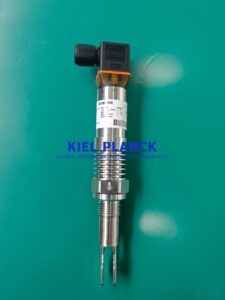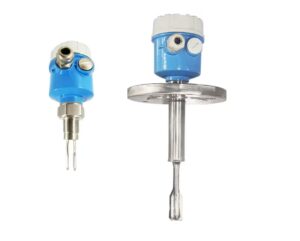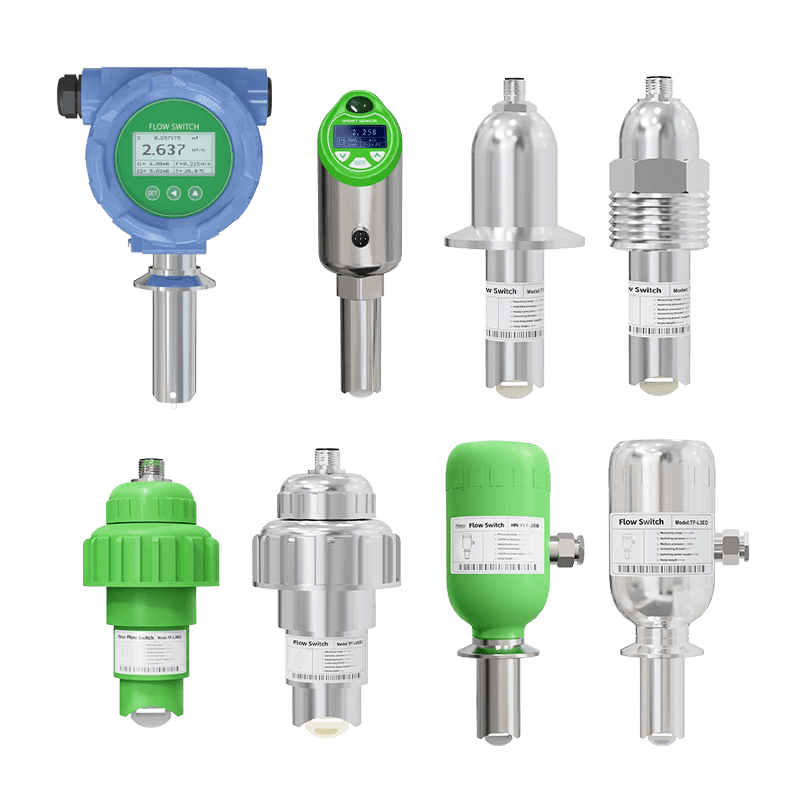
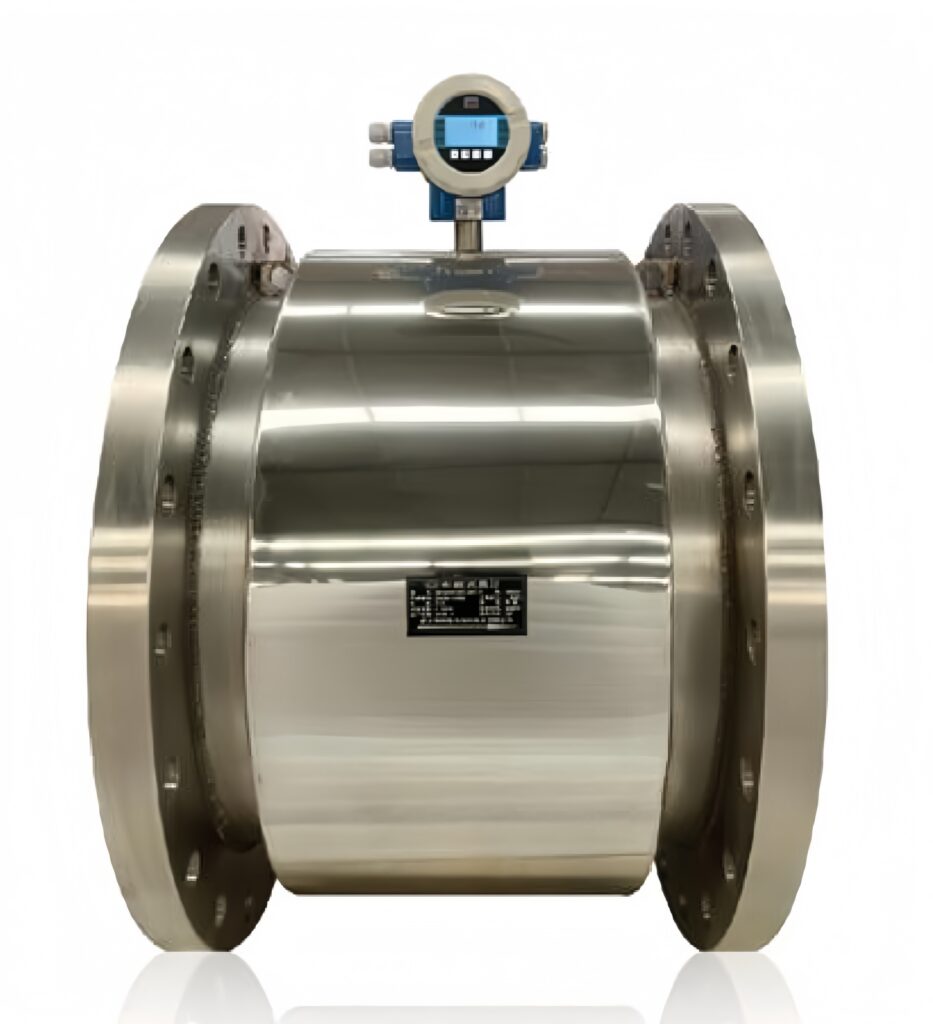
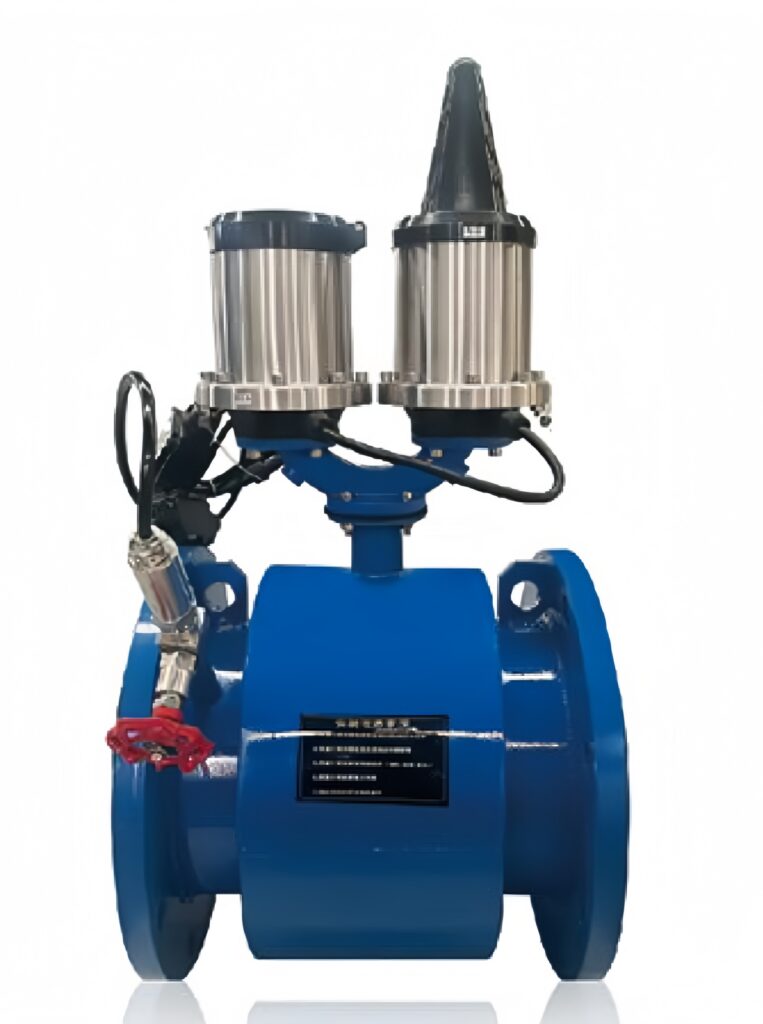
Based on Faraday’s law of electromagnetic induction, Karman vortex street principle, and turbine rotational speed sensing technology, this device realizes real-time conversion of fluid flow velocity into standard electrical signals. Compared with conventional single-type flow meters, it features no mechanical wear, low pressure loss, strong anti-interference capability, and a wide measurement range. This paper systematically elaborates on its working mechanism, core advantages, typical industrial applications, existing technical limitations and future development trends, aiming to provide a reference for the popularization and optimization of multi-functional composite flow measurement equipment in industrial automation systems.
1. Introduction
Flow measurement is a core link in industrial production, energy monitoring, and fluid transportation processes, and the accuracy and stability of flow meters directly affect production efficiency, energy consumption statistics and industrial safety. Traditional single-function flow meters have obvious application bottlenecks: electromagnetic flow meters are only applicable to conductive liquids, vortex meters have low accuracy in low-flow velocity environments, and turbine flow meters are prone to mechanical aging and wear. To solve these problems, the electromagnetic vortex turbine composite flow meter has been developed. It integrates the complementary advantages of three mainstream measurement technologies, breaks through the medium and scenario limitations of single equipment, and has become a key measuring instrument for modern intelligent industrial systems.
2. Working Principle
The operating logic of the electromagnetic vortex turbine flow meter relies on three mature physical sensing mechanisms to achieve collaborative measurement. First, the turbine sensing module converts fluid flow velocity into mechanical rotational speed. When fluid passes through the pipeline, it pushes the turbine impeller to rotate, and the rotational speed is positively correlated with the instantaneous flow rate of the fluid. The magnetic induction sensor captures the rotation frequency of the turbine and converts mechanical motion into electrical pulse signals.
Second, based on the Karman vortex street principle, a bluff body installed in the pipeline generates regular vortex shedding when fluid flows through. The vortex shedding frequency is linearly proportional to the fluid flow velocity within a wide Reynolds number range. The built-in high-sensitivity sensor detects vortex pressure fluctuations and outputs stable frequency signals, which correct the measurement error of the turbine module in low-flow and turbulent flow states.
Finally, the electromagnetic measurement module applies Faraday’s law of electromagnetic induction. Conductive fluid cuts the magnetic field lines generated by the equipment’s magnetic field, inducing an induced voltage proportional to the average flow velocity. This module compensates for the measurement deviation of vortex and turbine modules when detecting corrosive, solid-liquid two-phase fluids. The system processor fuses the three groups of signal data through algorithm optimization to output accurate and real-time flow data.
3. Core Advantages and Industrial Applications
This composite flow meter has prominent technical advantages over traditional equipment. Different from turbine flow meters with vulnerable moving parts, its vortex and electromagnetic sensing units are fixed structures, greatly reducing mechanical wear and daily maintenance costs. It has almost no pressure loss during operation, which is conducive to energy saving in long-distance fluid transportation. In terms of measurement adaptability, it covers conductive liquids, non-conductive liquids, gases and steam, solving the single-medium limitation of electromagnetic flow meters and the low-precision defect of vortex meters in ultra-low flow velocity measurement. In addition, its measurement results are barely affected by fluid temperature, pressure and viscosity, with high linearity and repeatability.
In industrial scenarios, the equipment is widely used in petrochemical, water treatment, urban energy supply and pipeline transportation fields. In petrochemical production, it accurately measures corrosive chemical solutions and mixed fluid media to ensure stable production parameters. In water supply and drainage projects, it monitors the flow of large-diameter water pipelines and realizes real-time leakage detection and energy consumption analysis. In urban gas and steam supply systems, it completes high-precision metering of gas and steam, providing reliable data support for trade settlement and energy audit.
4. Limitations and Future Development Trends
Despite its superior performance, the electromagnetic vortex turbine flow meter still has certain limitations. Its structure is more complex than single-function flow meters, leading to higher manufacturing and initial installation costs. In extreme environments such as high dust and strong electromagnetic interference, individual signal modules are prone to slight interference, affecting measurement accuracy. Besides, the equipment has higher requirements for pipeline installation stability, and pipeline vibration will cause data fluctuation.
With the development of intelligent manufacturing and industrial Internet technology, the equipment will develop towards miniaturization, intelligentization and high integration. Future optimization directions include integrating intelligent self-calibration algorithms to eliminate environmental interference errors, adopting anti-corrosion and anti-vibration materials to adapt to extreme working conditions, and adding wireless data transmission functions to realize remote real-time monitoring and intelligent early warning. Meanwhile, cost reduction through structural optimization will further expand its civilian and small-scale industrial application scenarios.
5. Conclusion
The electromagnetic vortex turbine flow meter is an efficient and versatile flow measurement device that organically integrates electromagnetic, vortex and turbine measurement technologies. It effectively makes up for the defects of traditional single-type flow meters, featuring wide medium adaptability, high measurement accuracy, low maintenance cost and stable operation. It plays an irreplaceable role in industrial fluid monitoring, energy metering and pipeline safety management. Although restricted by manufacturing cost and environmental adaptability at this stage, with the continuous progress of sensor technology and intelligent algorithm optimization, this composite flow meter will achieve further performance breakthroughs, and become a mainstream measuring instrument for intelligent industrial flow detection, with broad market application prospects and engineering promotion value.
Scan the QR code to receive more detailed information.