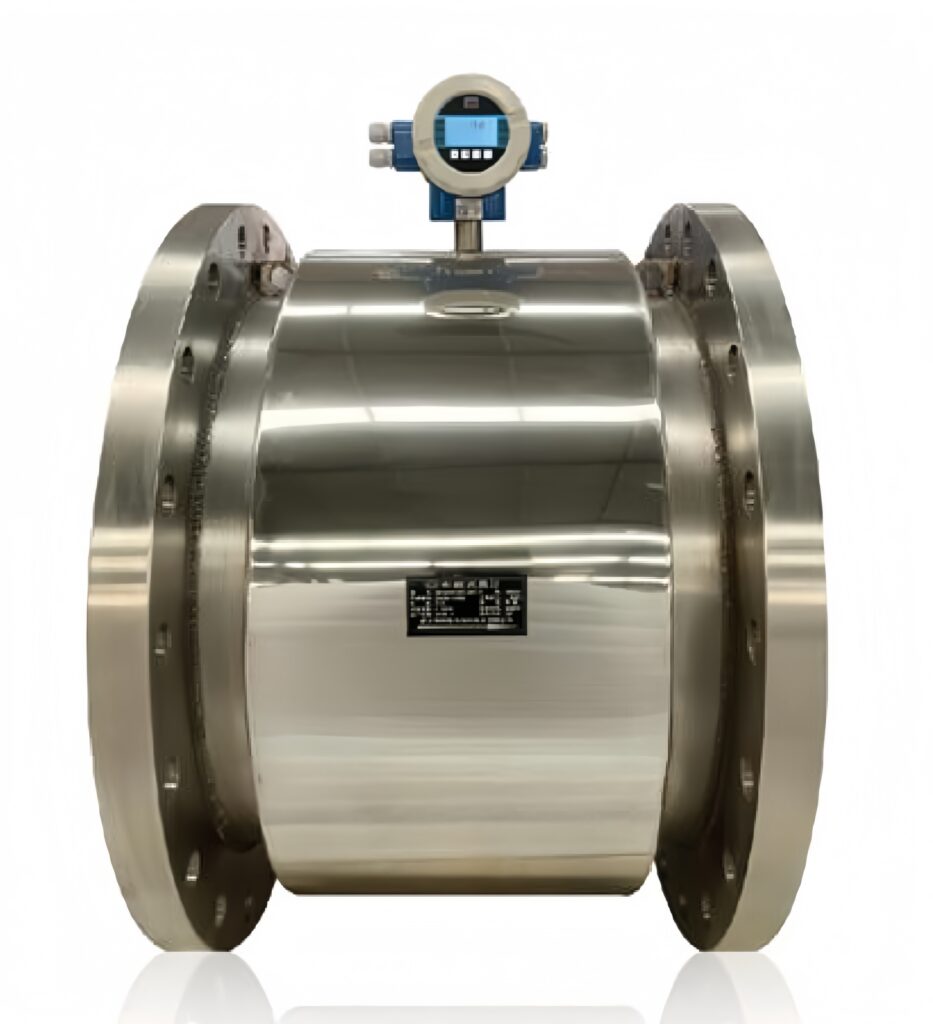
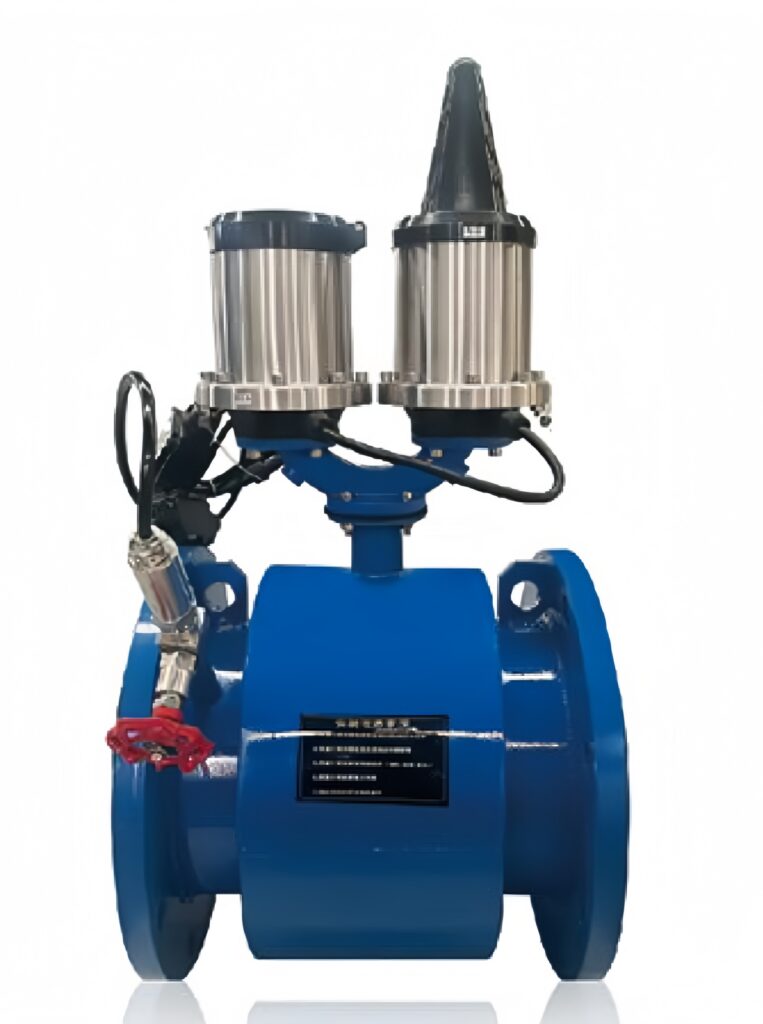
As a mainstream precision measuring device, the electromagnetic flowmeter features no flow resistance, stable operation and customizable anti-corrosion lining materials, making it highly suitable for fluid measurement in corrosive chemical working conditions. This article introduces the working principle of electromagnetic flowmeters, analyzes the technical advantages and key structural designs adapted to highly corrosive media, summarizes typical chemical application scenarios and practical selection criteria, and discusses existing application limitations and optimization measures. The study aims to provide reliable technical guidance for chemical enterprises to select and apply anti-corrosion flow measurement equipment, ensuring accurate flow monitoring, stable production processes and safe industrial operation.
1. Introduction
Modern chemical production relies heavily on the continuous transportation and accurate metering of various corrosive liquid media. Flow measurement serves as a core parameter for chemical process control, directly affecting reaction ratio accuracy, product quality stability and industrial safety management. Most conventional flow meters adopt metal contact structures, which are easily eroded by corrosive chemical media. Long-term operation will cause component aging, signal distortion and even equipment leakage, severely restricting production efficiency. Different from traditional measuring devices, electromagnetic flowmeters adopt non-blocking pipeline structure and diversified anti-corrosion lining technology, which can adapt to long-term measurement of strong corrosive fluids. With the advantages of high precision, low maintenance cost and strong environmental adaptability, it has become the preferred measuring instrument for harsh chemical working conditions.
2. Working Principle and Anti-corrosion Core Design
Electromagnetic flowmeters follow Faraday’s electromagnetic induction principle. When conductive liquid flows through the magnetic field inside the pipeline, it cuts magnetic induction lines and generates an induced electromotive force proportional to the flow velocity. The sensor converts the induced signal into standard flow data to realize real-time flow measurement. Since the measuring principle requires no internal moving parts, the equipment avoids mechanical wear and blockage caused by corrosive media.
The core anti-corrosion design lies in pipeline lining and electrode materials. For highly corrosive chemical media, polytetrafluoroethylene (PTFE) and PFA linings are widely adopted. These materials possess excellent acid and alkali resistance, high temperature resistance and anti-sticking performance, which can effectively isolate corrosive fluids from the metal shell. Meanwhile, specialized electrodes such as tantalum, titanium and Hastelloy are selected to resist strong corrosion, ensuring long-term stability of signal acquisition without oxidation or erosion failure.
3. Technical Advantages in Corrosive Chemical Scenarios
Compared with other flow measuring equipment, electromagnetic flowmeters have prominent advantages in highly corrosive chemical applications. Firstly, they achieve zero pressure loss with a full-pipe smooth structure, which reduces pipeline operation energy consumption and avoids medium deposition and secondary corrosion. Secondly, the measurement accuracy is not affected by fluid density, viscosity, temperature and pressure changes, maintaining stable measuring performance for complex corrosive mixed media. Thirdly, the fully enclosed anti-corrosion structure prevents medium leakage and effectively reduces safety risks in chemical production.
In addition, intelligent electromagnetic flowmeters support real-time data transmission, remote monitoring and self-diagnosis functions, which help enterprises realize automatic process adjustment and refined production management. The simple structural design also greatly reduces daily maintenance frequency and replacement costs compared with traditional anti-corrosion flow equipment.
4. Typical Chemical Application Scenarios
Anti-corrosion electromagnetic flowmeters are widely used in core links of the chemical industry. In fine chemical production, they measure the flow of hydrochloric acid, sulfuric acid and sodium hydroxide solution to ensure accurate proportioning of chemical reactions. In wastewater treatment workshops, they monitor corrosive acid-base wastewater discharge to meet environmental protection discharge standards. In chemical raw material transportation, the equipment realizes continuous metering of high-salinity and corrosive liquid media, supporting stable material supply. Moreover, it is also applied in pharmaceutical chemical and new energy chemical industries for precise flow control of special corrosive solvents, effectively improving product qualification rate and production stability.
5. Application Challenges and Optimization Solutions
Despite outstanding performance, electromagnetic flowmeters still face limitations in extreme corrosive environments. They are only applicable to conductive liquids and cannot measure non-conductive corrosive organic solvents. In addition, ultra-strong corrosive media may cause gradual aging of lining materials after long-term operation, leading to slight measurement drift. To solve these problems, enterprises should select targeted lining and electrode materials according to medium characteristics, avoid mismatched material application. Regular equipment calibration and pipeline inspection are necessary to eliminate hidden dangers such as lining aging and electrode scaling. Meanwhile, combining intelligent monitoring technology can realize early warning of equipment performance attenuation and improve operation reliability.
6. Conclusion
Electromagnetic flowmeters with professional anti-corrosion design are essential measuring equipment for highly corrosive chemical working conditions. Relying on unique working principle and optimized anti-corrosion structure, they effectively solve the pain points of easy corrosion, low accuracy and high failure rate of traditional flow meters in chemical production. They ensure precise flow control, stable process operation and safe production management for chemical enterprises. With the continuous upgrading of material technology and intelligent measurement technology, anti-corrosion electromagnetic flowmeters will achieve stronger environmental adaptability and higher measurement stability, providing solid technical support for the high-quality and safe development of the modern chemical industry.
Scan the QR code to receive more detailed information.