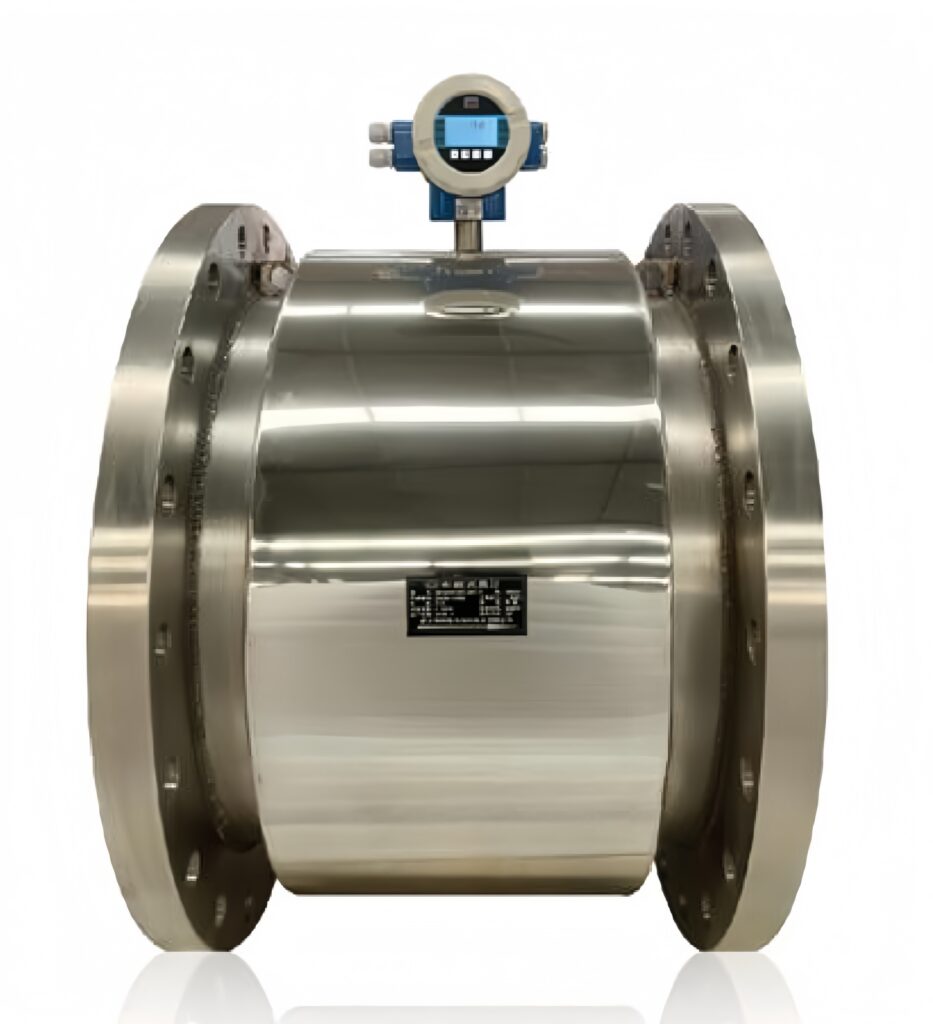
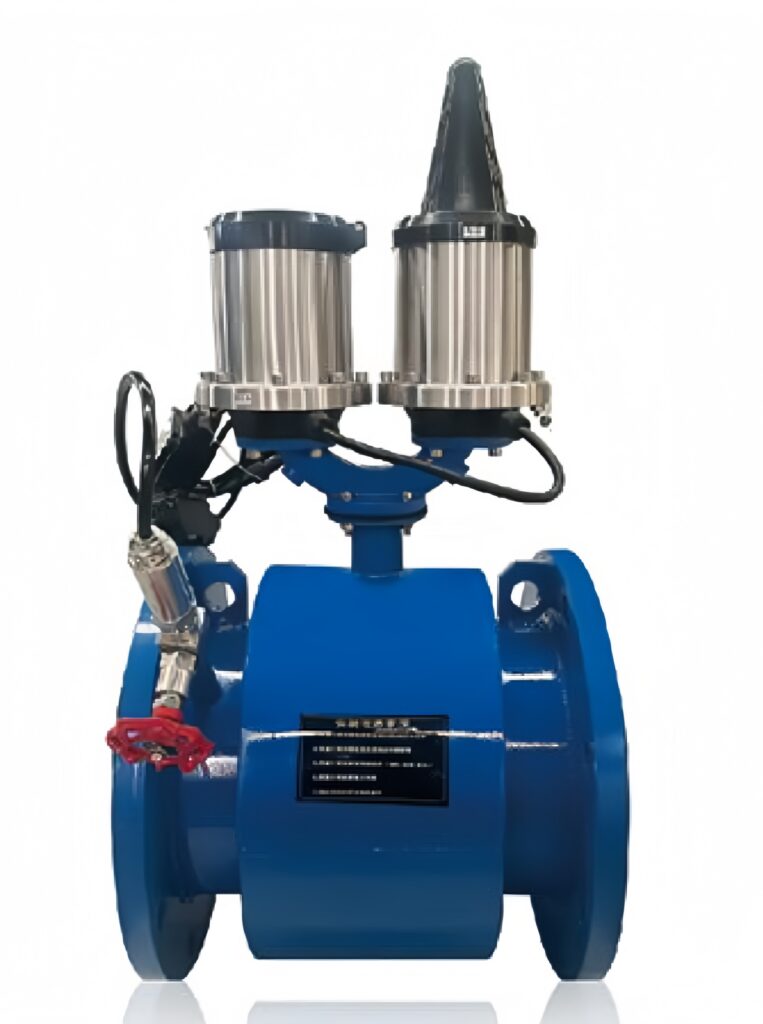
As the optimal measuring device for solid-liquid two-phase fluids, specially customized electromagnetic flowmeters are widely applied in metallurgical slurry transportation systems. Scientific model selection and standardized daily maintenance are the key to ensuring long-term stable and high-precision operation of flowmeters. This article systematically discusses the core selection criteria of electromagnetic flowmeters for metallurgical high-abrasion and high-temperature slurry scenarios, focusing on lining material selection, electrode matching, and temperature and pressure grade configuration. It also summarizes practical maintenance specifications, common fault causes and preventive measures. The research aims to provide systematic technical guidance for metallurgical enterprises to optimize equipment selection, reduce failure rates, extend service life, and realize refined flow management in slurry processing systems.
1. Introduction
Iron and steel smelting, non-ferrous metal refining and mineral processing industries rely heavily on continuous slurry transportation and real-time flow monitoring. Metallurgical slurry is characterized by high solid particle content, strong fluid abrasiveness, and high operating temperature, which forms a highly destructive working environment for flow measurement instruments. Traditional mechanical flow meters are prone to blockage, abrasion and structural damage, while ultrasonic meters suffer from severe signal attenuation in solid-liquid mixed fluids. In contrast, electromagnetic flowmeters have no internal moving parts and feature strong adaptability to slurry media, becoming the mainstream monitoring equipment for metallurgical slurry pipelines. However, unreasonable selection and irregular maintenance often lead to data drift and frequent equipment replacement. Therefore, mastering professional selection principles and standardized maintenance methods is essential to ensure the efficient and stable operation of metallurgical production systems.
2. Key Selection Principles for Harsh Metallurgical Slurry Conditions
The selection of electromagnetic flowmeters for high-abrasion and high-temperature metallurgical slurry must focus on environmental adaptability and long-term measurement stability. Lining material selection is the primary core factor. For high-temperature and high-wear slurry scenarios, rubber linings with excellent wear resistance or high-performance PTFE composite linings are preferred. Natural rubber lining is suitable for conventional low-temperature ore pulp with strong abrasion resistance, while modified PTFE lining adapts to high-temperature slurry below 180°C, balancing high temperature resistance and anti-wear performance, avoiding cracking and peeling caused by long-term scouring of solid particles.
Electrode configuration is another critical selection indicator. Conventional stainless steel electrodes are easily worn and failed in metallurgical slurry. Wear-resistant materials such as tantalum alloy, titanium alloy and Hastelloy should be selected to resist particle impact and medium corrosion. In addition, the equipment’s temperature resistance grade, pressure resistance grade and protection level must match actual working conditions. Industrial high-temperature resistant probes and IP68 dust-proof and water-proof structure are required to adapt to complex workshop environments and avoid performance degradation caused by high temperature and dust erosion.
3. Scientific Daily Maintenance and Management Measures
Standardized maintenance is the key to extending the service life of electromagnetic flowmeters and maintaining measurement accuracy under harsh slurry conditions. First, regular appearance and pipeline inspection should be carried out. Long-term scouring of slurry may cause lining wear and local peeling. Staff need to check the pipeline lining integrity and electrode wear regularly to prevent measurement deviation caused by excessive abrasion. Second, regular cleaning is necessary. Solid particle deposition and scaling on the probe surface will interfere with electromagnetic signal induction, so regular online cleaning or disassembly cleaning should be arranged according to slurry concentration and operating cycle.
In addition, regular calibration of measurement accuracy must be implemented. High temperature and abrasion will cause subtle changes in sensor performance. Regular professional calibration can effectively eliminate data drift. Meanwhile, enterprises should establish equipment operation files, record operating temperature, pressure, working hours and fault records, realize full-cycle tracking management, and provide data support for equipment maintenance and replacement planning.
4. Common Faults and Preventive Optimization Strategies
The common faults of electromagnetic flowmeters in metallurgical slurry applications mainly include unstable flow signals, zero drift and no display of measured data. Signal instability is mostly caused by electrode wear, slurry scaling or uneven fluid mixing. Zero drift usually results from long-term high-temperature fatigue of lining materials and sensor aging. To reduce fault frequency, enterprises should avoid overload operation of equipment for a long time, reasonably set flow rate range according to actual slurry parameters, and prevent excessive particle scouring caused by ultra-high flow velocity.
Moreover, intelligent optimization can be adopted. Equipping the flowmeter with real-time temperature compensation and anti-interference modules can effectively resist high-temperature thermal drift and electromagnetic interference in metallurgical workshops. Timely upgrading aging equipment and optimizing installation positions to avoid pipeline vibration and fluid turbulence can further improve the stability and accuracy of flow measurement.
5. Conclusion
Electromagnetic flowmeters are indispensable core measuring equipment for high-abrasion and high-temperature metallurgical slurry systems. Reasonable selection centered on wear-resistant lining and high-performance electrodes, combined with standardized daily maintenance and fault prevention measures, can effectively solve the problems of easy wear, low stability and short service life of flow detection equipment in metallurgical harsh environments. Scientific selection and maintenance not only ensure the real-time accuracy of slurry flow monitoring and stabilize metallurgical production process quality, but also reduce equipment operation and replacement costs. With the continuous upgrading of wear-resistant materials and intelligent measurement technology, electromagnetic flowmeters will achieve stronger environmental adaptability, providing reliable technical support for the intelligent and efficient development of modern metallurgical industry.
Scan the QR code to receive more detailed information.