Operating conditions inside hydrogenation reactors are characterized by high pressure, elevated temperature, hydrogen-rich medium and risk of hydrogen permeation and hydrogen embrittlement. Ordinary pressure transmitters are prone to zero drift, diaphragm bulging and premature failure under such rigorous working conditions. This paper analyzes the core functions of pressure transmitters in continuous hydrogenation processes, summarizes major measurement challenges brought by hydrogen medium, discusses key technical indicators and material selection principles, and illustrates engineering application requirements. The research provides practical reference for instrument type selection, installation and long-cycle stable operation of continuous hydrogenation production lines. Word count of abstract:146
1. Introduction
Continuous hydrogenation is a catalytic reaction process where raw materials continuously mix with high-pressure hydrogen inside reactors to achieve saturation, desulfurization and organic synthesis. Unlike batch hydrogenation, continuous hydrogenation units run nonstop for thousands of hours, requiring highly consistent process parameters. Pressure directly determines reaction rate, catalyst activity and production safety; tiny pressure deviation may lead to reduced product yield or even trigger safety hazards such as hydrogen leakage.
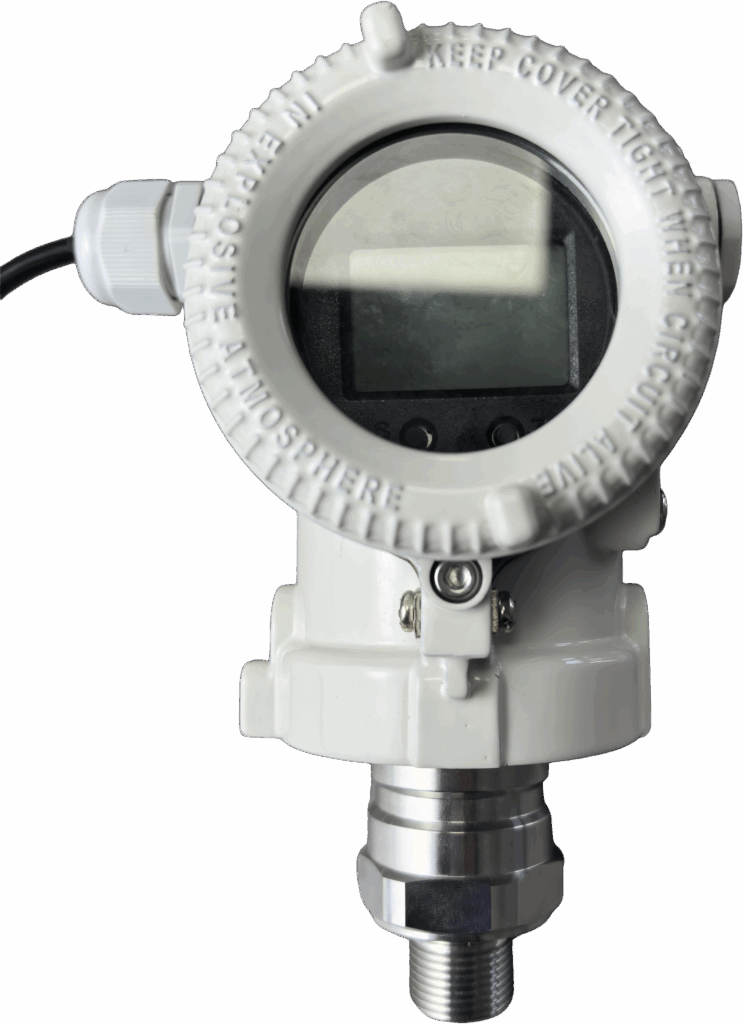
Pressure transmitters convert physical pressure values into standard 4–20mA or HART digital signals, transmitting real-time data to distributed control systems (DCS). Operators monitor pressure trends and adjust valves accordingly. Meanwhile, transmitters provide trigger signals for safety interlock systems. Once pressure exceeds threshold limits, the system automatically executes emergency protection actions. Therefore, reliable pressure transmitters are indispensable basic equipment for safe and stable operation of continuous hydrogenation units.
2. Working Condition Challenges for Pressure Measurement
The hydrogen-rich environment of continuous hydrogenation units creates unique difficulties for pressure transmitters. The primary problem is hydrogen permeation. Hydrogen atoms are extremely small and can penetrate conventional metal diaphragms under high temperature and high pressure. Hydrogen accumulates inside the sensor’s filling liquid and forms bubbles, causing diaphragm deformation, zero point shift and permanent measurement errors. Long-term permeation further induces hydrogen embrittlement, weakening mechanical performance of metal components and increasing leakage risks.
In addition, continuous hydrogenation brings other adverse factors. Production runs continuously with frequent pressure fluctuations, which accelerates material fatigue. Many hydrogenation processes contain corrosive substances such as hydrogen sulfide. The whole production area belongs to hazardous explosive zones, so all electrical instruments must meet strict explosion-proof standards. Strong electromagnetic interference generated by motors and frequency converters also interferes with signal stability of transmitters. Ordinary industrial pressure transmitters cannot adapt to these combined harsh conditions.
3. Core Performance Requirements and Selection Standards
To overcome the above difficulties, pressure transmitters deployed on continuous hydrogenation units must meet targeted performance requirements. First of all, anti-hydrogen permeation design is essential. Gold-plated diaphragms, Hastelloy or titanium alloy wetted materials are common solutions to slow down hydrogen penetration and avoid embrittlement failure.
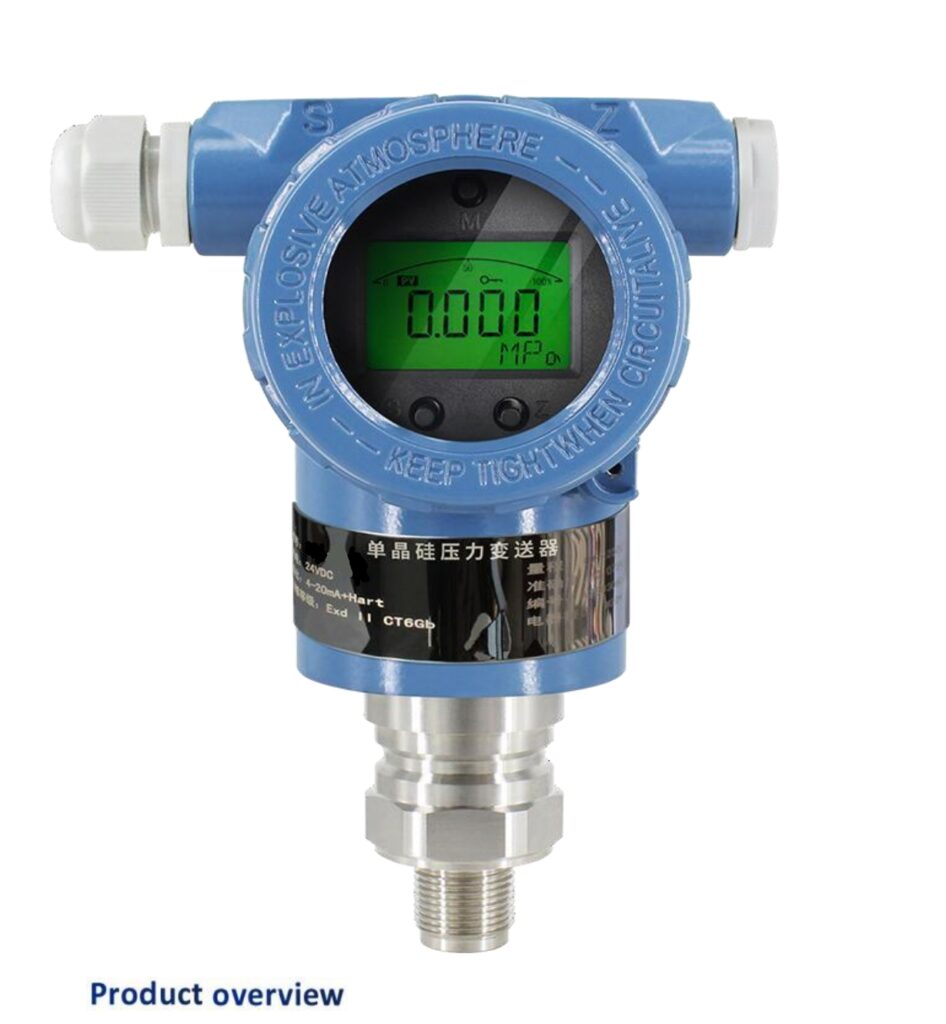
Secondly, high measurement accuracy and outstanding long-term stability are required. Single crystal silicon sensor transmitters are preferred for high-precision measurement points, featuring low temperature drift and minimal annual drift. Stable measuring performance reduces frequent on-site calibration workload. Measuring range should reserve sufficient overload margin to cope with instantaneous pressure surges during startup and adjustment.
Thirdly, explosion-proof certification is mandatory. Products with IECEx or ATEX explosion-proof certificates are applicable for Class IIC hydrogen hazardous areas. Digital communication protocols including HART enable remote parameter configuration, self-diagnosis and predictive maintenance. Proper process connection methods such as flange connections are selected according to pressure grade to ensure sealing performance under long-term high pressure.
4. Practical Application and Maintenance Suggestions
In engineering practice, pressure transmitters are installed at multiple key nodes of continuous hydrogenation units: reactor inlet and outlet, hydrogen pipeline, separator and circulating pipeline. Installation should follow standardized specifications. Sufficient thermal insulation or cooling structures must be arranged to prevent over-temperature medium from directly contacting sensor elements. Impulse pipelines need regular inspection to avoid blockage caused by catalyst residues.
Routine maintenance strategies extend service life. Operators conduct periodic zero point inspection and comparison calibration. Historical pressure data from transmitters can be used to judge equipment aging trend in advance. Once continuous zero drift is detected, the instrument should be replaced in time to prevent sudden failure during production operation. Selecting transmitters with strong hydrogen resistance effectively cuts downtime and reduces comprehensive operation costs for hydrogenation plants.
Conclusion
Pressure transmitters serve as key sensing equipment supporting automatic control and safety protection of continuous hydrogenation units. Special working conditions with high pressure, high temperature and hydrogen medium put forward stricter requirements on sensor materials, stability and safety performance compared with general industrial scenarios. When selecting instruments, enterprises should prioritize anti-hydrogen permeation structure, long-term stability and complete explosion-proof qualification instead of only focusing on basic accuracy parameters. Reasonable type matching, standardized installation and regular maintenance jointly guarantee continuous, safe and low-cost operation of hydrogenation production lines. With the rapid development of hydrogen-related chemical industry, intelligent pressure transmitters with built-in diagnosis functions will become the mainstream configuration for new-generation continuous hydrogenation facilities.
Scan the QR code to receive more detailed information.