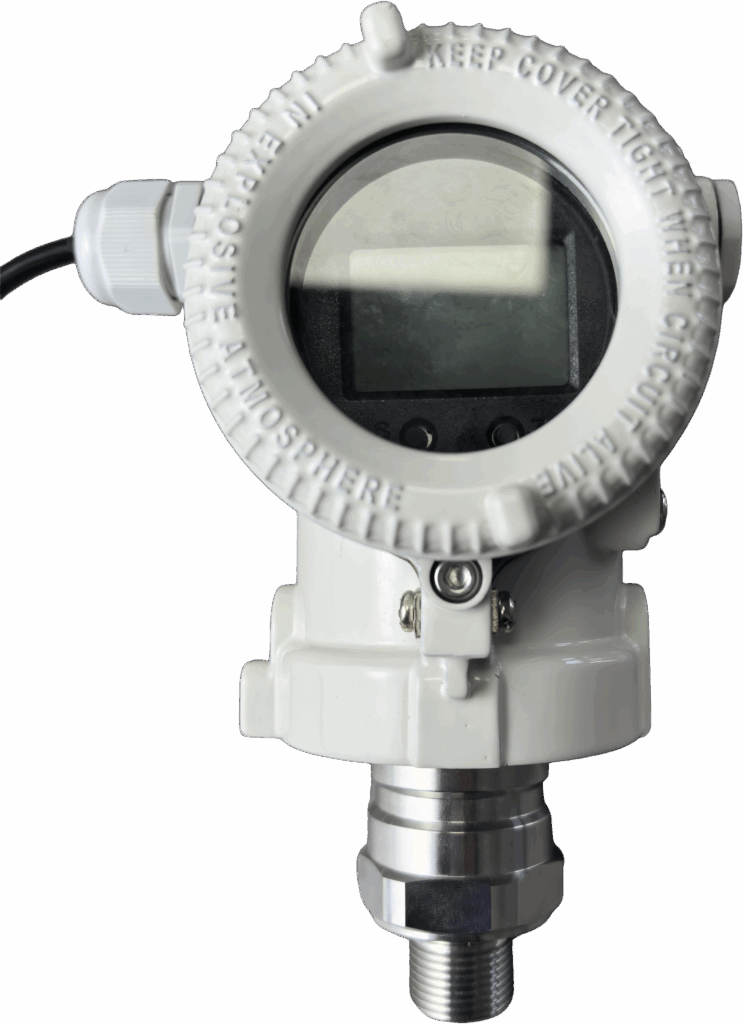
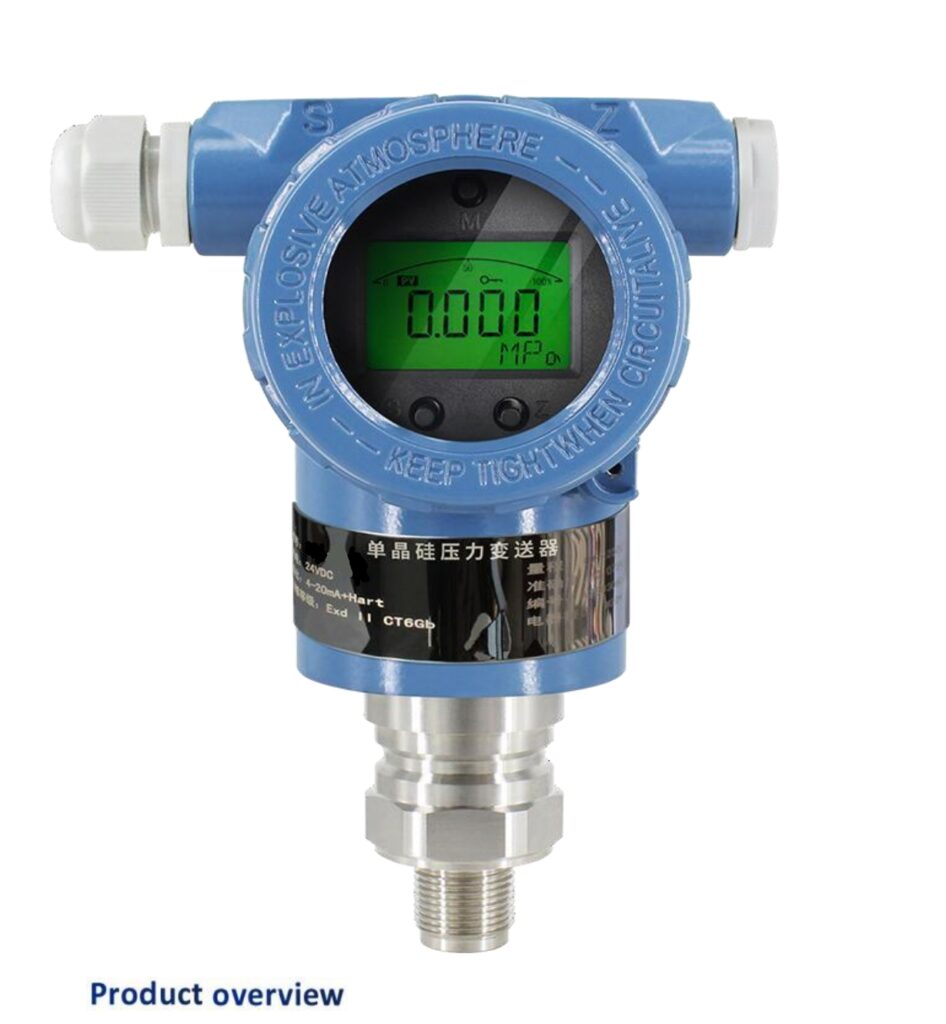
Hydrogen measurement dedicated pressure transmitters are specially optimized for hydrogen medium, adopting anti-permeation diaphragm design, hydrogen-compatible wetted materials and explosion-proof structure. This paper analyzes the failure mechanism of ordinary transmitters in hydrogen environment, introduces core design technologies of hydrogen-specific pressure transmitters, discusses engineering selection criteria, typical application scenarios and maintenance specifications. The research provides practical reference for instrument configuration in hydrogen production, hydrogenation reaction units, hydrogen storage and transportation systems, and helps enterprises improve measurement stability and operational safety of hydrogen facilities. (Word count:136)
1. Introduction
Global energy transition drives continuous expansion of hydrogen industrial chains. Hydrogen is widely applied in continuous hydrogenation units, ammonia synthesis, fuel cell refueling stations and semiconductor manufacturing. Pressure directly controls reaction efficiency, transmission safety and sealing reliability of hydrogen equipment. Tiny pressure deviation may cause hydrogen leakage, abnormal catalytic reaction and major safety accidents. Therefore, pressure transmitters act as essential sensing equipment for automatic control and safety interlock of hydrogen systems.
Ordinary pressure transmitters with standard 316L stainless steel diaphragms cannot adapt to hydrogen service conditions. Under high pressure and temperature, hydrogen atoms penetrate thin isolation diaphragms, gather inside filling fluid and form bubbles, resulting in continuous zero drift. Meanwhile, hydrogen infiltration changes metal lattice structure, inducing hydrogen embrittlement, microcracks and permanent damage of sensing components. For long-cycle continuous production, frequent calibration and instrument replacement significantly increase operating costs. Against such background, hydrogen measurement dedicated pressure transmitters have become standardized configuration for hydrogen-related industrial sites.
2. Main Challenges of Pressure Measurement in Hydrogen Environment
Two core risks restrict the service life of pressure sensors in hydrogen medium: hydrogen permeation and hydrogen embrittlement. Hydrogen atoms have ultra-small volume and can pass through metal lattice gaps. The isolation diaphragm of pressure transmitters is usually only 0.04–0.08 mm thin, lacking sufficient barrier capacity for hydrogen. Hydrogen permeates the diaphragm and accumulates in internal silicone oil, leading to unstable signal output and measurement deviation.
Hydrogen embrittlement brings greater hidden dangers. Penetrated hydrogen accumulates at material grain boundaries, reduces metal ductility, and generates microcracks under periodic pressure fluctuation. In severe cases, the diaphragm ruptures and triggers medium leakage. Besides material challenges, hydrogen belongs to IIC explosive gas group. All field instruments must obtain complete explosion-proof certification. Conventional transmitters often fail to meet the safety standard of hydrogen hazardous areas. Complex working conditions including temperature cycling and vibration further raise requirements for sensor long-term stability.
3. Core Technology of Hydrogen Dedicated Pressure Transmitters
To overcome hydrogen permeation and embrittlement, hydrogen-specific pressure transmitters adopt targeted optimization on material selection and structural design. The most mature solution is gold-plated diaphragm technology. Gold features dense face-centered cubic lattice structure, which forms a compact barrier on the surface of base metal. A 2–10 μm gold plating layer effectively blocks hydrogen diffusion without affecting diaphragm elastic performance.
For medium and high-pressure hydrogen processes, Hastelloy alloy and titanium alloy are alternative wetted materials. These alloys possess stronger hydrogen resistance than common 316L stainless steel. Manufacturers adopt fully laser-welded integrated structure to reduce internal gaps and avoid hydrogen accumulation. In terms of sensing core, high-stability piezoresistive or single crystal silicon sensor cells are widely equipped, ensuring low temperature drift and minimum annual drift.
Safety design is another key module. Qualified hydrogen pressure transmitters support intrinsically safe explosion-proof standard Ex ia IIC T6, adapting to Zone 0 continuous hydrogen hazardous environment. FFKM high-performance fluororubber seals are matched to prevent hydrogen leakage along thread and assembly gaps. Digital HART or Modbus communication enables remote parameter adjustment and real-time self-diagnosis, facilitating intelligent operation and maintenance.
4. Typical Industrial Applications and Selection Principles
Hydrogen measurement dedicated pressure transmitters are widely deployed in multiple key nodes of hydrogen industry. In continuous hydrogenation units, transmitters monitor reactor inlet and outlet pressure to stabilize catalytic hydrogenation reaction. In hydrogen production and purification workshops, instruments track pressure of electrolytic hydrogen pipelines. They are also installed on hydrogen storage tanks, long-distance transportation pipelines and hydrogen refueling stations for real-time pressure monitoring.
Enterprises should follow clear selection principles. First, prioritize transmitters with gold-plated diaphragm for medium-high pressure hydrogen conditions. Second, reasonably reserve overload margin according to working pressure to cope with instantaneous pressure surge. Third, match explosion-proof grade based on hazardous area division. For safety instrumented systems, SIL-certified products are recommended. Users should avoid using ordinary general pressure transmitters to save short-term costs, which will bring frequent failure risks and hidden safety hazards.
5. Installation and Daily Maintenance Suggestions
Reasonable installation and regular maintenance can maximize service life of hydrogen pressure transmitters. The impulse pipeline should avoid dead leg structure to prevent hydrogen stagnation. Heat insulation or cooling accessories are required for high-temperature hydrogen pipelines to lower thermal impact on sensing elements. Operators should avoid external scratch on diaphragm surface, as damaged gold plating will lose anti-permeation performance.
Routine maintenance includes periodic zero-point inspection and comparative calibration. Once continuous zero drift is detected, inspect whether the diaphragm plating layer is damaged. Regularly check sealing components and replace aging seals to avoid micro-leakage. During long-term shutdown, keep the transmitter protected from humid environment to prevent electrochemical corrosion of wetted parts.
Conclusion
Hydrogen measurement dedicated pressure transmitters solve the industry pain points of hydrogen permeation and hydrogen embrittlement faced by ordinary sensors. By adopting gold-plated anti-permeation diaphragms, hydrogen-compatible alloys and standardized explosion-proof design, these instruments realize long-term stable and accurate pressure detection under complex hydrogen working conditions. As hydrogen industrialization accelerates, the demand for high-reliability hydrogen-specific measuring instruments will keep growing. In engineering practice, standardized model selection, normative installation and scientific maintenance are essential to guarantee safe operation of hydrogen facilities. Future development trends will integrate more intelligent diagnosis functions, realize early warning of diaphragm aging, and further promote the safe and efficient development of hydrogen energy and hydrogenation chemical industry.
Scan the QR code to receive more detailed information.