Hydrogen features small molecular volume, wide flammable range and risk of hydrogen embrittlement, bringing unique challenges to field measurement instruments. Conventional general sensors suffer zero drift, insufficient explosion-proof performance and inaccurate flow calculation under complex refueling conditions. This paper systematically analyzes monitoring demands of pressure, temperature and flow for hydrogen refueling equipment, introduces matched measuring instruments and integrated monitoring schemes, discusses material selection, explosion-proof standards and installation specifications of sensors. The research provides feasible reference for instrument configuration, automatic control and safety interlock of 70 MPa hydrogen refueling systems, supporting stable and standardized operation of hydrogen refueling infrastructure. (Word count:142)
1. Introduction
Driven by global carbon neutrality goals, hydrogen energy has achieved rapid industrial development. Hydrogen refueling stations realize fast filling of high-pressure hydrogen for fuel cell vehicles, and most mainstream refueling systems adopt the 70 MPa technical route. During refueling, hydrogen releases heat due to the Joule-Thomson effect. Excessively high temperature inside vehicle hydrogen tanks will damage liner materials. Meanwhile, uncontrolled pressure surge may trigger safety risks such as hydrogen leakage. Accurate flow measurement is the foundation of trade metering between stations and vehicle owners.
Real-time monitoring of pressure, temperature and flow becomes indispensable. A complete monitoring system transmits measurement signals to the distributed control unit. The controller adjusts pre-cooling capacity and hydrogen supply speed according to measured data. Once parameters exceed safety thresholds, the system activates emergency interlock and stops refueling. Ordinary industrial sensors cannot adapt to hydrogen’s special medium characteristics and hazardous environment. Therefore, targeted monitoring solutions must be adopted for hydrogen refueling equipment.
2. Measurement Challenges in Hydrogen Refueling Scenarios
Three core difficulties restrict stable measurement of refueling equipment. First is the risk of hydrogen permeation and hydrogen embrittlement. Hydrogen atoms penetrate metal sensor diaphragms under high pressure, resulting in continuous zero drift of pressure transmitters and shortening service life. Second covers wide-range working conditions. The pre-cooling system cools hydrogen down to minus 40°C, while local pipeline temperature rises obviously during rapid filling, requiring sensors to maintain stability under drastic temperature changes.
Third challenges include safety standard constraints and flow measurement difficulties. Hydrogen belongs to IIC explosive gas group, and all electronic instruments need corresponding intrinsically safe or flameproof certification. In terms of flow detection, hydrogen density changes drastically with pressure and temperature. Volumetric flow meters produce large errors, failing to meet trade measurement requirements. In addition, short refueling cycles require sensors to possess fast response speed to capture transient parameter changes.
3. Configuration of Pressure, Temperature and Flow Monitoring Instruments
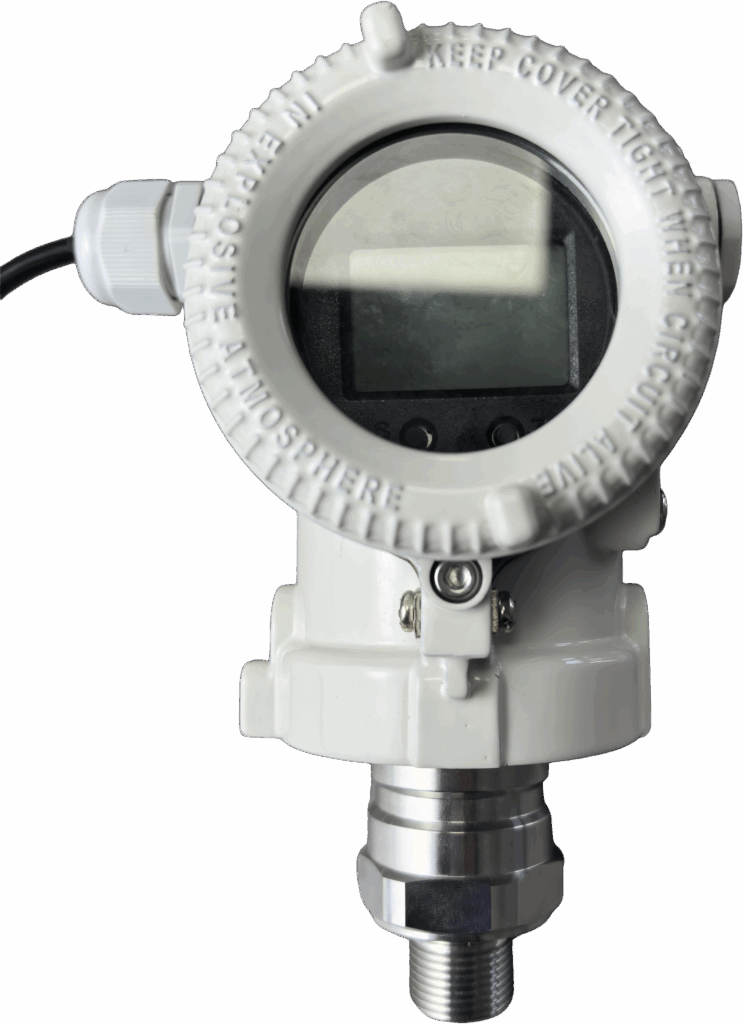
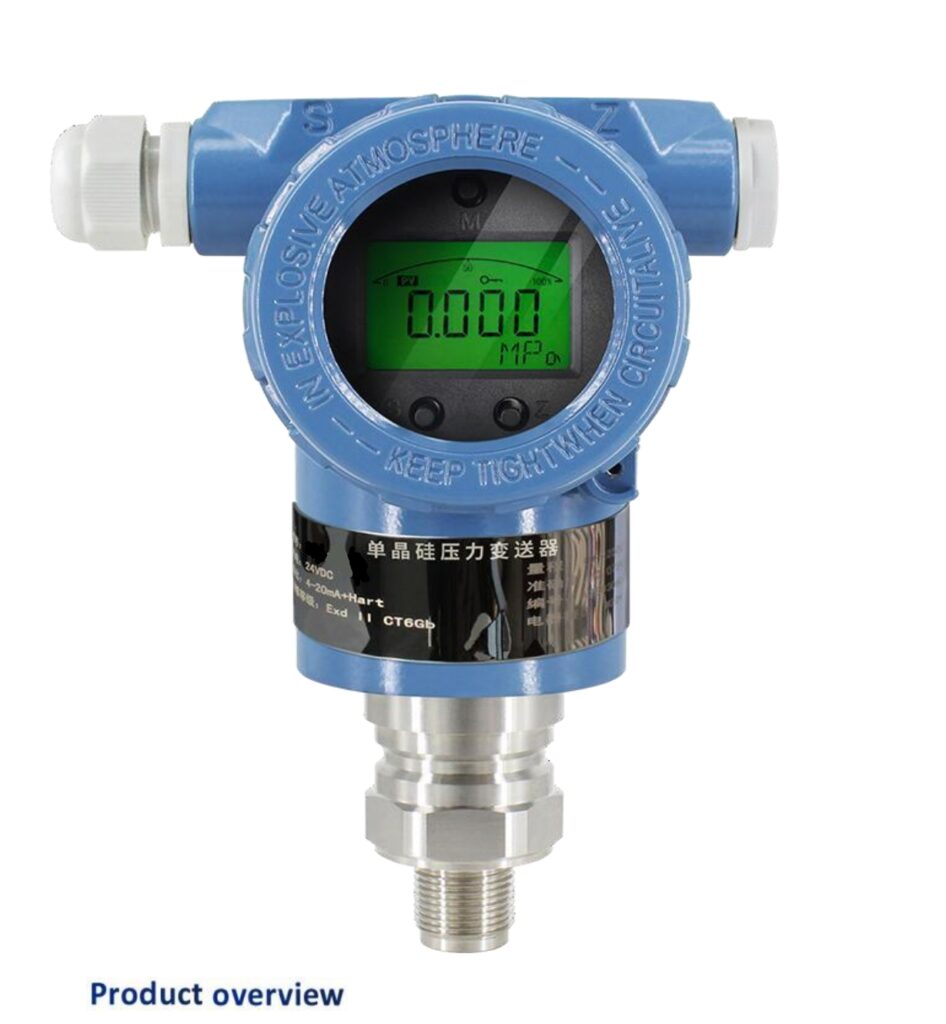
For pressure monitoring, hydrogen-specified pressure transmitters with gold-plated anti-permeation diaphragms are preferred. These transmitters cover measuring ranges up to 1000 bar, matching the 70 MPa refueling standard. Installed on hydrogen storage containers, compressor outlets, pre-cooling pipelines and refueling nozzles, they track pressure change rate in real time and prevent overpressure filling. The instruments adopt Ex ia IIC T6 intrinsically safe design to adapt to hazardous zones of refueling areas.
Temperature monitoring relies on fast-response temperature sensors. Sensors are arranged at the outlet of the pre-cooling heat exchanger and refueling pipeline. They continuously detect hydrogen medium temperature to avoid excessive temperature of vehicle-mounted hydrogen tanks. Short response time ensures timely temperature feedback for the control system to adjust cooling power.
Coriolis mass flow meters are the mainstream choice for flow monitoring. Different from volumetric meters, they directly measure mass flow independent of pressure and temperature variations, satisfying custody transfer metering demands. The flow meter cooperates with pressure and temperature signals to complete whole-process data recording of each refueling operation. Pressure transmitters, temperature sensors and mass flow meters jointly form a multi-dimensional data acquisition network.
4. Integrated Monitoring Scheme and Engineering Application
The integrated monitoring scheme adopts layered signal collection. All field sensors output standard 4–20mA or digital HART signals and upload data to the station control system. The platform realizes real-time data display, trend recording, over-limit alarm and historical data storage. The system sets multi-level safety thresholds: early warning prompts when parameters approach limits, and automatic interlock shutdown is triggered once safety boundaries are broken.
Reasonable installation methods help improve measurement precision. Pressure impulse pipelines reduce dead legs to avoid hydrogen stagnation. Temperature sensors are installed in direct contact with media instead of blind pipes to lower measurement delay. Flow meters should be arranged at straight pipe sections as required by specifications to prevent turbulence interference. Regular calibration is essential. Operators conduct periodic zero inspection and accuracy verification for instruments to guarantee long-term reliable operation.
5. Selection and Operation Suggestions
When selecting supporting instruments, enterprises should prioritize hydrogen-compatible materials, complete explosion-proof certification and excellent temperature stability instead of only focusing on basic accuracy. Instruments without anti-hydrogen permeation treatment are prohibited to be used on high-pressure hydrogen pipelines. During daily operation, maintenance personnel regularly check sealing conditions of sensors to prevent hydrogen leakage caused by aging components. Scratches on the diaphragm plating layer of pressure transmitters should be avoided during installation, otherwise anti-permeation performance will fail.
Conclusion
Pressure, temperature and flow monitoring systems are the core sensing foundation for safe and efficient operation of hydrogen refueling equipment. Facing hydrogen’s special medium characteristics and high-pressure low-temperature working conditions, dedicated pressure transmitters, fast-response temperature sensors and Coriolis mass flow meters constitute a complete monitoring solution. Synchronous collection of multi-dimensional parameters supports intelligent control of the refueling process, realizes over-limit safety interlock and guarantees fair metering. As the hydrogen refueling network expands continuously, multi-parameter integrated intelligent monitoring instruments will become the mainstream configuration. Standardized type selection, normative installation and scientific maintenance can effectively reduce failure risks, promote large-scale and safe development of hydrogen refueling infrastructure.
Scan the QR code to receive more detailed information.