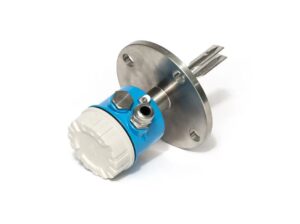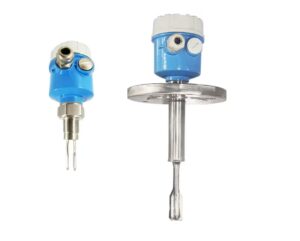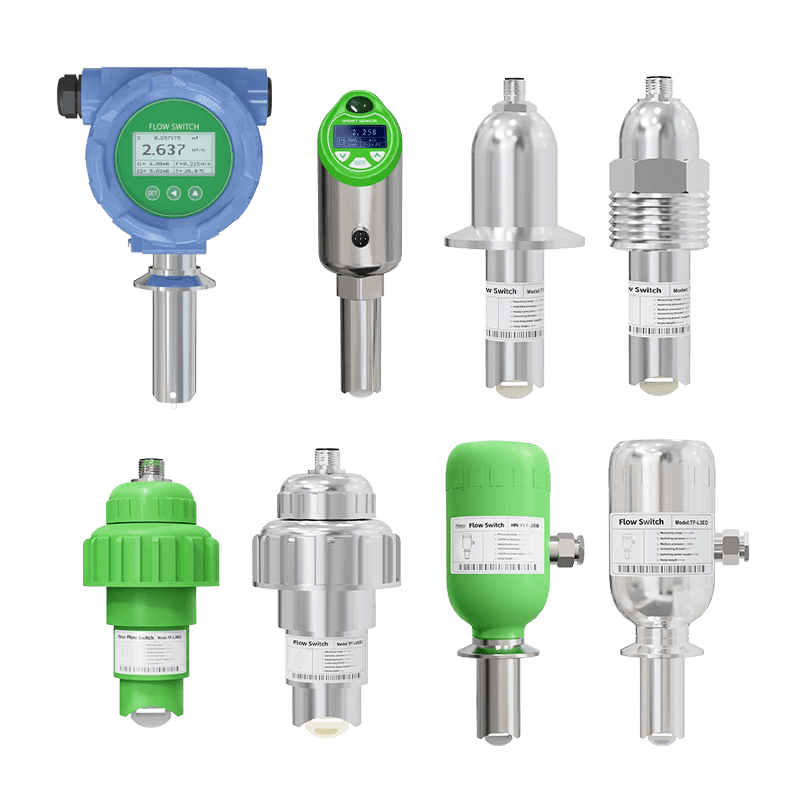
Ordinary pressure transmitters are prone to hydrogen embrittlement, gas permeation and precision attenuation when measuring hydrogen media, which cannot meet the stringent requirements of hydrogen industrial scenarios. This article systematically explores the key selection criteria and practical application specifications of hydrogen-specific pressure transmitters and ultrapure gas/pure hydrogen pressure transmitters. It analyzes the unique measurement challenges of hydrogen media, summarizes core selection factors including diaphragm material, pressure range, precision grade and anti-hydrogen-embritlement performance, and discusses the differentiated application scenarios of the two types of transmitters in conventional hydrogen industrial systems and ultrapure hydrogen precision production. The research aims to provide practical technical guidance for engineers to select and deploy hydrogen pressure measurement equipment, effectively improve measurement accuracy and system operation safety, and support the standardized development of the hydrogen energy industry.
1. Introduction
Hydrogen, as a clean and efficient new energy source, is widely used in chemical industry, new energy vehicles, semiconductor manufacturing and energy storage fields. However, hydrogen has unique physical and chemical characteristics: small atomic radius, strong diffusion ability and easy penetration into metal materials, which easily causes hydrogen embrittlement, sensor drift and even structural damage to ordinary pressure transmitters. In addition, ultrapure hydrogen used in semiconductors and high-precision industrial fields puts forward higher requirements on the anti-pollution performance and measurement stability of pressure sensors, which are far beyond the capability of conventional industrial pressure transmitters.
Hydrogen-specific pressure transmitters and ultrapure pure hydrogen pressure transmitters are specially optimized for hydrogen media. The former focuses on anti-hydrogen-embritlement and high-pressure resistance for general hydrogen industrial scenarios, while the latter takes high purity maintenance and ultra-high precision measurement as the core for high-end precision manufacturing scenarios. Reasonable selection and standardized application of the two sensors are crucial to eliminate potential safety hazards, ensure stable system operation and improve product yield in hydrogen-related production processes.
2. Key Selection Criteria for Hydrogen Pressure Transmitters
The selection of hydrogen-specific and ultrapure pure hydrogen pressure transmitters needs to be based on medium characteristics, working conditions and application scenarios, focusing on six core indicators to avoid measurement failure and equipment damage.
First, diaphragm and wetted material selection is the primary factor. Ordinary 316 stainless steel diaphragms are susceptible to hydrogen permeation and embrittlement under long-term hydrogen exposure. Hydrogen-specific transmitters usually adopt optimized 316L stainless steel, titanium alloy or gold-plated coating materials to block hydrogen diffusion and resist medium corrosion. For ultrapure hydrogen scenarios, non-polluting, low-adsorption materials are required to prevent material precipitation from affecting hydrogen purity.
Second, matching pressure range is essential. The working pressure of hydrogen systems varies greatly, from low-pressure hydrogen production pipelines to high-pressure hydrogen storage and transportation equipment up to 700bar. The selected transmitter range should reserve 1.5 times the safety margin of the maximum working pressure to adapt to instantaneous pressure peaks and avoid sensor overload damage.
Third, precision and response speed meet scenario requirements. Conventional industrial hydrogen scenarios require a precision grade of ±0.5% FS, while semiconductor-grade ultrapure hydrogen monitoring needs ultra-high precision of ±0.1% FS or higher. Meanwhile, hydrogen energy systems have strict real-time monitoring requirements, and the sensor response time should be less than 100ms to support real-time pressure adjustment and safety emergency shutdown.
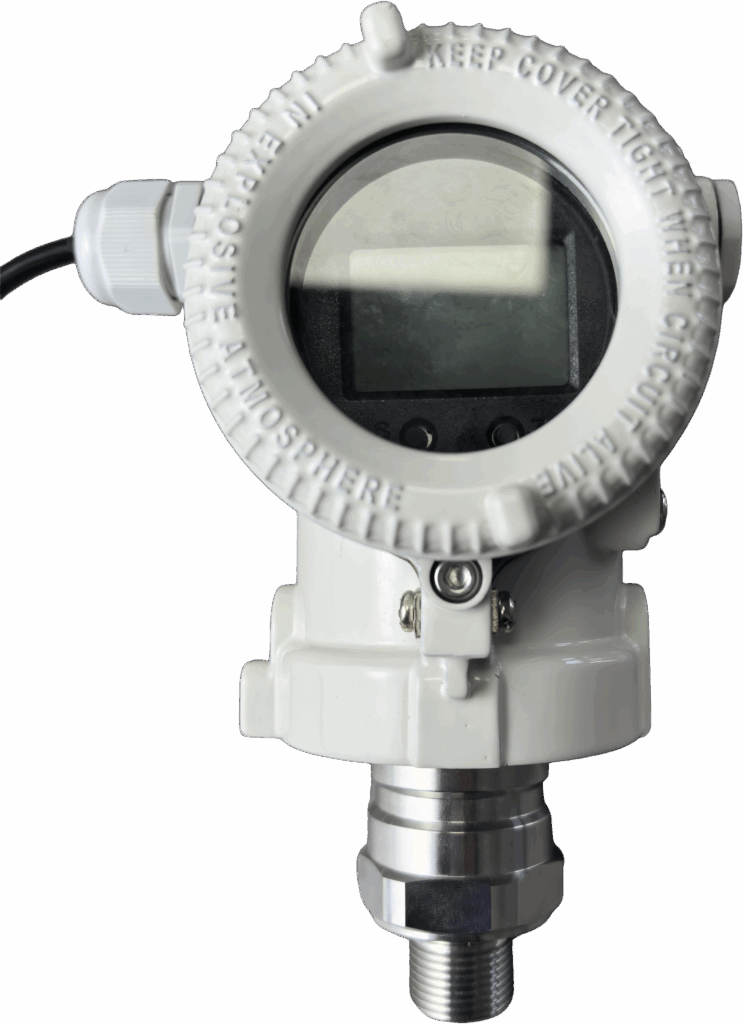
Fourth, environmental adaptability and safety certification. Hydrogen belongs to flammable and explosive gas, so the transmitter must have professional explosion-proof certification to adapt to complex industrial environments with vibration, high temperature and humidity. For outdoor and extreme working conditions, temperature compensation function is also required to ensure stable measurement accuracy in the temperature range of -40℃ to 85℃.
Fifth, output signal and interface matching. It is necessary to select standard 4-20mA analog signal or digital signal output according to the system control and data acquisition equipment to ensure seamless connection with industrial control systems and realize real-time data transmission and remote monitoring.
Sixth, purity adaptation for ultrapure scenarios. Ultrapure hydrogen transmitters adopt fully sealed integrated structure and non-degassing materials to avoid internal medium pollution, meeting the purity monitoring standards of semiconductor and electronic grade hydrogen.
3. Practical Application Scenarios and Specifications
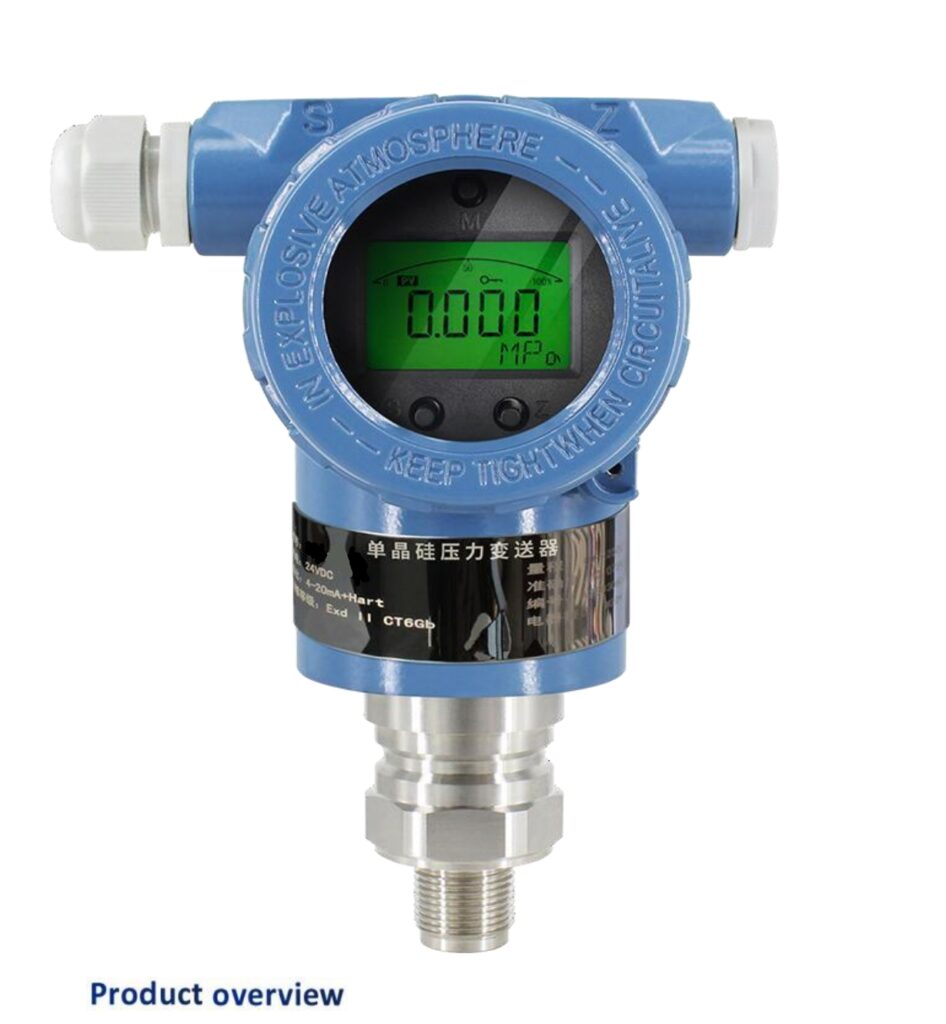
Hydrogen-specific pressure transmitters are mainly applied in conventional hydrogen industrial scenarios, including hydrogen production by electrolysis of water, industrial by-product hydrogen recovery, hydrogen fuel cell power systems and hydrogen refueling stations. In these scenarios, the working environment is complex, with certain pressure fluctuations and environmental interference. The anti-hydrogen-embritlement and high stability characteristics of hydrogen-specific transmitters can effectively resist hydrogen medium damage and ensure long-term stable operation of equipment. During application, attention should be paid to avoiding strong vibration installation positions, and regular calibration of measurement accuracy to eliminate drift errors caused by long-term operation.
Ultrapure gas and pure hydrogen pressure transmitters are mainly used in high-precision fields such as semiconductor wafer manufacturing, electronic material production and laboratory high-purity hydrogen experiments. These scenarios have extremely strict requirements on hydrogen purity, and tiny pollution or pressure fluctuation will affect product quality and experimental accuracy. Such transmitters feature ultra-low pollution, high precision and zero dead volume design, which can maintain the purity of ultrapure hydrogen while realizing accurate pressure monitoring. In actual installation and use, strict dust-free operation must be implemented to prevent external pollution, and regular leak detection and purity verification of the measurement pipeline should be carried out.
4. Conclusion
Hydrogen-specific pressure transmitters and ultrapure pure hydrogen pressure transmitters are professional measurement equipment tailored to hydrogen media, solving the pain points of poor stability, low precision and easy damage of ordinary sensors in hydrogen measurement. In the selection process, enterprises and engineers must comprehensively consider working pressure, medium purity, environmental conditions and precision requirements, and select appropriate sensor models based on scenario differentiation. In the application process, standardized installation, regular maintenance and calibration are required to give full play to the anti-embritlement, high-precision and anti-pollution advantages of the sensors. With the continuous expansion of the hydrogen energy industry scale, the accurate selection and standardized application of hydrogen pressure transmitters will provide reliable technical support for the safe, stable and high-quality operation of hydrogen industrial chains, and promote the further popularization and industrialization of hydrogen energy technology.
Scan the QR code to receive more detailed information.