This article systematically analyzes the multiple stress sources of transmitters during the installation of hydrogen refueling units, and proposes targeted stress relief strategies from standardized mechanical installation, pressure buffer optimization, thermal balance regulation and hydrogen embrittlement stress prevention. The study aims to eliminate installation-induced stress interference, stabilize transmitter measurement accuracy, extend service life of high-pressure measurement equipment, and provide reliable technical support for safe and standardized operation of hydrogen refueling systems.
1. Introduction
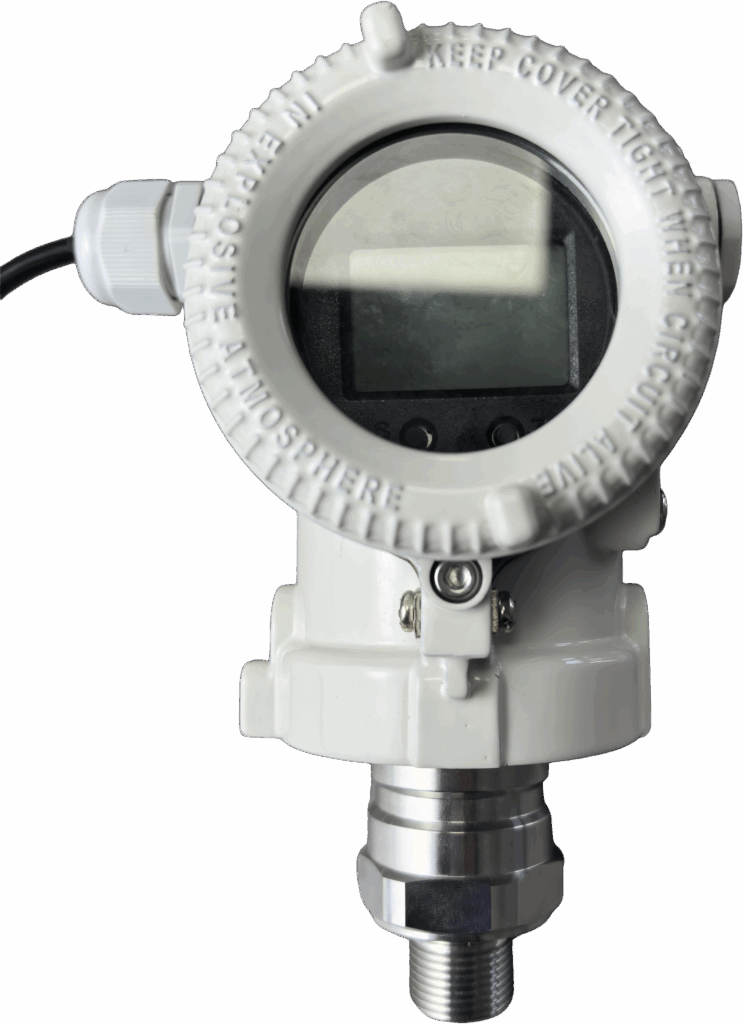
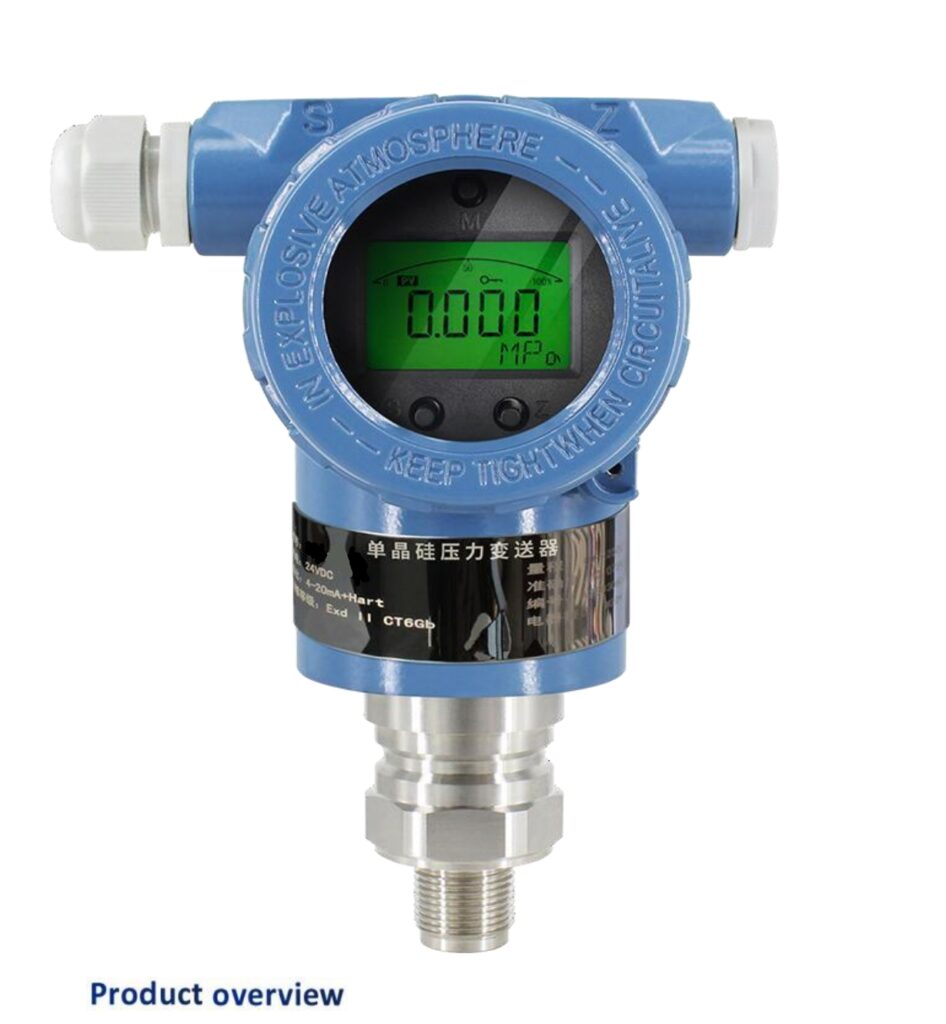
With the rapid popularization of hydrogen fuel cell vehicles, high-pressure hydrogen refueling technology has developed rapidly, and the working pressure of mainstream hydrogen refueling units reaches 350bar to 700bar. High-pressure differential pressure and pressure transmitters undertake real-time monitoring of pipeline pressure, pressure difference and filling pressure, and their measurement accuracy and operational stability directly determine the safety of hydrogen filling processes. Unlike conventional industrial transmitters, transmitters used in hydrogen refueling units face complex stress superposition during installation and operation. Improper installation will generate persistent mechanical stress on the sensor diaphragm and internal stress components, while instantaneous pressure impact and temperature changes will produce dynamic stress, coupled with hydrogen permeation-induced material stress, leading to frequent measurement faults.
Most field measurement errors of hydrogen pressure transmitters are not caused by equipment quality defects but by unrelieved installation stress. Effective stress relief during installation is the key to ensuring long-term stable operation of high-pressure transmitters in hydrogen refueling scenarios. This paper summarizes practical and feasible stress relief technologies combined with the structural characteristics of high-pressure hydrogen equipment and field installation specifications.
2. Main Stress Sources During Transmitter Installation
The stress affecting high-pressure transmitters in hydrogen refueling units mainly includes four categories. First, mechanical installation stress. Excessive twisting, extrusion and uneven fastening torque during pipeline connection will produce residual stress on the transmitter diaphragm and sensor core, causing irreversible structural deformation. Second, instantaneous pressure impact stress. Sudden pipeline pressure surges during hydrogen pipeline commissioning and filling start will form impact stress on statically installed transmitters, resulting in zero point drift.
Third, thermal stress. Hydrogen refueling units have obvious temperature changes during startup and shutdown, and inconsistent thermal expansion coefficients between transmitters and connecting pipelines will generate thermal extrusion stress. Fourth, hydrogen medium stress. High-pressure hydrogen penetrates metal materials to cause micro-deformation and hydrogen embrittlement stress, which aggravates sensor stress fatigue under superposition with installation residual stress.
3. Practical Stress Relief Installation Technologies
Standardized mechanical installation is the foundation of eliminating residual stress. During assembly, forced alignment and torsion of transmitter threads are strictly prohibited. The fastening torque of flange and thread connections must comply with high-pressure hydrogen equipment specifications, and symmetric and graded fastening is adopted to ensure uniform stress on the sealing surface and avoid local stress concentration. Meanwhile, transmitters should be installed on fixed support brackets to reduce vibration-induced secondary stress caused by pipeline jitter during hydrogen filling.
Pressure buffer optimization effectively relieves impact stress. Installing pressure buffer tubes and damping devices at the front end of the transmitter pressure measuring pipeline can absorb instantaneous pressure peaks in hydrogen pipelines, avoid direct impact of high-pressure airflow on the sensor diaphragm, and maintain stable pressure transmission. Before formal operation, graded pressure testing and slow pressure boosting are required to eliminate residual impact stress generated by one-time high-pressure pressurization.
Thermal stress balance and hydrogen-specific anti-stress treatment are essential. Transmitters should be installed in well-ventilated and temperature-stable areas to avoid direct exposure to high-temperature radiation and low-temperature freezing. Consistent pipeline materials are selected to reduce thermal expansion differences. In addition, hydrogen-resistant materials such as gold-plated diaphragms and optimized 316L stainless steel are matched to alleviate hydrogen embrittlement stress, and fully sealed structures prevent hydrogen permeation-induced structural stress changes.
Post-installation stress calibration is a necessary supplementary measure. After installation, static pressure maintenance and zero-point calibration are carried out to eliminate residual installation stress, and stress stability testing is performed to ensure no gradual drift of measurement data under long-term high-pressure working conditions.
4. Conclusion
Stress interference during installation is a key factor restricting the stable operation of high-pressure differential pressure and pressure transmitters in hydrogen refueling units. Superimposed mechanical residual stress, pressure impact stress, thermal stress and hydrogen medium stress will seriously reduce measurement accuracy and equipment reliability. Adopting standardized torque fastening and fixed support installation can eliminate mechanical stress concentration; equipping pressure buffer devices and implementing graded pressurization can effectively relieve instantaneous pressure impact stress; matching hydrogen-resistant materials and optimizing installation environment can inhibit thermal stress and hydrogen embrittlement stress. Standardized stress relief installation and post-installation calibration can significantly improve the stability and service life of transmitters, ensure the accurate and safe operation of hydrogen refueling unit monitoring systems, and provide solid technical support for the safe and standardized development of hydrogen energy refueling infrastructure.
Scan the QR code to receive more detailed information.