
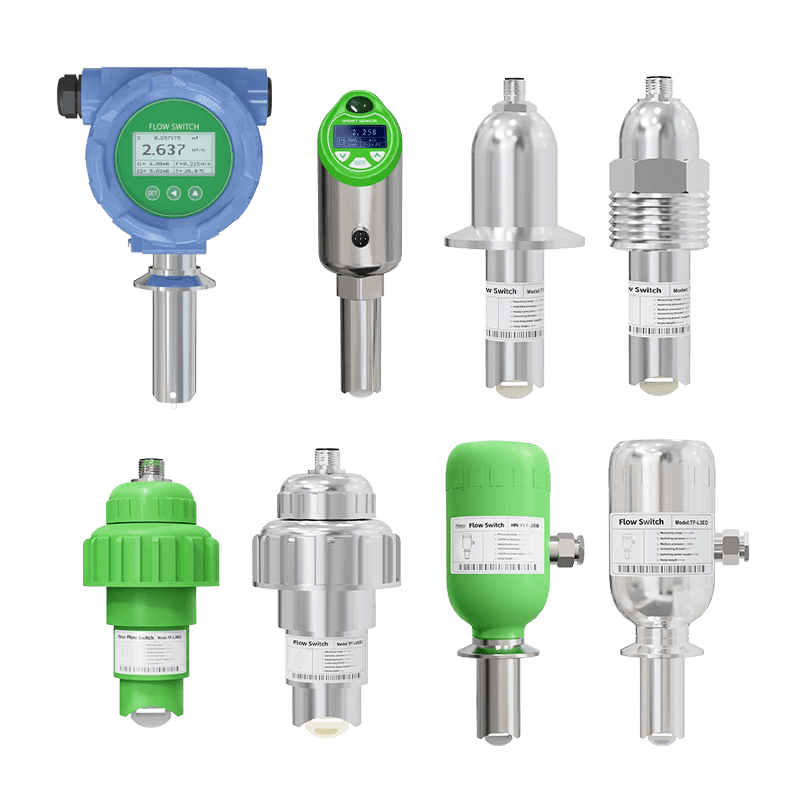
Compact temperature transmitter
In modern industrial automated production, temperature is a core parameter for controlling process quality, ensuring equipment safety, and achieving energy conservation and consumption reduction. Traditional temperature measurement equipment is bulky, has complicated wiring, weak anti-interference capabilities, and limited adaptability, making it difficult to meet the production needs of confined equipment spaces, complex working conditions, and high-precision temperature measurement.
Introduction and wiring of temperature transmitters
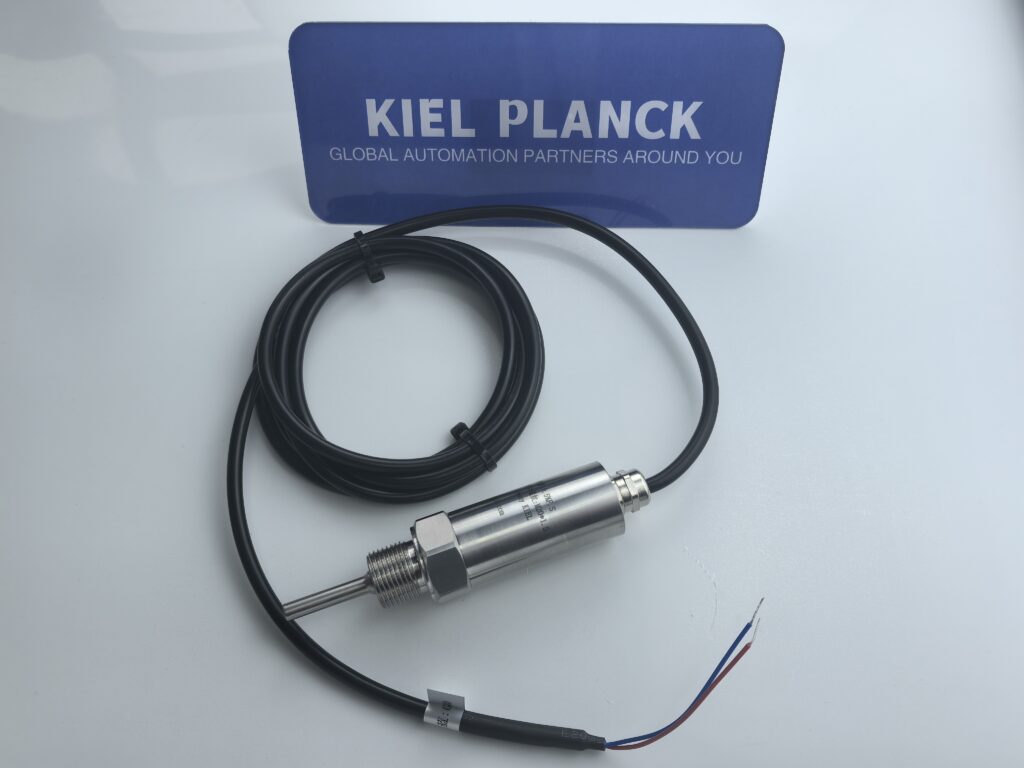
An integrated temperature transmitter consists of a resistance temperature detector (Pt100) or thermocouple sensing element, a transmitting circuit, and a protective sheath. It is a commonly used temperature measuring instrument in industrial settings.
Common Fault Causes and Maintenance Methods of Integrated Temperature Transmitters
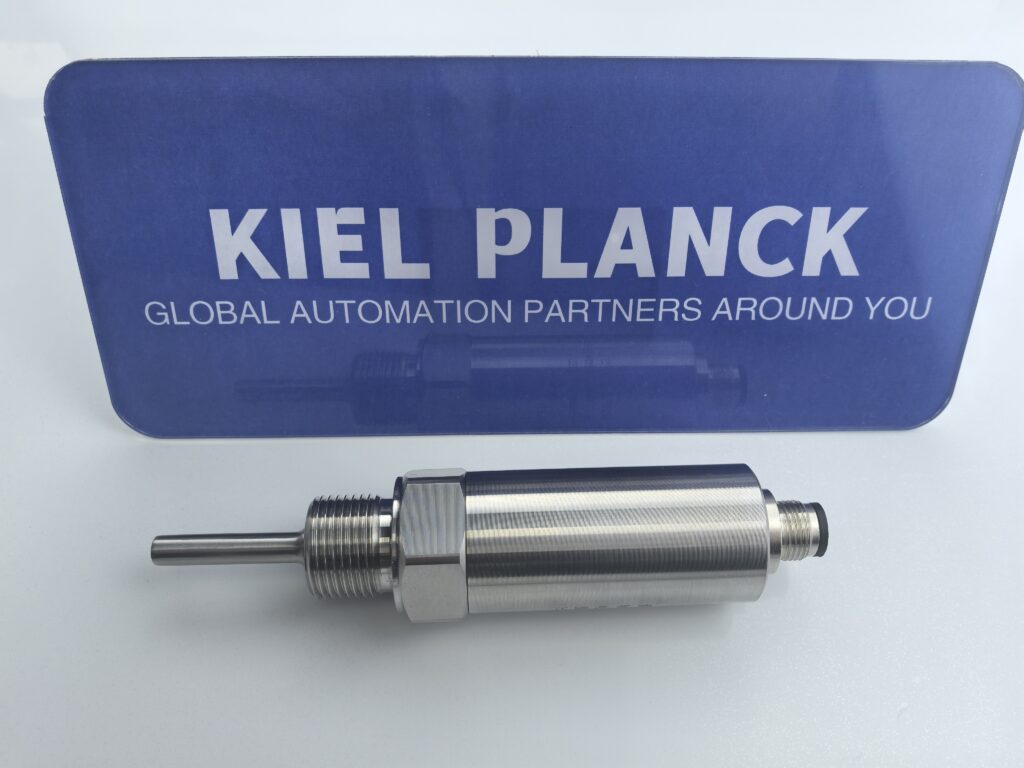
Integrated temperature transmitters combine temperature sensing elements and transmission modules, directly converting RTD and thermocouple signals into 4-20mA standard current. They are widely used in on-site temperature measurement in chemical, heating, and metallurgical industries. However, they are prone to failure due to environmental factors, wiring issues, and component aging. Proper maintenance can significantly extend their service life.

