In modern industrial automated production, temperature is a core parameter for controlling process quality, ensuring equipment safety, and achieving energy conservation and consumption reduction. Traditional temperature measurement equipment is bulky, has complicated wiring, weak anti-interference capabilities, and limited adaptability, making it difficult to meet the production needs of confined equipment spaces, complex working conditions, and high-precision temperature measurement.
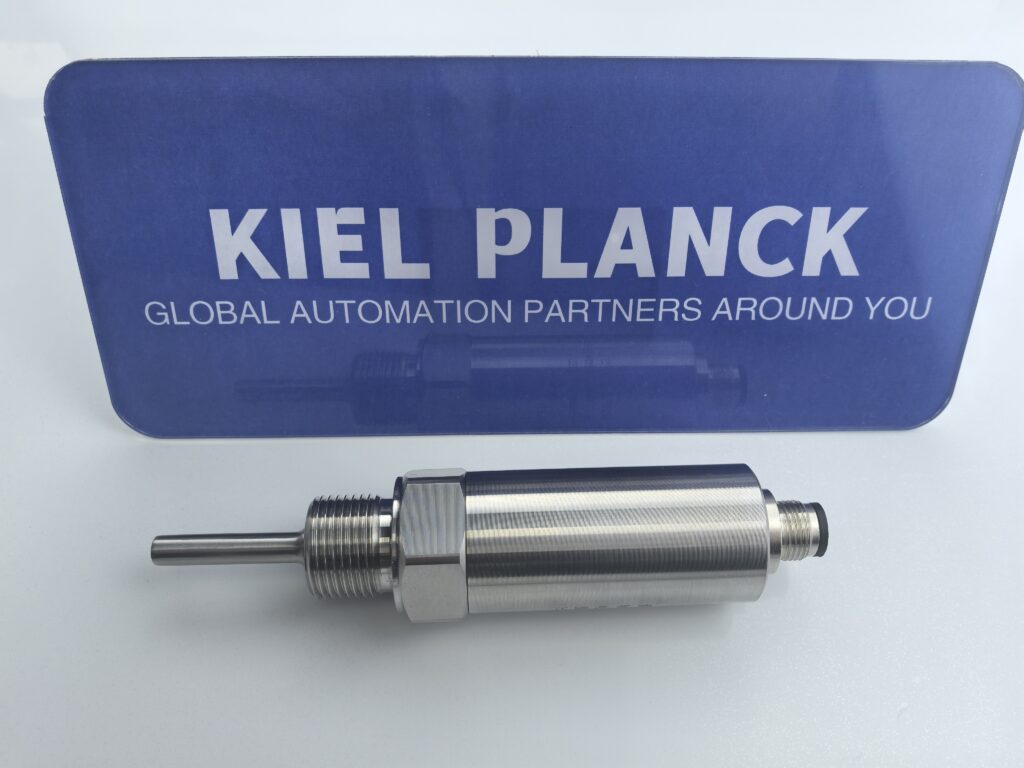
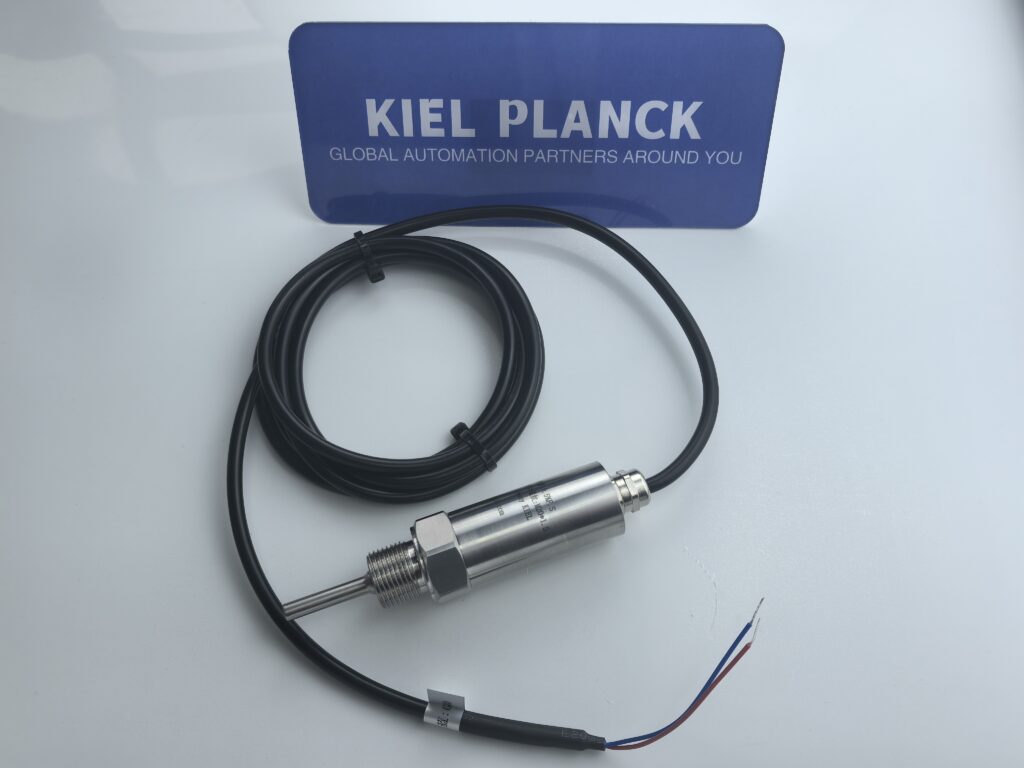
Compact temperature transmitters, as a new generation of integrated temperature measurement devices, have become the mainstream solution for precise industrial temperature measurement due to their core advantages of miniaturized structure, high-precision calculation, strong environmental adaptability, and extremely simple installation. They are widely used in chemical, power, metallurgical, food and pharmaceutical, and HVAC automation industries.
Compact temperature transmitters adopt a highly integrated design, condensing the sensor probe, high-precision signal conditioning circuit, microprocessor module, and voltage regulator circuit into a miniature housing. This eliminates the redundant structure of traditional split transmitters, reducing the device size by more than 60% and significantly reducing weight compared to traditional models. It can be directly embedded in confined spaces such as pipes, reactors, and precision equipment cavities, solving the industry pain point of limited installation for traditional equipment. The devices primarily use Pt100 platinum resistance sensing elements, with some models compatible with thermocouple sensing modes. Built-in intelligent correction algorithms automatically perform nonlinearity correction, ambient temperature compensation, and signal noise reduction, ensuring measurement accuracy from both hardware and algorithmic perspectives. The measurement accuracy under normal operating conditions can reach ±0.2℃, fully meeting the needs of precise industrial temperature control.
The core technological advantages of this equipment focus on three dimensions: accuracy, stability, and adaptability, constructing a comprehensive industrial temperature measurement system. In terms of accuracy, the equipment optimizes the signal acquisition circuit, capturing weak temperature signals and eliminating measurement errors caused by line resistance and environmental temperature drift, preventing data drift and jumps. For stability, it adopts an industrial-grade sealed protection design, providing dust and moisture protection, vibration resistance, and electromagnetic interference resistance. It can withstand magnetic field interference from equipment such as frequency converters and high-power motors, adapting to harsh industrial scenarios such as high temperature, humidity, and slight corrosion, ensuring long-term continuous operation without failure. In terms of adaptability, it uniformly outputs a 4-20mA standard analog signal, compatible with various automation systems such as PLCs, DCS, and industrial control instruments. It supports flexible two-wire and three-wire wiring without requiring modification to existing equipment wiring, offering extremely strong compatibility.
Addressing the pain points of different industrial scenarios, the compact temperature transmitter forms customized temperature measurement solutions. For pipeline fluid and small tank temperature measurement scenarios, its miniature structure fits snugly against the pipe wall, resulting in high heat exchange efficiency and fast temperature response speed, enabling real-time monitoring of medium temperature changes.
For temperature measurement of the cavity of precision electromechanical and automated equipment, there are no external redundant components, no occupation of equipment operating space, and accurate monitoring of equipment operating temperature, preventing overheating failures. For harsh working conditions such as chemical and metallurgical applications, with the addition of corrosion-resistant and high-temperature resistant protective sleeves, it can withstand acid and alkali corrosion and high and low temperature shocks, ensuring long-term stable temperature measurement. For multi-point centralized temperature measurement scenarios, the equipment can be installed in a distributed manner at multiple points, simplifying wiring and significantly reducing on-site construction complexity and equipment operation and maintenance costs.
Standardized installation and operation and maintenance are key to ensuring temperature measurement accuracy and extending equipment life. During installation, ensure that the probe is in full contact with the measured medium, avoiding suspended temperature measurement. Shielded cables are preferred for wiring, with single-end grounding, kept away from power cables to avoid electromagnetic interference, and strictly prohibit operation beyond temperature, pressure, or load limits. In daily operation and maintenance, regularly clean dust, scale, rust, and impurities from the probe surface to ensure heat exchange efficiency; regularly calibrate the zero point and range, and promptly correct measurement deviations; check the housing sealing performance, and replace aging sealing rings to prevent moisture and dust from entering and damaging the circuitry.
In summary, compact temperature transmitters, with their core advantages of miniaturization, high precision, high stability, and easy maintenance, solve many problems of traditional temperature measurement equipment, such as insufficient accuracy, limited installation, poor anti-interference, and cumbersome maintenance. They build an efficient, accurate, and reliable industrial temperature measurement system and are the core solution for modern industrial automation temperature measurement, providing a solid guarantee for precise temperature control and safe and stable operation in industrial production.
Scan the QR code to receive more detailed information.