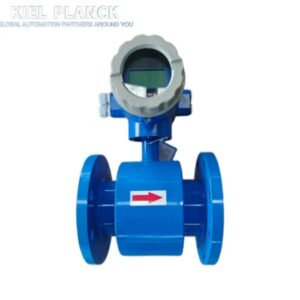
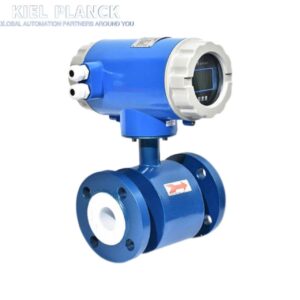
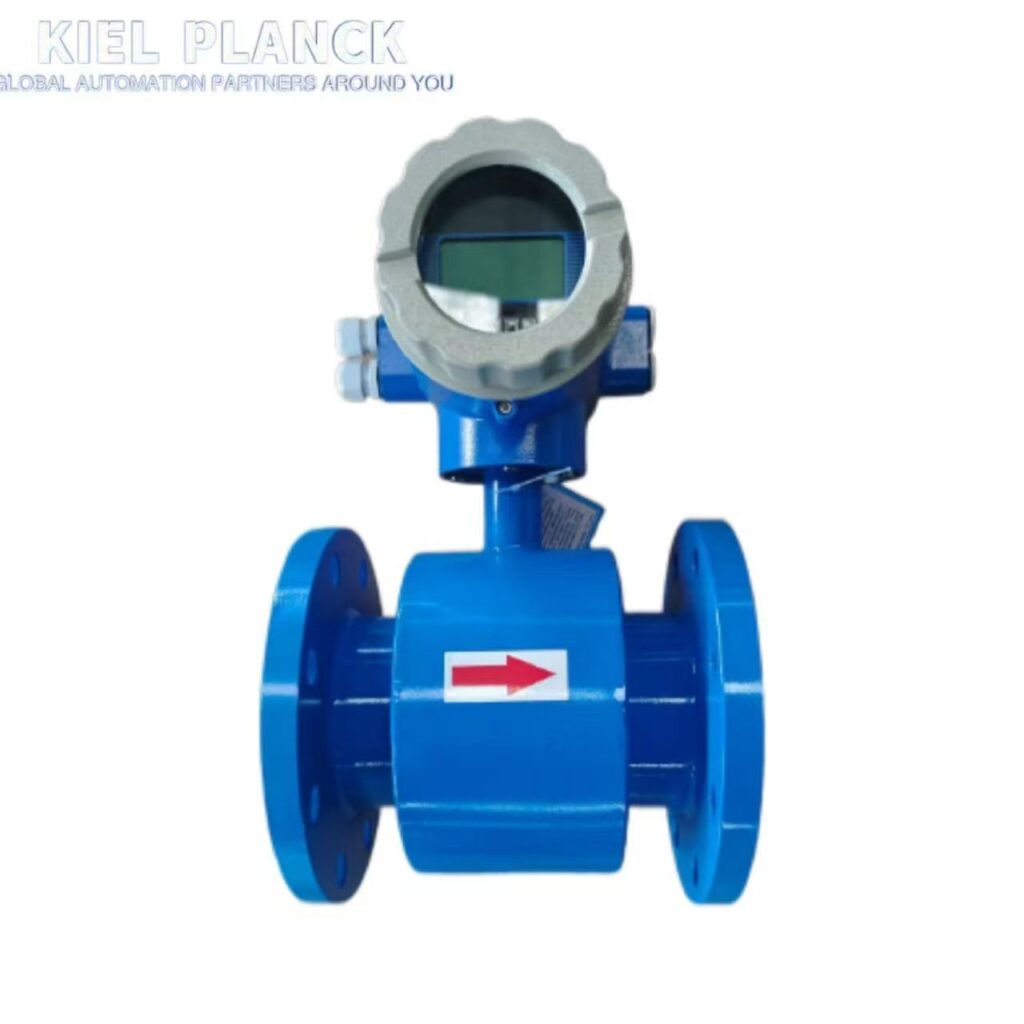
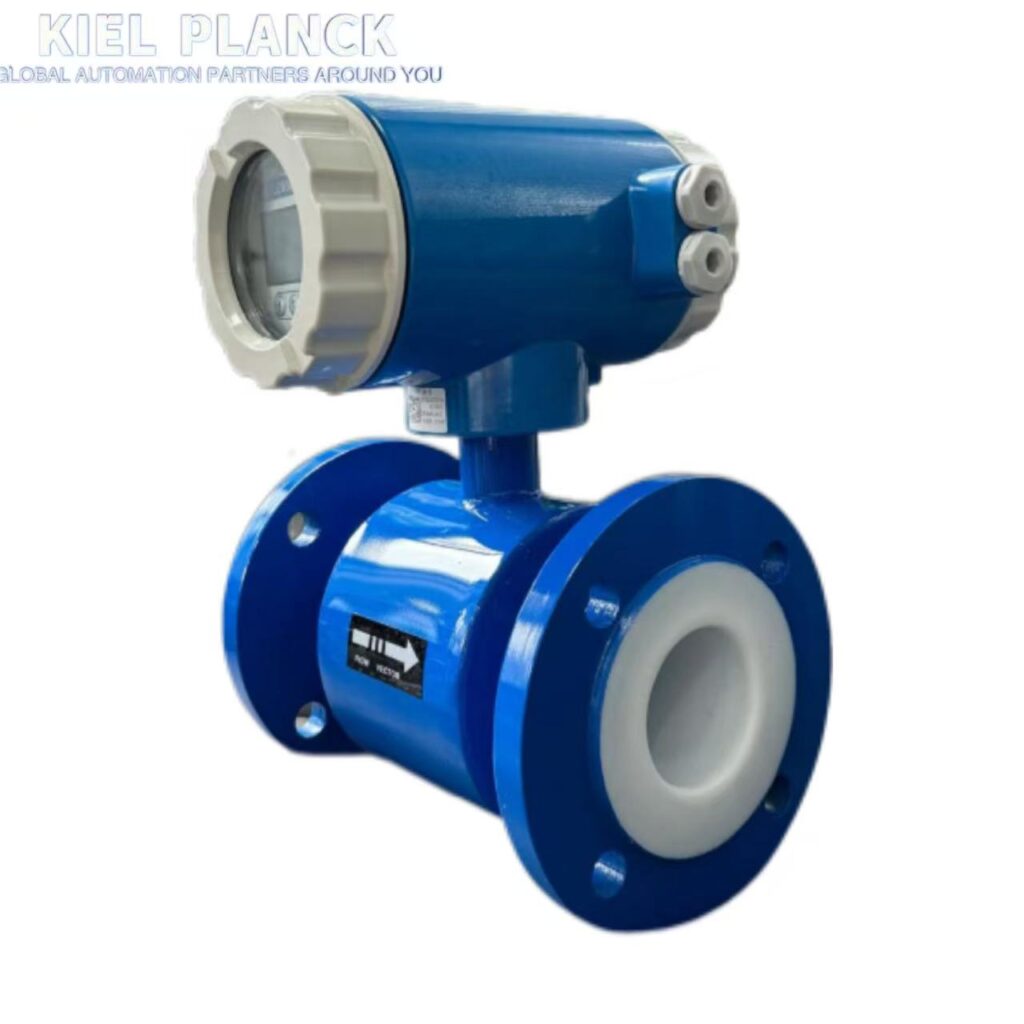
Three-electrode magmeters add a dedicated third electrode mounted at the top of the measuring tube to realize independent empty pipe detection. This extra electrode works together with the two main measuring electrodes, performing dual functions: potential reference balancing and liquid level monitoring. Many engineers confuse software-based empty pipe diagnosis on two-electrode meters with hardware three-electrode detection. This article explains the structural difference between two-electrode and three-electrode designs, the working principle of empty pipe detection, installation requirements, typical application scenarios and common false alarm causes. A three-electrode configuration greatly improves the reliability of partial-pipe diagnosis, avoids false flow output, and provides reliable alarm signals for water treatment, wastewater and chemical process pipelines where full pipe filling cannot be guaranteed.
Introduction
Electromagnetic flowmeters require the measuring tube to be completely filled with conductive liquid. When liquid level drops and air occupies part of the pipe cross-section, the continuous conductive path breaks. The weak induced voltage captured by measuring electrodes becomes mixed with heavy noise, producing unstable, random readings. This is a well-known pain point for sewage, intermittent water supply and skid systems. Traditional two-electrode magmeters judge empty pipe status by detecting abnormal impedance between the two measuring electrodes. However, this method is prone to misjudgment under low conductivity liquid, electrode scaling or signal noise.
A three-electrode electromagnetic flowmeter reserves one additional electrode installed at the 12 o’clock position inside the sensor liner. The two side electrodes remain for measuring flow velocity based on Faraday’s induction law. The top third electrode serves two core purposes. First, it acts as a reference electrode to equalize potential between liquid and transmitter, eliminating common-mode interference and reducing reliance on grounding rings, especially for non-metallic pipes such as PVC and FRP. Second, it implements hardware empty pipe detection. When liquid fully submerges this top electrode, the impedance between the third electrode and liquid stays low. Once the liquid surface falls below this electrode, the electrode contacts air, and contact impedance rises sharply by several orders of magnitude. The transmitter continuously monitors this impedance change and triggers an empty pipe alarm immediately.
The advantage of this dedicated top electrode is obvious. Two-electrode empty pipe detection judges conditions based on the flow signal itself. If the medium has low conductivity or electrodes are fouled, impedance changes may be misinterpreted as empty pipe. In contrast, the three-electrode design separates flow measurement and empty pipe sensing. The third electrode is solely responsible for detecting whether the pipe is full, so judgment logic will not be disturbed by flow fluctuation or slight scaling. Users can configure transmitter behavior upon alarm: freeze flow reading, force output to zero, activate digital alarm signal or send diagnostic information to PLC. This prevents wrong cumulative flow totals and protects downstream control logic.
Nonetheless, three-electrode empty pipe detection also has limitations and installation rules. The third electrode must be strictly installed at the highest point of the measuring tube. If the sensor is mounted tilted, liquid may cover part of the top electrode even when the pipe is half-empty, resulting in missed detection. Small air bubbles clinging to the electrode surface can temporarily raise impedance and trigger false empty pipe alarms. Therefore, high points on upstream pipelines should install air vents to release trapped gas.
Medium properties also affect detection performance. For liquid with extremely low conductivity close to magmeter minimum threshold, baseline impedance rises, which may reduce empty-pipe discrimination margin. Users need to set proper impedance threshold and delay time in transmitter parameters to filter transient bubble signals. A delay of several seconds is commonly used to avoid false alarms caused by momentary liquid level fluctuation during pump startup.
Many users question whether a three-electrode meter is always necessary. For continuously full pipelines such as closed-loop pressurized pure water systems, standard two-electrode magmeters are enough and more economical. Three-electrode models are strongly recommended for intermittent flow, gravity drainage, wastewater, slurry and skid-mounted equipment, where partial filling risk exists. Another practical benefit: the reference electrode function can replace expensive grounding rings for non-metal pipe, offsetting part of the extra hardware cost.
Common field faults include false empty pipe alarms when the pipe remains full. Typical causes are bubble adhesion, electrode scaling or coating, loose signal cable and incorrect impedance threshold setting. Troubleshooting should check whether the sensor orientation is correct first, then inspect electrode surface and air accumulation, instead of directly replacing the transmitter.
Conclusion
Three-electrode electromagnetic flowmeters integrate two measuring electrodes plus a dedicated top electrode, realizing independent empty pipe detection and liquid potential balancing. Unlike two-electrode meters that infer empty status from measuring electrode impedance, the dedicated top electrode directly monitors whether the highest point of the measuring tube is submerged, greatly improving the accuracy of partial pipe diagnosis. It prevents invalid flow readings caused by insufficient liquid filling and provides reliable alarm output. However, proper installation orientation, air vent configuration and parameter threshold tuning are required to avoid false alarms. Engineers should select three-electrode magmeters for gravity flow, intermittent liquid and wastewater pipelines with emptying risks, while choosing standard two-electrode sensors for fully pressurized, always-full process loops. Correct selection and setup ensure accurate flow measurement and reliable empty pipe protection for industrial liquid applications.
Scan the QR code to receive more detailed information.