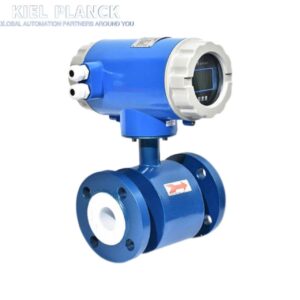
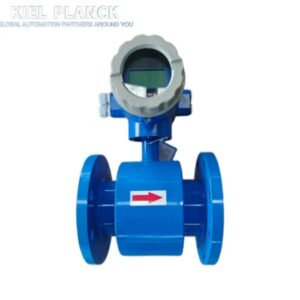
Unlike industrial flanged or threaded magmeters, sanitary tri-clamp units feature smooth internal surfaces, quick disassembly and seamless wetted components to avoid product accumulation and cross-contamination. Many users simply replace standard flowmeters with sanitary versions, yet improper gasket selection, clamping torque or liner material can create hidden hygiene risks and measurement deviations. This article introduces the structural features of tri-clamp sanitary magmeters, compares them with conventional connection styles, outlines material requirements, installation rules and cleaning considerations, and identifies typical application pitfalls. Proper selection and assembly ensure compliance with hygienic standards, simplify CIP/SIP cleaning cycles, and maintain stable flow measurement for food, pharmaceutical and biological fermentation processes.
Introduction
Standard electromagnetic flowmeters with flanged connections are widely used for wastewater and chemical water measurement, but their internal gaps, bolt cavities and uneven welds trap residual medium. These dead spaces cannot be fully cleaned, making them unsuitable for hygiene-sensitive production. Sanitary electromagnetic flowmeters adopt tri-clamp connection, also known as quick-release clamp fitting. This design uses two loose clamp halves, a centering gasket and matching ferrules on both sensor and pipeline ends. Operators can separate the meter from piping in minutes without cutting pipes or removing many bolts. This quick disassembly is the most prominent advantage for hygienic manufacturing.
The entire wetted flow tube must meet sanitary specifications. The inner surface is mechanically polished, usually Ra ≤ 0.8 μm or better, to prevent material adhesion. Weld seams are smooth and crevice-free. Common liner options are PTFE, PFA or soft rubber such as EPDM. Electrodes are polished 316L, titanium or tantalum depending on process fluid. No protruding edges, gaps or pockets exist where product residue can build up. The whole assembly supports Clean-in-Place (CIP) and Steam-in-Place (SIP), the standard automated cleaning methods used in biotech, dairy and pharmaceutical plants.
Tri-clamp connection brings unique benefits beyond fast disassembly. During product batch switching, regular inspection or manual cleaning, technicians can remove the flowmeter quickly. Compared with flanged joints, it reduces downtime significantly. In addition, tri-clamp fittings have standardized dimensions such as 1.5 inch, 2 inch, matching common sanitary pipe sizes. This interchangeability makes spare part management convenient. However, the clamp structure also has limitations. It is not designed for ultra-high pressure applications; working pressure is generally limited, and high temperature SIP cycles must be within the rated range of gaskets and liners.
Several critical details determine long-term hygiene and measurement stability. The first is gasket selection. Common sanitary gasket materials include EPDM, PTFE and silicone. Gaskets must be compatible with product media and cleaning chemicals. Aging, swelling or cracking gaskets create tiny gaps for bacterial growth. Users also need to confirm the gasket does not protrude into the flow bore; any protruding section disturbs fluid velocity profiles and causes flow reading error.
Second, installation torque control is vital. Over-tightening the clamp will squeeze the gasket excessively and deform the liner or ferrule. Too loose clamping leads to liquid leakage and loss of sterile conditions. Unlike threaded fittings, sanitary clamps require uniform tightening on both sides of the clamp assembly. Many field workers use brute force to close clamps, resulting in distorted alignment. Misaligned ferrules create steps inside the pipe, forming dead zones and disrupting flow symmetry.
Third, process and installation constraints must be considered. The flow tube must stay fully filled with liquid at all times, the basic requirement for all electromagnetic flowmeters. Air pockets in sanitary lines are still a major source of unstable readings. Mount the sensor with electrodes in the horizontal plane; avoid installing the meter vertically with downward flow unless back pressure is guaranteed. Adequate upstream and downstream straight pipe sections are still required to maintain symmetric velocity distribution, usually 5D upstream and 2~3D downstream.
Common mistakes in sanitary magmeter deployment are easy to overlook. Some buyers only focus on the clamp appearance while ignoring surface roughness and material certification. Without 3A or FDA material certificates, the meter cannot pass factory hygiene audits. Another frequent error is using industrial-grade gaskets instead of sanitary certified gaskets. Even if the flowmeter body is hygienic, a non-compliant gasket breaks the whole sanitary system. In addition, repeated high-temperature SIP cycles accelerate liner and gasket aging. Maintenance schedules must include periodic inspection and replacement of wearing parts.
Conclusion
Sanitary electromagnetic flowmeters with tri-clamp connections feature polished crevice-free flow tubes and quick-release fittings, optimized for CIP and SIP cleaning in pharmaceutical, food and bioprocess industries. They eliminate dead zones, simplify disassembly and reduce cross-contamination risks compared to flanged magmeters. Successful application depends on matching wetted materials, selecting certified sanitary gaskets and controlling clamp tightening force to avoid misalignment or gasket extrusion. Users also need to reserve required straight pipe runs and prevent air entrapment to preserve measurement accuracy. Engineers should verify hygienic material certificates and pressure-temperature ratings instead of judging sanitary performance only by connection type. Proper specification and assembly deliver reliable flow measurement while meeting strict hygiene requirements for sanitary production lines.
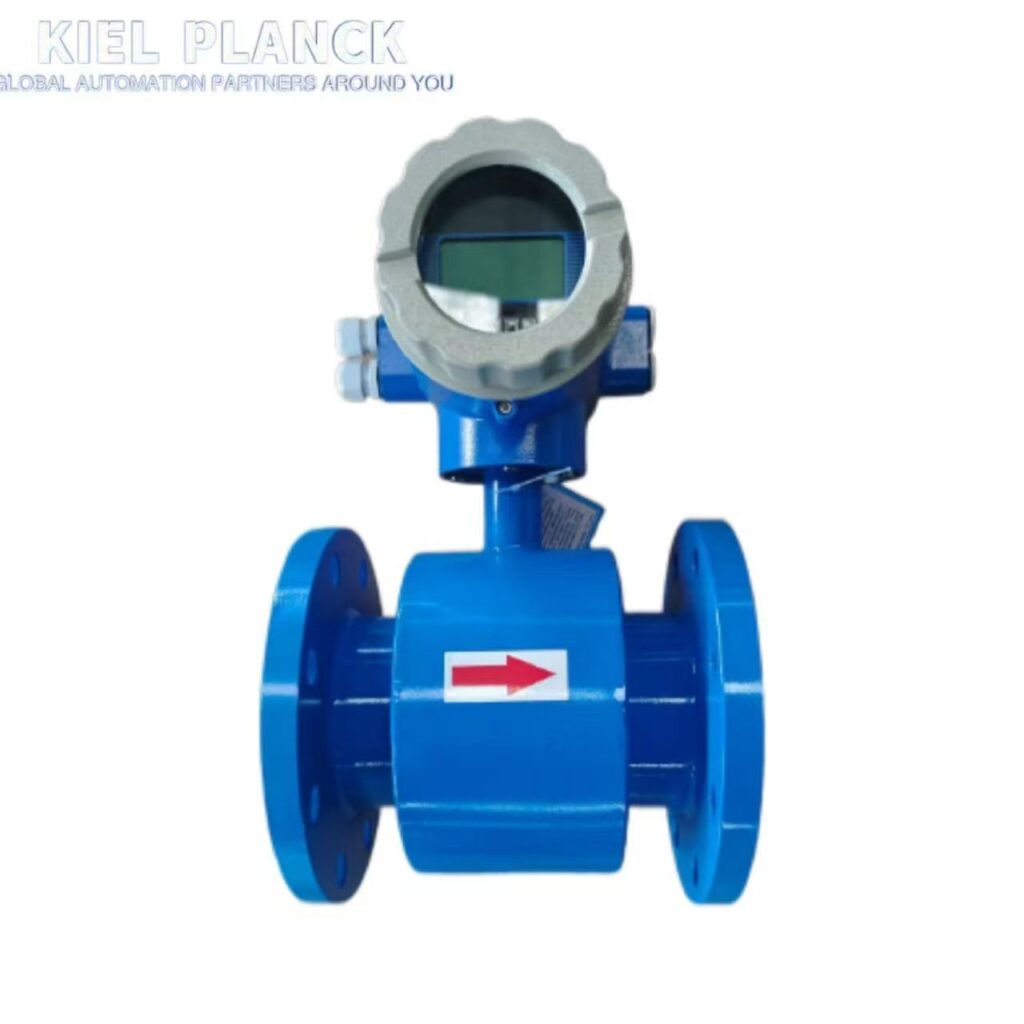
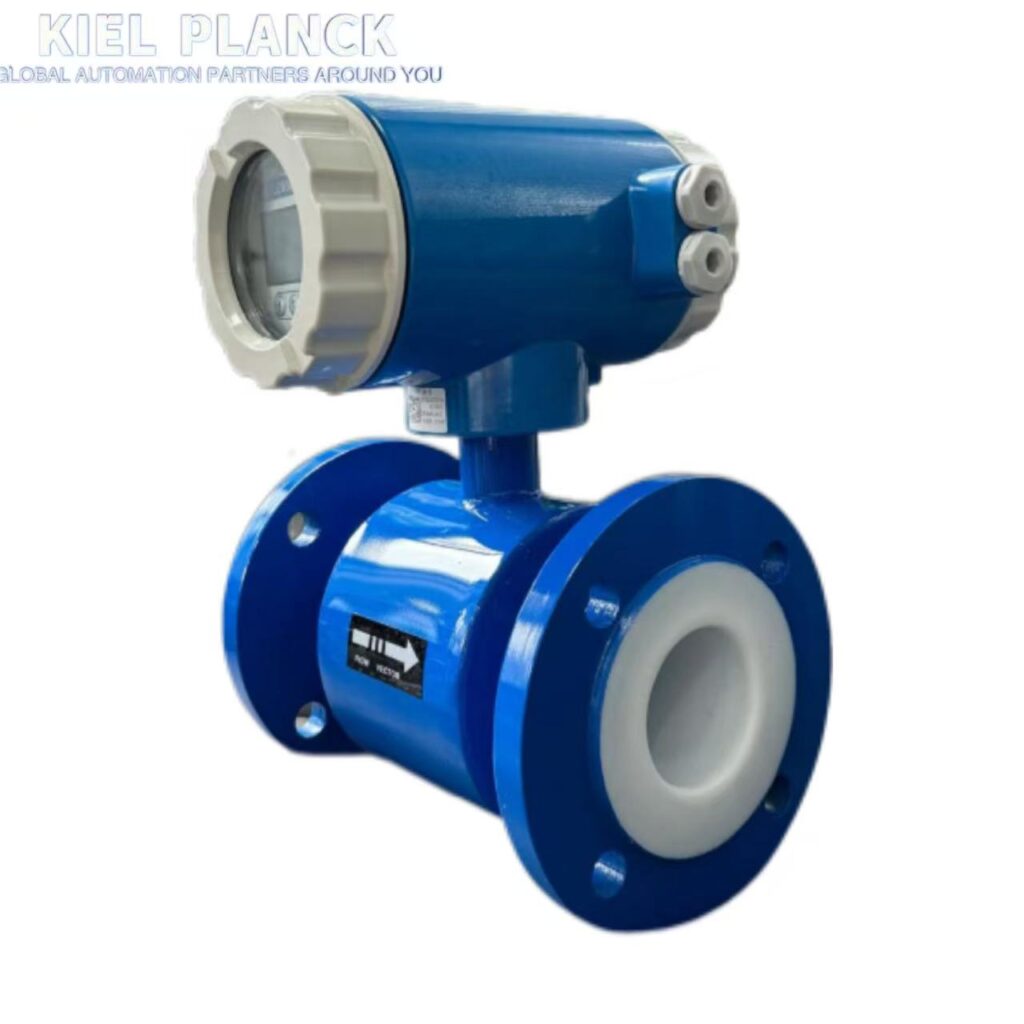
Scan the QR code to receive more detailed information.