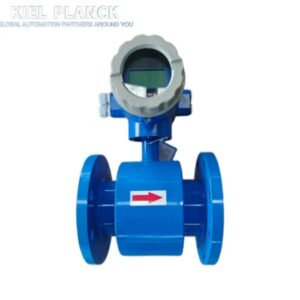
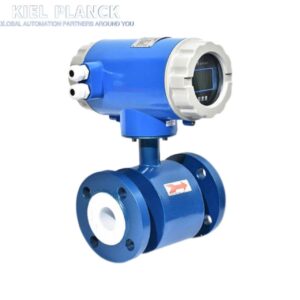
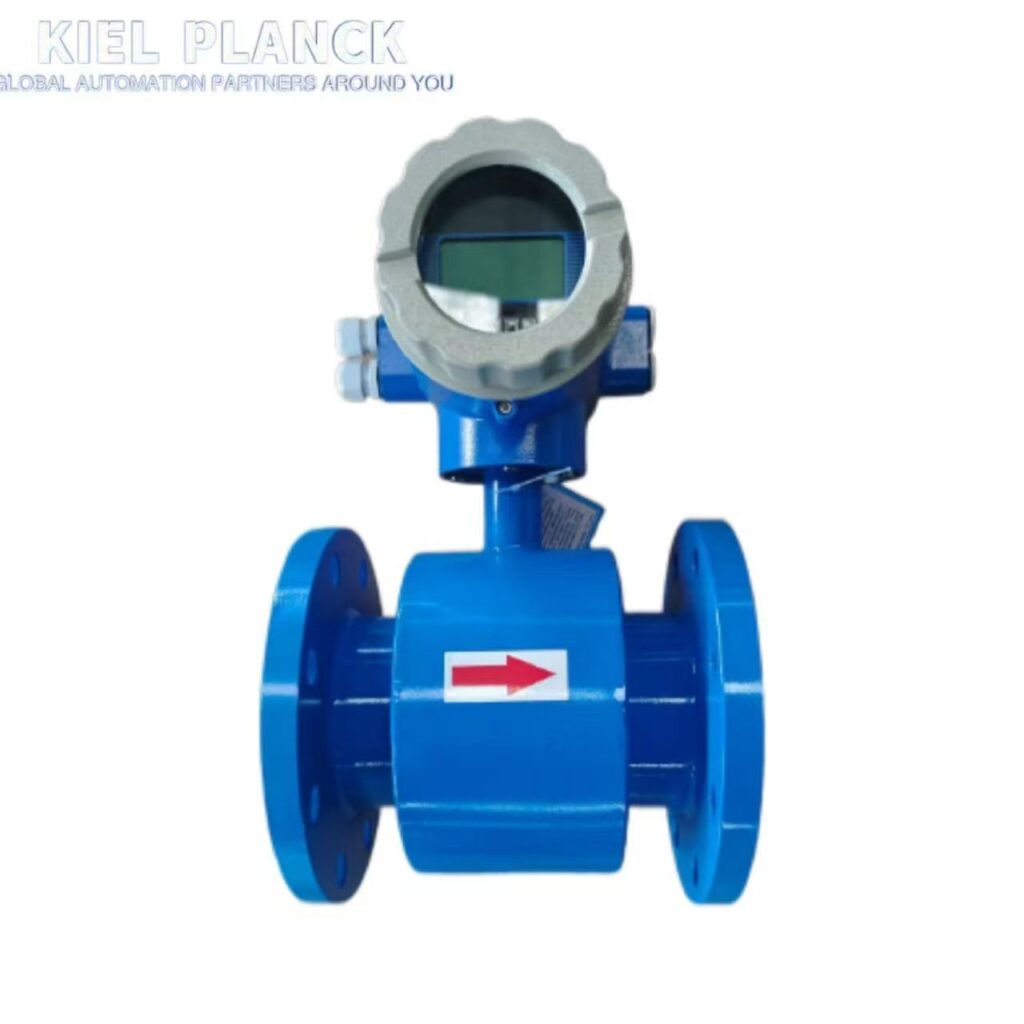
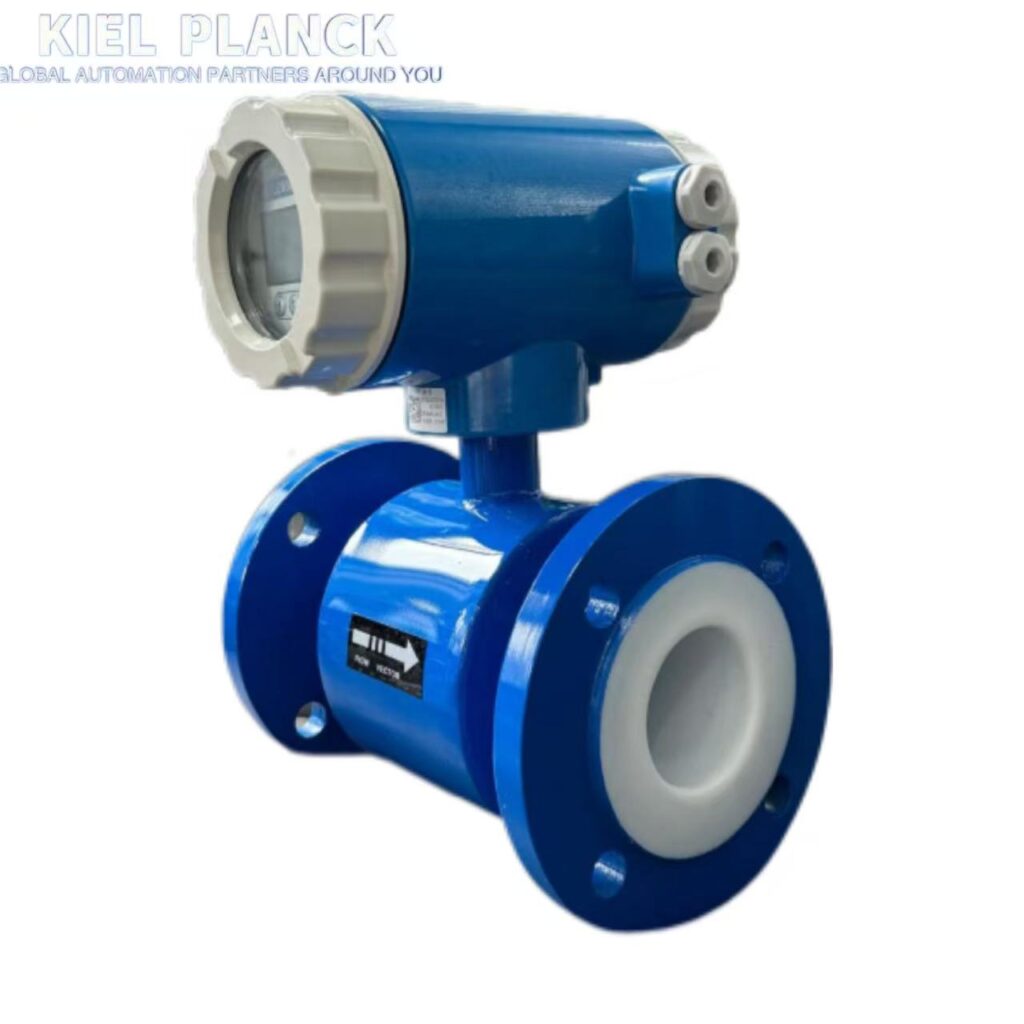
The four most common electrode options are 316L stainless steel, titanium (Ti), tantalum (Ta), and platinum-iridium (Pt-Ir). Many engineers simply pick 316L for most projects and only switch materials after corrosion failure occurs. Each electrode grade has unique chemical tolerance, mechanical characteristics and price levels. Mismatched electrode material will lead to surface pitting, passivation film degradation, signal noise, drifting readings or electrode fracture. This article compares the properties and applicable media of 316L, titanium, tantalum and platinum-iridium electrodes, lists typical chemical service boundaries, analyzes cost differences, and provides practical selection guidelines. Proper electrode material matching prevents premature instrument damage, maintains stable signal contact between electrodes and process liquid, and reduces maintenance and replacement costs for industrial fluid measurement.
Introduction
Electromagnetic flowmeters detect tiny induced voltage through electrodes in direct contact with process fluids. Unlike the protective liner covering most of the pipe wall, electrodes are exposed directly to the measured medium. Corrosion, oxidation or chemical attack on electrode surfaces increases contact resistance, distorts the weak flow signal and causes unstable or erroneous readings. Severe corrosion will create pinholes and leakage, forcing early meter replacement. Therefore, material selection cannot rely only on general experience; it must match the exact fluid composition, concentration, temperature and pH value.
316L stainless steel is the standard and most economical electrode choice. It is low-carbon austenitic stainless steel, with good general corrosion resistance for clean water, weak acids and neutral aqueous solutions. It performs reliably in tap water, cooling water, low-concentration phosphoric acid and many general wastewater systems. However, 316L cannot handle chloride ions at high temperature or high concentration. Chloride causes pitting corrosion, especially under elevated temperature. Strong oxidizing acids such as concentrated nitric acid, or fluoride-containing liquids will also attack 316L electrodes. It is the default selection for non-corrosive neutral water applications to control project budget.
Titanium electrodes offer better resistance than 316L. Titanium spontaneously forms a dense, stable oxide film when exposed to oxygen or water, protecting the base metal. It works well in salt water, seawater and moderate chloride-containing media, resisting chloride pitting that damages 316L. Titanium also suits wet chlorine and many organic acids. Still, titanium has limitations: hydrofluoric acid and concentrated reducing acids will destroy its protective oxide layer. It is widely selected for brine, seawater desalination and brackish water measurement, representing a mid-cost upgrade from 316L.
Tantalum electrodes provide outstanding corrosion resistance, close to glass. Tantalum forms a highly stable passive oxide layer and withstands most strong acids including hydrochloric acid, sulfuric acid and nitric acid across a wide temperature range. It resists chloride attack and many corrosive chemical solutions. Tantalum’s main weakness is strong alkaline solutions and hydrofluoric acid, which will corrode it rapidly. Compared with titanium, tantalum has much stronger resistance to reducing acids. It is commonly used in chemical plants for concentrated acid and highly corrosive wastewater. The price of tantalum is significantly higher than titanium and 316L, so it is reserved for harsh chemical working conditions.
Platinum-iridium alloy electrodes are the premium option. Platinum is chemically inert, and adding iridium improves mechanical strength and wear resistance. Pt-Ir withstands almost all oxidizing and corrosive media, including strong acids, chlorine and many aggressive chemical mixtures. It has excellent stability at high temperature and rarely forms insulating passive films that interfere with signal transmission. It is ideal for high-purity chemicals, strong oxidizing liquids and pharmaceutical process fluids. The main drawback is its very high material cost, which limits its use only to critical high-value processes. It is not cost-effective for general water applications.
Several practical selection principles should be followed. First, confirm the full fluid condition including chemical composition, concentration, temperature and pH. Second, check for halide ions such as chlorides and fluorides, which are common causes of electrode failure. Third, evaluate abrasion: solid particles in liquid may wear electrode surfaces, requiring harder material. Fourth, balance performance and budget: do not over-specify expensive tantalum or Pt-Ir electrodes for ordinary clean water, but never use 316L in high-chloride corrosive environments.
A common site mistake is selecting electrodes based only on room-temperature chemical tables. Corrosion rates accelerate sharply as temperature rises. A material stable at 25°C may fail quickly at 80°C. Users also need to consider intermittent exposure, cleaning cycles and chemical shock dosing, which can damage passive films. Even with the correct material, coating or scaling on electrode surfaces will still cause signal drift and fluctuation.
Conclusion
316L, titanium, tantalum and platinum-iridium electromagnetic flowmeter electrodes are tiered by corrosion resistance and cost. 316L suits neutral clean water and mild media with low chloride content. Titanium is chosen for seawater and brine with moderate chloride. Tantalum handles most strong corrosive acids except hydrofluoric acid and strong alkalis. Platinum-iridium provides supreme chemical inertness for critical high-purity and strongly oxidizing fluids, at the highest cost. Engineers must evaluate fluid composition, ion concentration and operating temperature instead of choosing electrodes by habit. Matching electrode material to process conditions protects the sensing surface, stabilizes measurement signals and extends service life of electromagnetic flowmeters in water treatment and chemical industrial applications.
Scan the QR code to receive more detailed information.