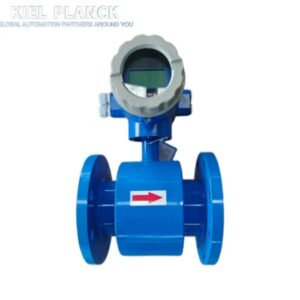
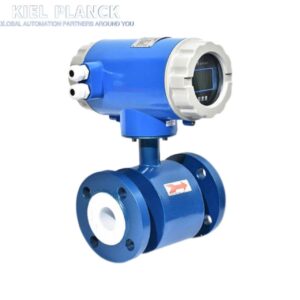
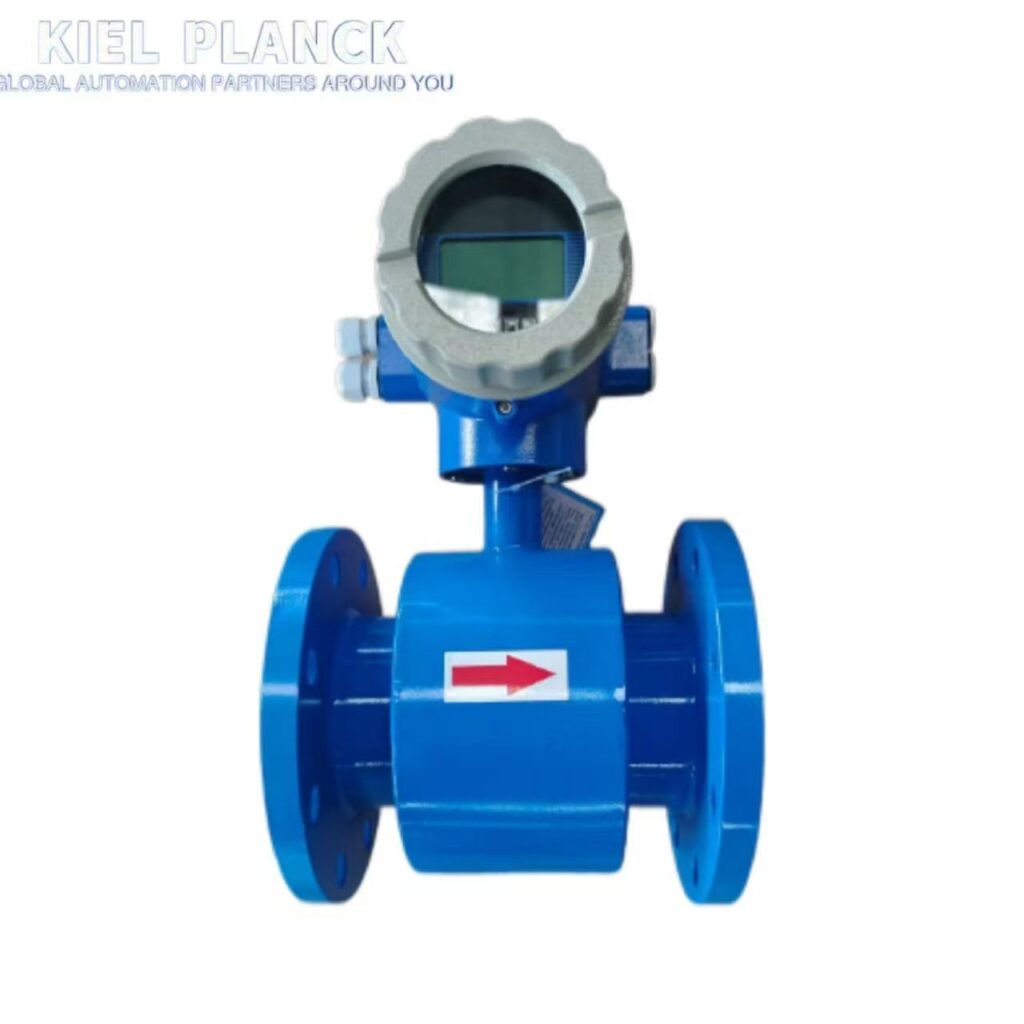
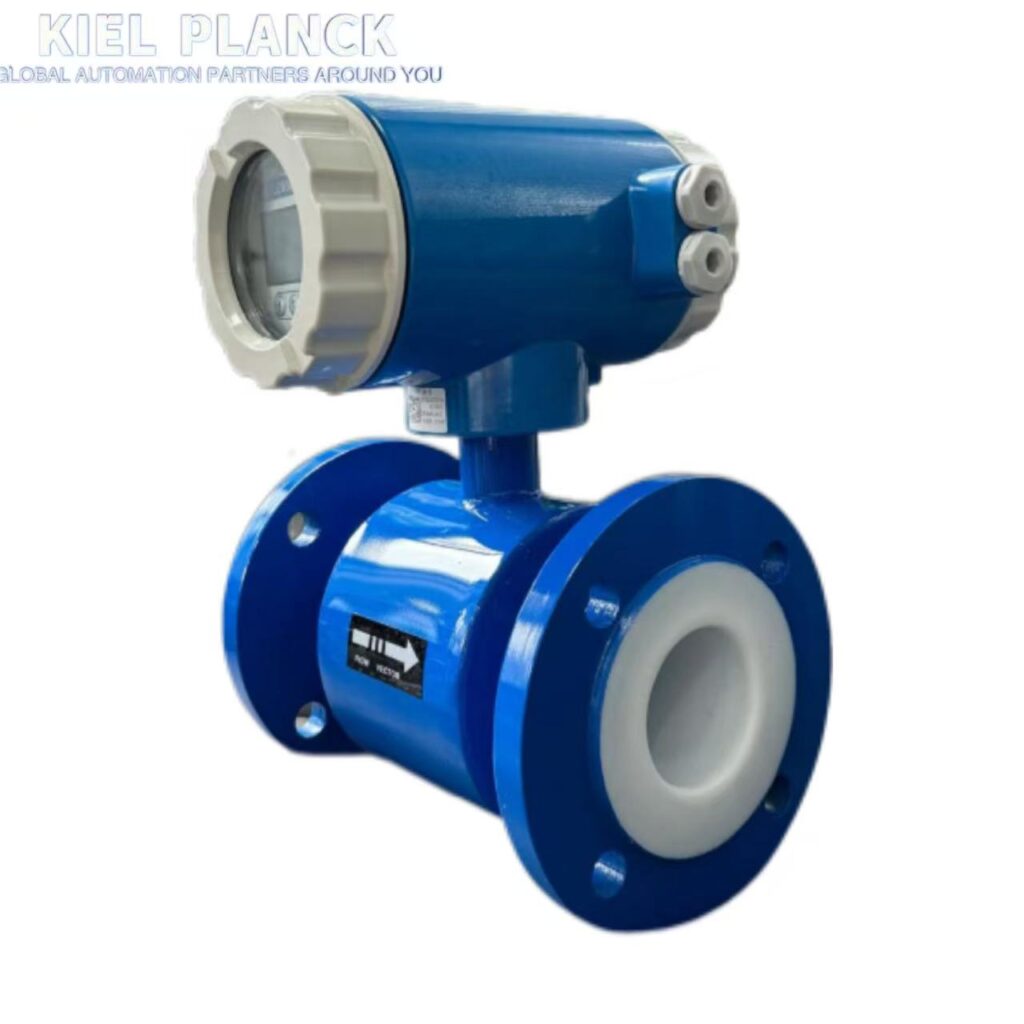
Many technicians immediately suspect meter hardware failure and replace the sensor, yet the problem often persists after installation. In most cases, the root causes lie not in the instrument itself but in the liquid medium, piping layout, grounding, electrical interference or installation conditions. This article analyses five major sources of unstable magmeter readings: insufficient liquid conductivity, air bubbles and empty-pipe conditions, electromagnetic interference, poor grounding and improper electrode contamination, and unstable straight-pipe flow conditions. It explains the mechanism behind each factor and provides practical troubleshooting and prevention measures. Systematic diagnosis helps maintenance teams locate the real cause quickly, avoid unnecessary instrument replacement, and restore stable, accurate flow measurement in water treatment and industrial process systems.
Introduction
Electromagnetic flowmeters measure volumetric flow by applying a magnetic field across a conductive liquid and detecting the weak induced voltage generated as the liquid moves. Because the induced signal is extremely small, the measurement is highly sensitive to the conductivity of the medium, the continuity of the liquid column and the stability of the surrounding electrical environment. When readings fluctuate, the disturbance usually enters through one of these sensitive pathways rather than through a sudden hardware breakdown.
Before suspecting the meter itself, operators should rule out several installation and process factors. These factors are often neglected during commissioning and only reveal themselves during long-term operation. Identifying them systematically saves significant troubleshooting effort.
The first major source is insufficient or variable liquid conductivity. Electromagnetic flowmeters require the medium to reach a minimum conductivity, typically above 5 to 20 μS/cm depending on the model. When conductivity drops near the threshold, the induced signal weakens and noise interference becomes proportionally stronger, producing jumping readings. Conductivity may also vary with temperature, water quality changes or chemical dosing. If the liquid conductivity fluctuates during operation, the output will fluctuate correspondingly. Measuring the actual conductivity at the working temperature helps determine whether the meter selection is adequate.
The second source is air bubbles and partially filled pipe conditions. Bubbles in the liquid break the continuous conductive path and interrupt the induced signal, causing sudden downward spikes or rapid fluctuation. This is especially common in purified water systems, hot water loops and pipelines with insufficient back pressure. Similarly, if the pipe is not fully filled, the upper portion of the electrode plane is exposed to air, and the meter output becomes unstable or locks at a wrong value. The pipe should remain completely filled at all times, and air release points should be installed at high spots. Fluctuation symptoms caused by bubbles usually appear intermittently and often correlate with pump start-up, valve opening or system refilling.
The third source is electromagnetic interference. Inverters, variable-frequency drives, solenoid valves and large motors generate strong electromagnetic noise. If the signal cable is routed alongside power cables, shares the same duct or lacks proper shielding, the noise couples into the tiny induced voltage and causes readings to jump. Poor shielding integrity of the signal wire, damaged cable jackets or loose terminal connections aggravate the problem. Separating signal wiring from power wiring, using twisted shielded cable and grounding one end of the shield correctly are essential countermeasures.
The fourth source is poor grounding and electrode contamination. Electromagnetic flowmeters rely on reliable grounding to maintain a stable reference potential. Improper grounding creates potential differences that introduce interference and drift. Electrode contamination is another hidden cause. Scaling, oil film deposition or particle adhesion on the electrode surface changes the effective sensing area and contact resistance, leading to gradually worsening instability. This often develops slowly over weeks and is mistaken for sensor aging. Regular electrode cleaning, proper liner selection and maintaining adequate flow velocity to prevent deposition help mitigate this problem.
The fifth source is unstable flow conditions caused by insufficient straight pipe or upstream disturbances. When the pipe layout lacks the required straight sections, or strong swirl is generated by double elbows, pumps or partially closed valves, the velocity profile becomes asymmetric and unsteady. The meter then produces fluctuating readings even with a perfectly healthy instrument. Verifying that the required upstream straight pipe length (generally 5D to 10D) is met, or installing a flow conditioner, resolves this issue.
Troubleshooting should follow a logical sequence. First verify the pipe is full and the liquid is conductive. Then inspect grounding and shielding. Next check electrode condition and flow stability. Only after ruling out all these external factors should hardware faults be considered. Many installers spend excessive time replacing meters when a grounding wire or a bubble source was the actual culprit.
Conclusion
Fluctuating electromagnetic flowmeter readings are usually caused by external process and installation factors rather than instrument failure. The five most common sources are low or varying liquid conductivity, air bubbles and partially filled pipes, electromagnetic interference, poor grounding and electrode contamination, and unstable flow caused by inadequate straight pipe sections. Because the induced measurement signal is extremely weak, even small disturbances in the medium, piping or electrical environment can produce visible output instability. Technicians should check liquid fill and conductivity first, then grounding and shielding, and finally electrode and flow conditions before considering hardware replacement. Applying these preventive measures and systematic diagnostics restores stable measurement, reduces downtime and avoids unnecessary instrument procurement for water treatment and industrial flow monitoring systems.
Scan the QR code to receive more detailed information.