

Sanitary Electromagnetic Flowmeter with Tri-Clamp Connection
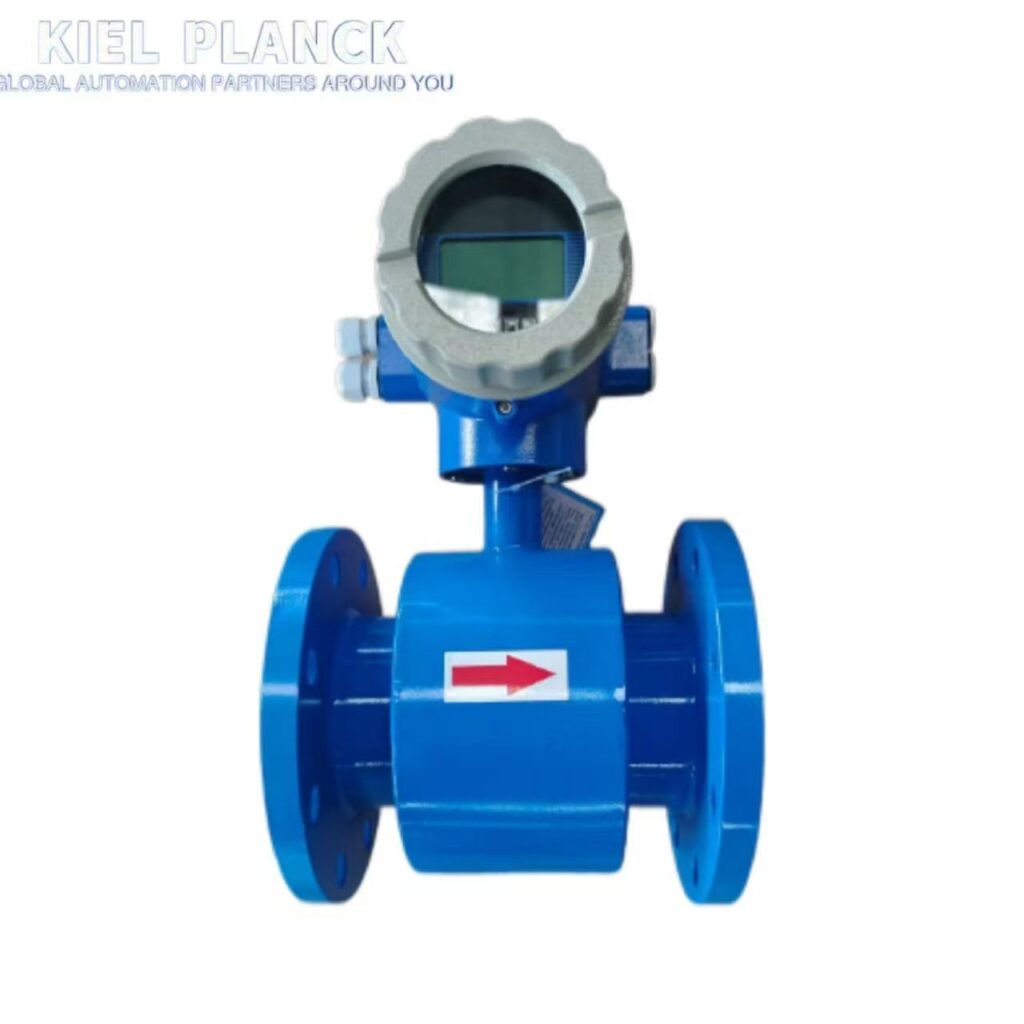
anitary electromagnetic flowmeters with tri-clamp (hygienic clamp) connections are specially designed for food, beverage, pharmaceutical and biotech production lines, where cleanability and zero dead volume become core requirements.
Battery-Powered Split-Type Electromagnetic Flowmeter
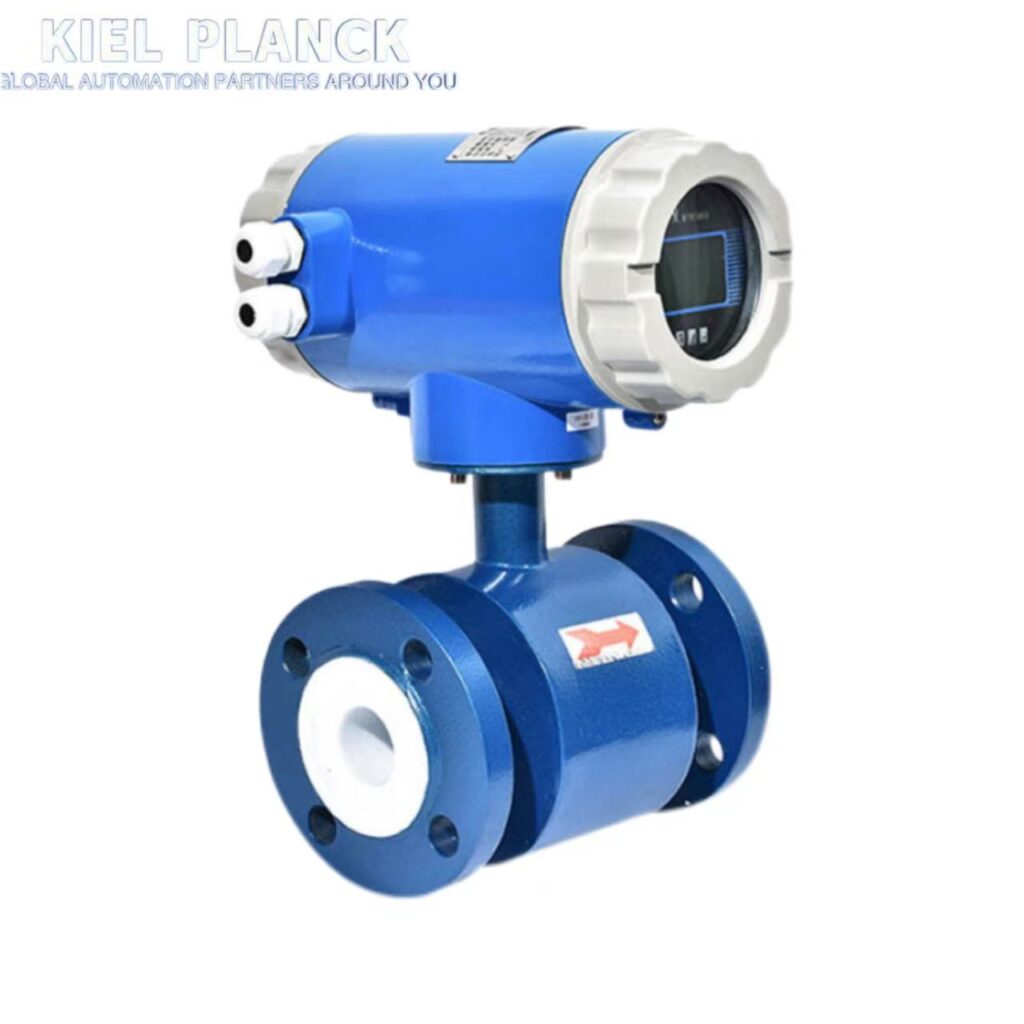
Split-type electromagnetic flowmeters separate the sensor and converter into two independent units connected by signal cables. The battery-powered variant eliminates the requirement for continuous 24V DC mains power supply, making it suitable for remote sites without power infrastructure
Three-Electrode Electromagnetic Flowmeter and Empty Pipe Detection
andard two-electrode electromagnetic flowmeters rely on the conductive liquid column to generate flow signals. If the pipeline is partially filled, readings jump randomly and cause billing or process control errors.
Electromagnetic Flowmeter Electrodes: 316L, Titanium, Tantalum and Platinum-Iridium
Electrode material selection is critical for electromagnetic flowmeters, directly determining corrosion resistance, service life and measurement stability. The four most common electrode options are 316L stainless steel, titanium (Ti), tantalum (Ta), and platinum-iridium (Pt-Ir)
Electromagnetic Flowmeter: Why Do Readings Fluctuate Up and Down
Fluctuating readings are one of the most frequent field complaints for electromagnetic flowmeters (magmeters). Operators observe the displayed flow value jumping up and down or drifting irregularly even when the actual process flow remains steady. Many technicians immediately suspect meter hardware failure and replace the sensor, yet the problem often persists after installation.
Straight Pipe Requirements for Electromagnetic Flowmeters: How Many Diameters Upstream and Downstream
Electromagnetic flowmeters (magmeters) rely on a fully developed, symmetric flow velocity profile to maintain rated measurement accuracy. Insufficient straight pipe runs before and after the sensor distort flow distribution, introducing large measurement deviations that are often mistaken for instrument defects.
Can Electromagnetic Flowmeters Measure Pure Water?
lectromagnetic flowmeters, or magmeters, are widely used for conductive liquid flow measurement in industrial processes. A common question from design and maintenance engineers is whether they can measure pure water, including deionized water, distilled water and reverse-osmosis purified water.

