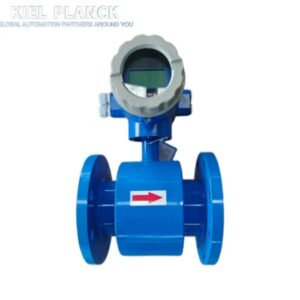
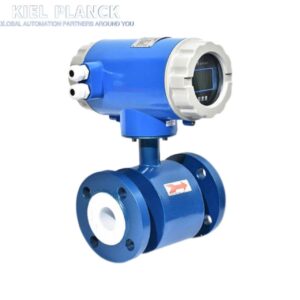
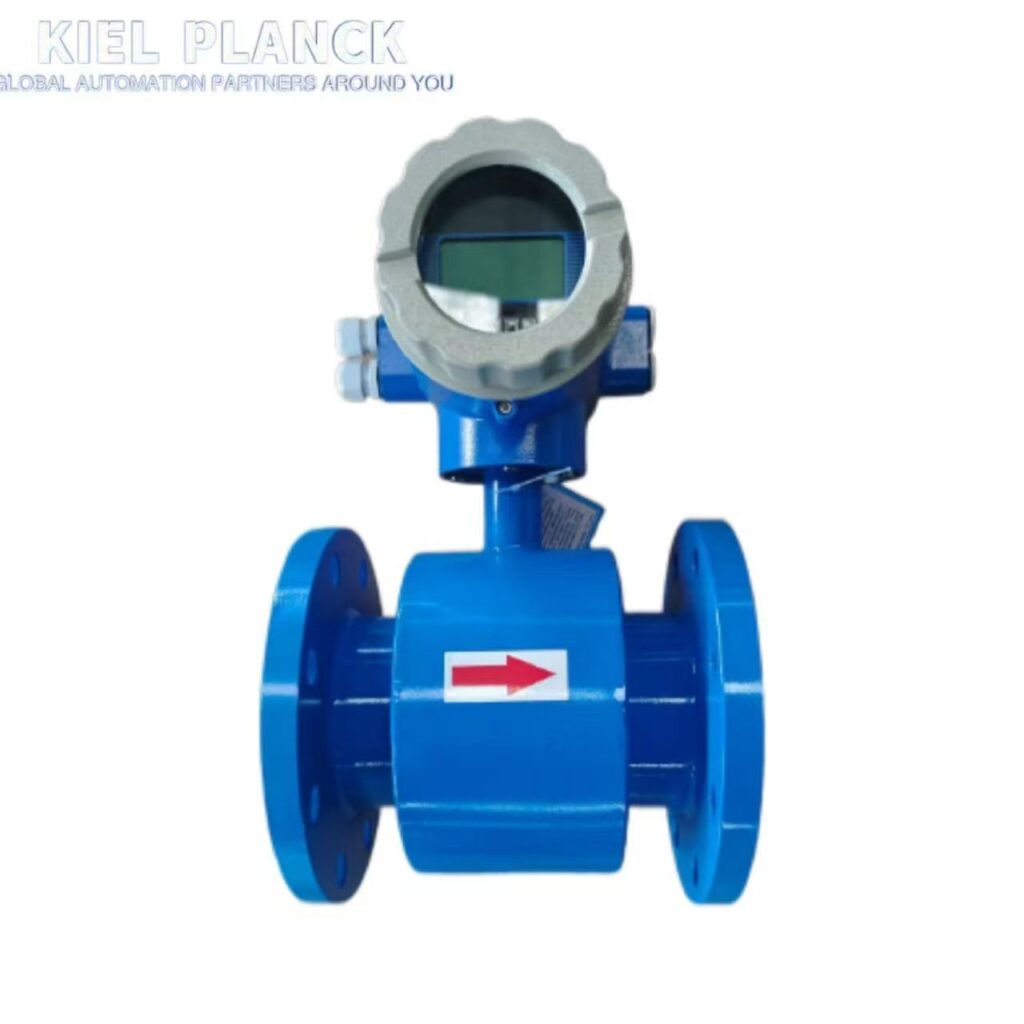
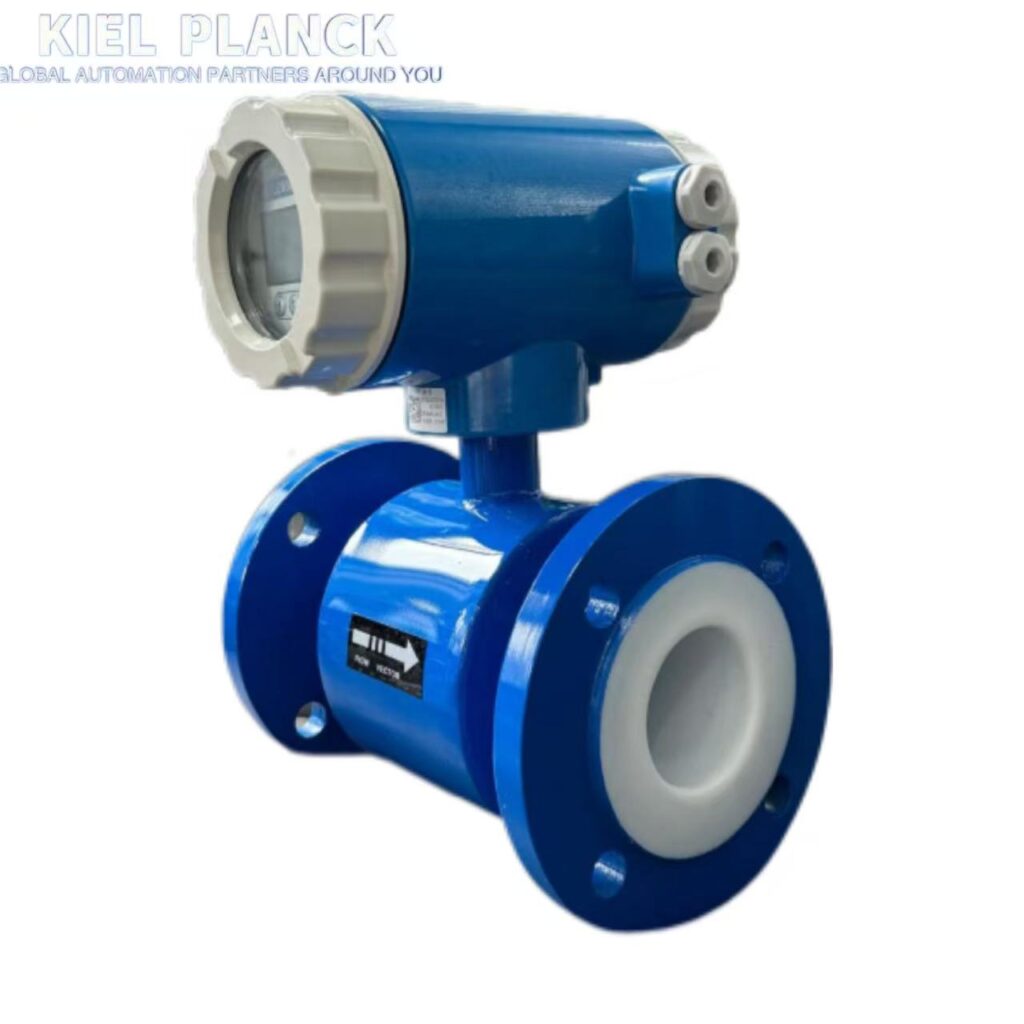
. Many engineers assume battery-powered magmeters have identical performance to wired AC/DC powered models, but power constraints impose unique limits on measurement update rate, coil excitation mode and signal processing. This article introduces the structural characteristics of battery-powered split electromagnetic flowmeters, analyzes power-saving working principles, applicable scenarios, core limitations, cable specification requirements and common field faults. It also compares them with integrated wired magmeters. Proper selection and cable installation avoid frequent battery depletion and unstable readings, delivering reliable flow measurement for water distribution, rural water supply, remote wastewater monitoring and unattended pipeline stations.
Introduction
Traditional electromagnetic flowmeters need continuous external power to drive magnetic field coils and signal conversion circuits. In many remote field sites such as rural water pipelines, mountain water diversion projects and isolated drainage stations, running power cables to the meter location brings high construction and material costs. Split-type magmeters physically separate the flow sensor installed on the pipeline and the converter placed in an accessible cabinet. When equipped with battery power, the converter operates without grid power, which solves the power supply problem for unmanned remote measuring points.
The split structure has inherent advantages. The sensor is mounted directly on the process pipe while the battery-powered converter can be installed hundreds of meters away in a dry, protected cabinet. This protects the electronic components and battery pack from pipe vibration, high medium temperature and harsh on-site environments. Long cables connect the measuring electrodes and excitation coils between sensor and converter. However, battery operation introduces strict energy limits. To extend battery life, battery-powered magmeters adopt low-frequency pulsed excitation instead of the high-frequency continuous excitation used in wired models. The coil only generates magnetic field periodically, not continuously. This greatly cuts power consumption, yet it lowers the meter’s response speed and real-time dynamic performance.
Battery life is the primary concern. Service life depends on flow update frequency and battery capacity. Typical designs use lithium battery packs. If set to a slow refresh rate such as once every several seconds, the battery can last 3 to 6 years. If users increase the sampling frequency to track rapid flow changes, power consumption rises sharply and battery life may drop below 12 months. Operators must balance response speed and battery longevity during configuration. Battery-powered magmeters are mainly designed for steady flow monitoring and totalization; they are not ideal for fast fluctuating flow or closed-loop control requiring high-speed signal feedback.
Cable requirements for split battery-powered magmeters must not be overlooked. Two groups of cables are required: electrode signal cable and excitation coil cable. The electrode signal carries extremely weak induced voltage and needs shielded twisted-pair wire. The cable length limit is defined by the manufacturer, usually within 100m to 500m. Too long or poor-quality cables increase signal attenuation and noise pickup, causing unstable readings. Signal cables and power/excitation cables must be routed separately to prevent electromagnetic interference. Damaged cable insulation or wet terminal boxes are common failure points in outdoor remote installations.
There are clear suitable and unsuitable application scenarios. Battery-powered split magmeters excel at unattended remote water pipelines, water supply metering, groundwater monitoring and low-fluctuation wastewater discharge measurement. These applications focus on flow totalization and periodic data logging instead of fast dynamic control. On the other hand, they are not recommended for chemical processes with rapidly changing flow, slurry with heavy abrasion, or sites requiring high-frequency control signals. Frequent large flow variations will shorten battery life and reduce measurement stability.
Common field issues include premature battery drain and drifting flow readings. Many users mistakenly configure fast sampling rates at the factory setting stage. High humidity and extreme temperature also accelerate lithium battery self-discharge. Low battery voltage will weaken coil excitation strength and gradually increase measurement error. The converter usually includes a low-battery warning output. Maintenance teams should regularly check battery status and prepare replacement plans before voltage drops below the operating threshold. Another typical error is mixing cable types or extending cables beyond the maximum permitted length, which introduces noise and signal loss.
Conclusion
Battery-powered split-type electromagnetic flowmeters separate the pipeline-mounted sensor and cabinet-installed converter, adopting low-frequency pulsed excitation to reduce power draw and enable operation from lithium batteries without external mains supply. They are ideal for remote, off-grid water metering and unattended monitoring where laying power cables is impractical. However, low power consumption limits sampling speed, so these meters suit steady flow totalization rather than high-speed dynamic control. Installation must follow strict cable specifications for shielding, separation and maximum transmission distance. Engineers need to balance sampling frequency and battery service life, and schedule periodic battery inspection. Correct deployment provides cost-effective flow measurement for remote water supply and drainage pipelines, avoiding expensive power line construction while maintaining reliable flow accumulation.
Scan the QR code to receive more detailed information.