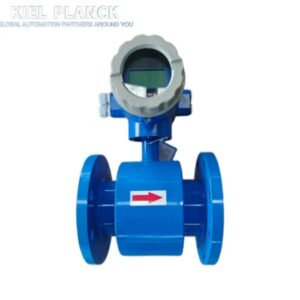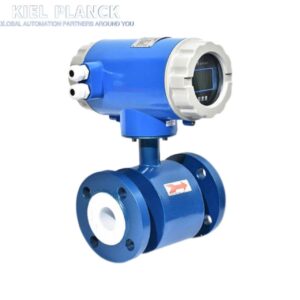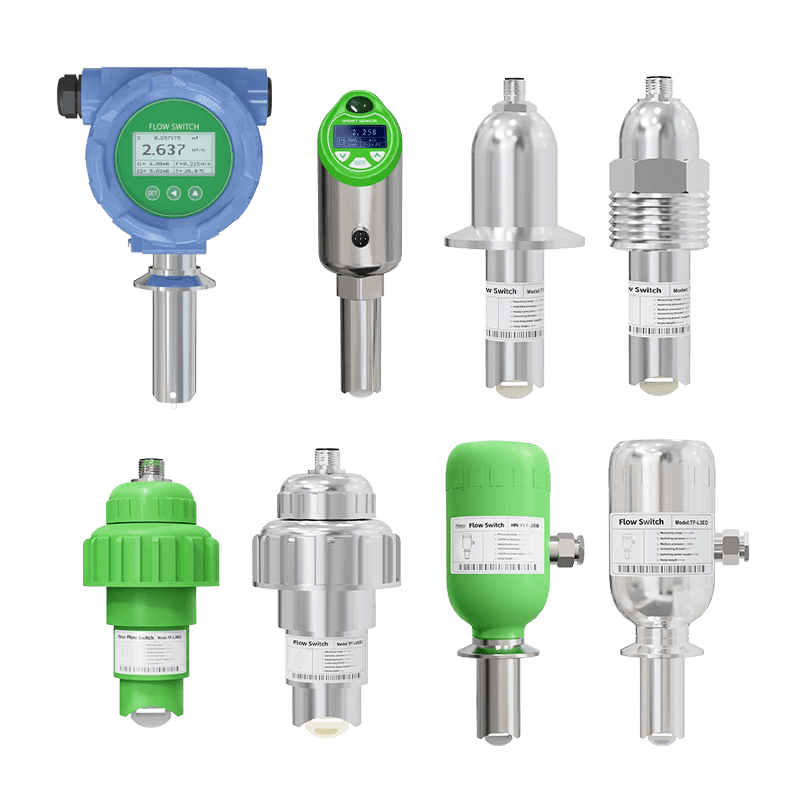
Integrated temperature transmitters combine temperature sensing elements and transmission modules, directly converting RTD and thermocouple signals into 4-20mA standard current. They are widely used for on-site temperature measurement in chemical, heating, and metallurgical industries. However, they are prone to failure due to environmental factors, wiring issues, and component aging. Proper maintenance can significantly extend their service life.
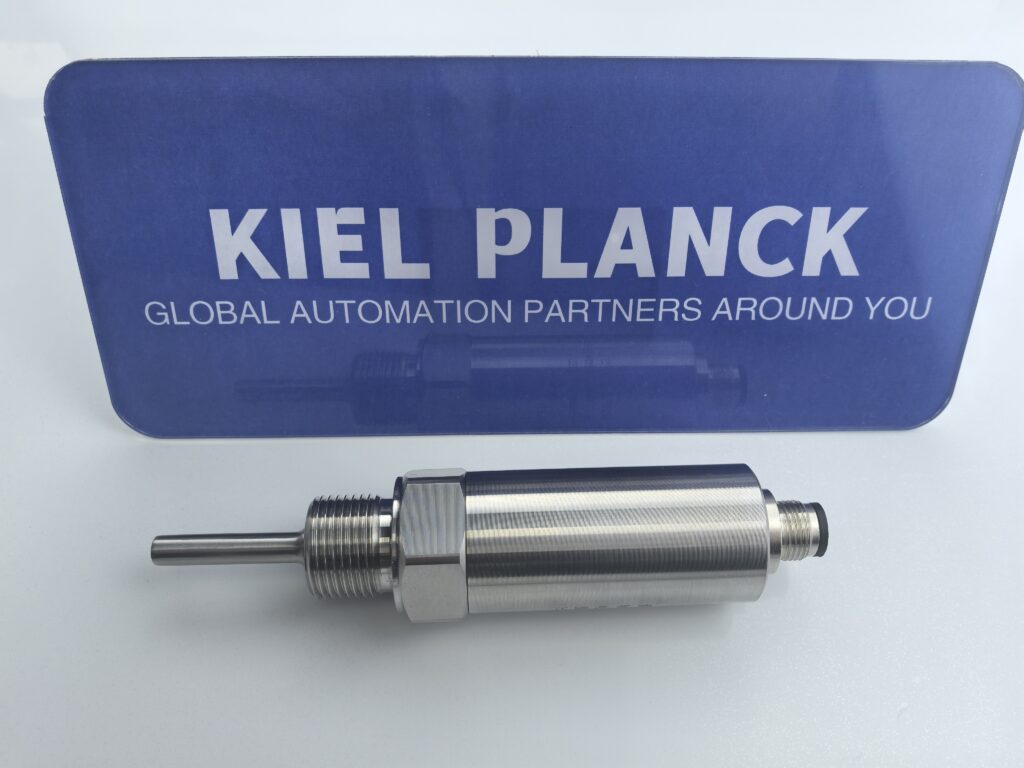
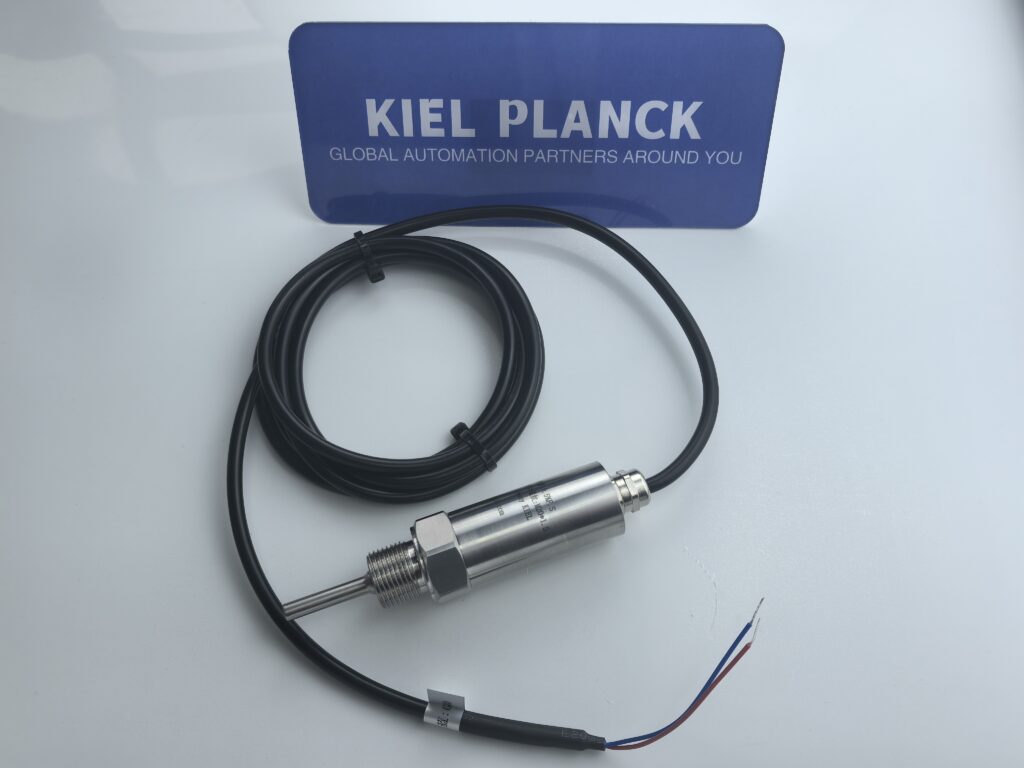
I. Common Faults and Causes
No output current, no instrument display. This is caused by: 1) Abnormal power supply, such as voltage below rated value, reversed polarity, or broken power cord, preventing the transmitter circuit from working; 2) Open circuit in the temperature sensing core, such as oxidation and breakage of the resistance thermometer wire or burnout of the thermocouple wire, resulting in no temperature signal input; 3) Damage to the transmitter circuit board, such as water ingress due to dampness, lightning surges damaging components, or internal chip failure. Additionally, excessive bending of the probe during installation can easily cause hidden breaks in the internal leads.
Low or unchanging output values. This is caused by poor contact between the probe and the measured medium, scale buildup, coking, or corrosion on the bushing, hindering heat conduction and preventing the temperature sensing element from detecting the true temperature; oxidation and loose connections at the wiring terminals, leading to voltage drop and signal loss; zero drift in the transmitter module, caused by prolonged high-temperature operation resulting in component parameter deviation, causing the measurement to freeze at a fixed value.
Large fluctuations and frequent jumps in measurement values. Severe vibrations at the site, loose probes, loose or vibrating terminals, and momentary interruptions causing signal disturbances; strong electromagnetic interference, transmitters being close to frequency converters or high-power motors, and alternating magnetic fields interfering with weak electrical signals; sudden temperature changes in the measured medium itself, or water ingress due to damaged protective sleeves, causing water vapor to seep into the components and resulting in unstable resistance values.
Zero drift and range inaccuracy. Prolonged use exceeding the transmitter’s rated operating temperature leads to aging of electronic components; drastic changes in ambient temperature and humidity exacerbate circuit board temperature drift; frequent equipment start-ups and shutdowns, with alternating hot and cold temperatures, accelerate component performance degradation, causing zero point and range deviations from factory calibration values.
II. Daily Maintenance Methods
(I) Daily Inspection and Maintenance: Regularly check the data displayed on the field instruments, compare with local temperature measurements, and record any deviations promptly; check the power supply voltage to ensure it is within the nominal range, tighten loose terminals, clean terminal oxidation and rust, and apply anti-rust grease. Check the installation location to prevent mechanical impact to the transmitter probe; install fixed supports at points of severe vibration.
(II) Regular Inspection and Maintenance: Quarterly, remove the transmitter probe, clean the protective sleeve’s outer wall for scale, tar, and dust, and replace damaged sleeves promptly to ensure sufficient heat exchange between the temperature sensing element and the medium; in humid environments, check the housing gaskets; replace aged or cracked gaskets immediately to prevent moisture and dust from entering the housing and corroding the circuit board. The machine is disassembled and calibrated annually. The zero point and range are calibrated using a standard constant temperature source. If the deviation exceeds the tolerance, it is recalibrated. Unqualified components are replaced directly.
(III) Environmental Protection and Maintenance In areas with severe electromagnetic interference, use shielded cables for wiring, with the shielding layer grounded at one end. In high-temperature and corrosive conditions, use heat-resistant and corrosion-resistant protective sleeves to prevent the probe from directly contacting corrosive media. For transmitters not in use, clean the probe and store it in a dry warehouse to prevent moisture and oxidation.
III. Key Points for Fault Prevention During installation, avoid forcibly bending the sensor probe; keep wiring away from power cables. During thunderstorms, ensure proper grounding of instruments for lightning protection to reduce surge damage. Strictly prohibit operation beyond the specified range, temperature, or load. Maintain daily maintenance records, recording inspection and calibration times to anticipate aging faults and reduce downtime maintenance costs.
Scan the QR code to receive more detailed information.