Feedwater pumps are core power equipment in thermal power, cogeneration, and industrial heating systems, undertaking the critical task of pressurizing the water supply to the unit. Feedwater pumps are high-speed, heavy-duty, and precision equipment, and their core components, such as bearings and shaft seals, must rely on a continuous lubrication and cooling system.
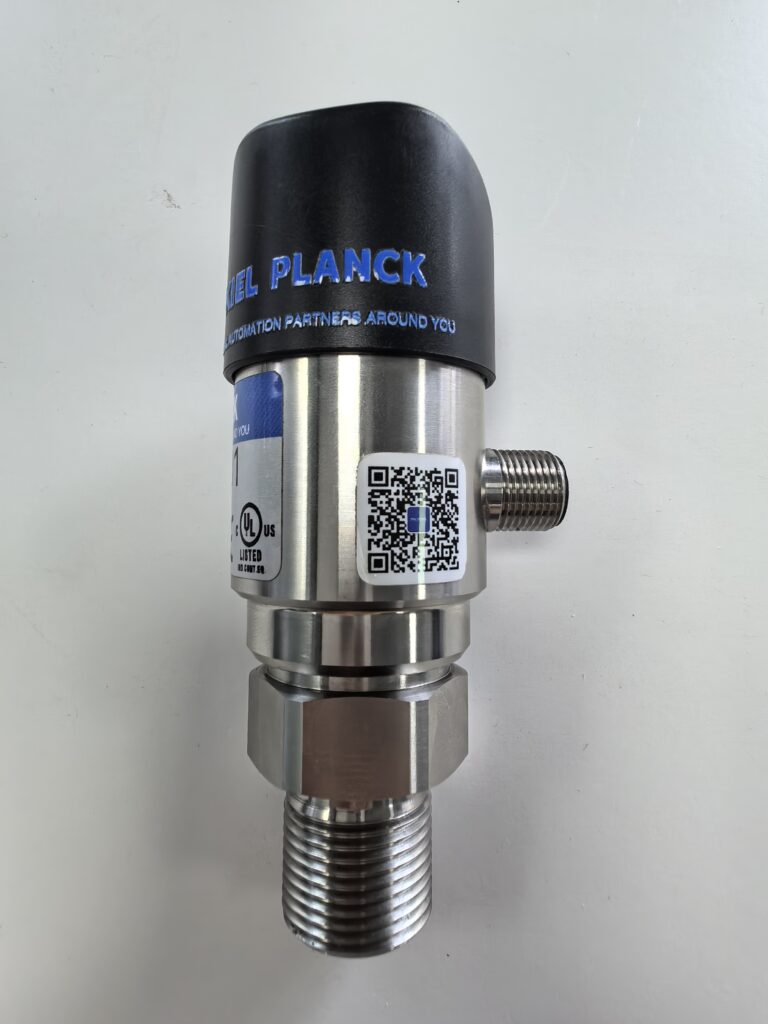
Stable lubricating oil pressure is a prerequisite for the safe start-up, shutdown, and continuous operation of feedwater pumps. As the most critical control parameter in the oil system, excessive pressure can easily lead to oil leakage and seal damage, while insufficient pressure can cause serious equipment accidents such as insufficient lubrication, dry friction bearing failure, and shaft wear. The pressure switch, as a core component for local pressure monitoring and interlocking protection, can monitor lubricating oil pressure changes in real time, realizing early warning, interlocking, and start-up/shutdown protection functions, comprehensively empowering the safe, stable, and efficient operation of the feedwater pump lubrication system.
The pressure switch can monitor the lubricating oil system pressure in real time, ensuring stable lubrication conditions for the equipment. Normal operation of the feedwater pump requires the lubricating oil pressure to be maintained within the standard range specified by the manufacturer. During operation, the system is prone to problems such as pump aging, filter blockage, pipeline leaks, and oil temperature rise, causing oil pressure fluctuations.
Pressure switches are permanently installed at the oil pump outlet, filter downstream, and bearing oil supply header, enabling 24/7 monitoring of dynamic oil supply pressure and precise detection of minute pressure deviations. Compared to intermittent manual inspections, pressure switches provide continuous real-time monitoring, promptly identifying hidden problems such as oil pressure drift, oil circuit blockage, and insufficient oil supply, ensuring sufficient lubricating oil supply and stable pressure, and providing continuous and reliable oil film protection for the feedwater pump bearings.
Pressure switches also enable automatic start-stop of the oil pump, improving system efficiency. In feedwater pump auxiliary systems, the lubrication system typically includes a main oil pump and a standby oil pump, with automated operation achieved through pressure switch thresholds.
During equipment standby, the system oil pressure slowly decreases. When the pressure drops to the set lower limit, the pressure switch activates, triggering the automatic start of the backup oil pump for rapid pressure replenishment and stabilization. Once the oil pressure returns to the normal range, the switch resets, and the auxiliary oil pump automatically stops. This fully automatic pressure stabilization control mode requires no manual intervention and dynamically adjusts the oil supply pressure according to equipment load and oil temperature changes. This ensures lubrication while reducing frequent pump starts and stops, lowering energy consumption and mechanical wear, and significantly improving the automation level of the lubrication system.
The pressure switch features low-pressure interlock protection, strengthening equipment safety. The feed water pump must never be started or operated in a state of insufficient oil or low pressure. If the lubricating oil pressure drops sharply, the shaft system loses its oil film protection, leading to serious malfunctions such as bearing overheating, wear, seizure, and bearing failure within a short period. The pressure switch is set with an ultra-low pressure interlock threshold. When sudden situations such as pump failure, oil circuit rupture, or severe leakage cause a sudden drop in oil pressure, the pressure switch can instantly activate, triggering an alarm signal and linking the interlock protection.
Promptly preventing the start-up of feedwater pumps or forcing them to shut down in operation prevents dry-running accidents at their source, protects expensive pump bodies and shaft systems, and avoids major equipment damage and unit downtime losses.
The pressure switch is adapted to the oil system operating conditions, ensuring stable operation and easy maintenance. The feedwater pump lubrication system operates under constant temperature, closed, and low-vibration conditions. The dedicated pressure switch is resistant to oil contamination, oil temperature, and pressure shocks. It employs a reliable mechanical induction structure, has strong anti-interference capabilities, and will not malfunction or fail to operate due to oil impurities or slight oil temperature fluctuations. The equipment has a simple structure, low failure rate, and requires no frequent calibration or maintenance. It can operate continuously and stably for extended periods, significantly reducing the maintenance costs of the lubrication system and ensuring long-term efficient unit operation.
In summary, pressure switches, with their core advantages of precise monitoring, automatic pressure stabilization, interlocking protection, and stable operation, comprehensively ensure constant oil pressure and reliable oil supply in the feedwater pump lubrication system. They effectively prevent equipment failures caused by abnormal oil pressure, improve the automation efficiency and safety level of auxiliary systems, and are a key protective component ensuring the long-term safe, efficient, and stable operation of feedwater pump units.
Scan the QR code to receive more detailed information.