
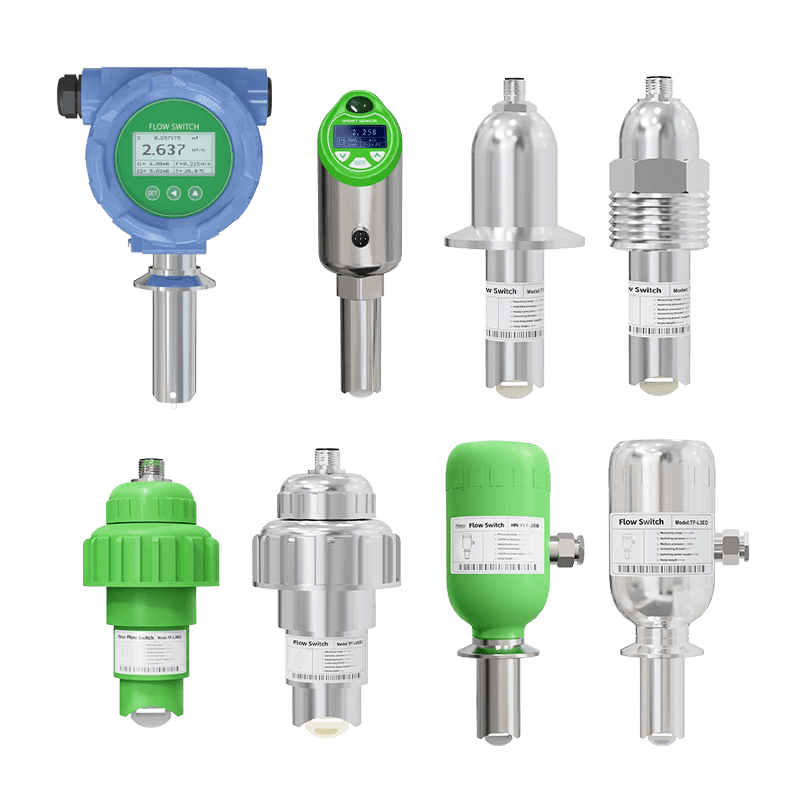
Pressure switches enable safe and efficient operation of water pump lubrication systems
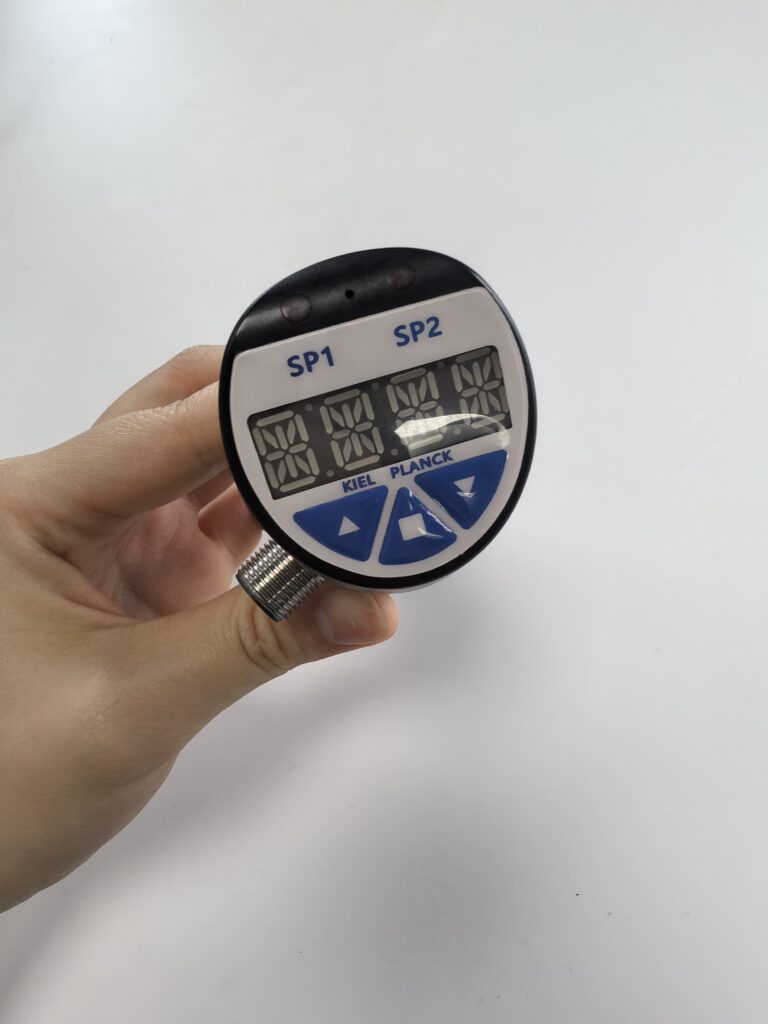
Water pumps are core power equipment in thermal power, cogeneration, and industrial heating systems, undertaking the critical task of pressurizing the water supply to the unit. Feedwater pumps are high-speed, heavy-duty, and precision equipment; their core components, such as bearings and shaft seals, rely on a continuous lubrication and cooling system.
Pressure switches: safety “sentinels” of fire protection systems.
In building and industrial fire protection systems, the stable pressure of various fire water supply, sprinkler, and pressure stabilization networks is the core guarantee for fire emergency response. Fire protection systems are in a standby state most of the time, and are activated when there is no fire. However, hidden problems such as pipeline pressure leakage, pump failure, pipeline damage, and pressure stabilization failure are easily overlooked.
Application of pressure switches in water treatment systems
The water treatment system encompasses multiple process scenarios, including tap water purification, wastewater treatment, reverse osmosis pure water production, and circulating water reuse. The system’s operation relies on stable pipeline pressure to ensure the normal operation of processes such as filtration, pressurization, disinfection, and transportation. Pressure is a core parameter for the operation of water treatment equipment; abnormal pressure can lead to problems such as pump dry running, membrane element damage, pipeline leaks, and process failure.
Seven types of noise inside the pressure sensor circuit
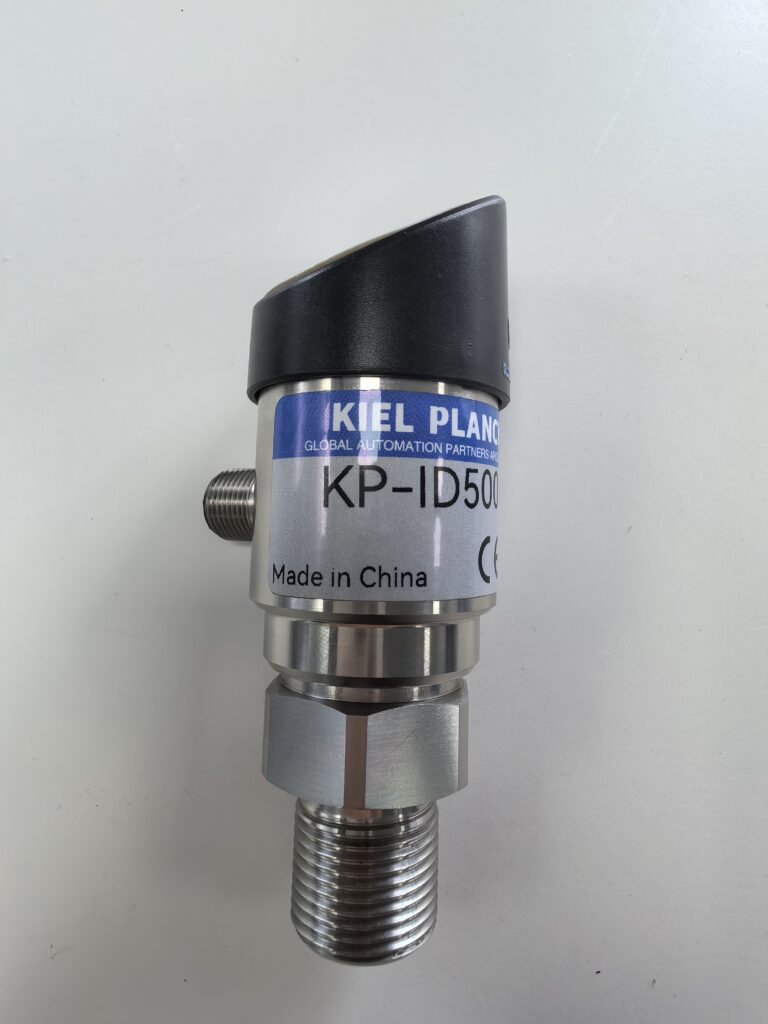
During industrial signal acquisition, pressure sensors generate various inherent noises within their circuitry. These are inherent interferences of the device itself and cannot be completely eliminated, directly affecting measurement accuracy and signal stability.
Main advantages of pressure switches
Pressure switches are fundamental and core monitoring and protection components in industrial automation pressure control systems, widely used in numerous industries such as chemical, mining, water conservancy, HVAC, and machinery manufacturing. Compared to precision electronic devices such as pressure sensors and transmitters, pressure switches are simpler in structure, more practical, and adaptable to a wider range of scenarios. They can monitor pipeline and equipment pressure changes in real time, enabling automatic start/stop, pressure protection, fault alarms, and safety interlocks. With their stable and reliable performance, low operating costs, and strong environmental adaptability, pressure switches have become the preferred equipment for industrial pressure control. Their core advantages are mainly reflected in high reliability, rapid response, strong adaptability, simple operation and maintenance, good safety, and outstanding cost-effectiveness.
Application of explosion-proof pressure switches in high-risk chemical working conditions
The chemical production industry is a typical high-risk field, with flammable and explosive gases, volatile flammable liquids, corrosive media, and high temperature and high pressure conditions commonly present throughout the entire process of production, storage, transportation, and reaction.
Explosion-proof pressure switch
Explosion-proof pressure switch – the preferred choice for mining applications Underground mines are high-risk and complex special working environments, generally characterized by explosive gases such as methane, combustible coal dust, high humidity, strong vibration, and dust accumulation.
How to determine if a pressure switch needs calibration?
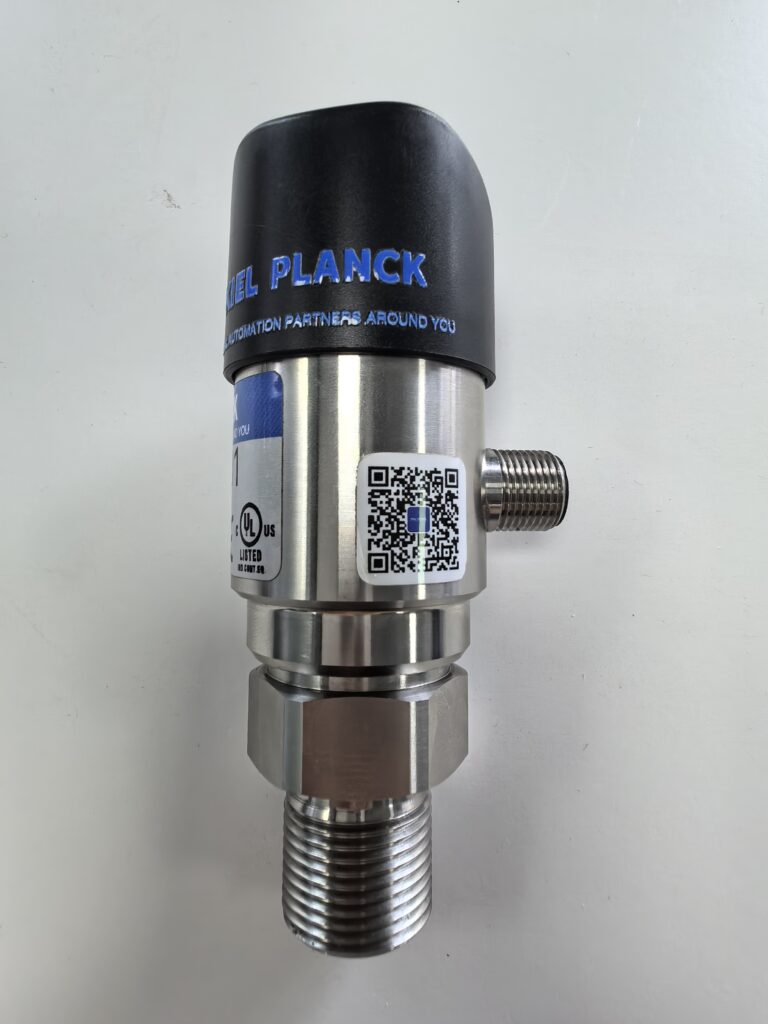
As a core component for safety interlocking and control of industrial fluid, pneumatic, and hydraulic systems, pressure switches rely on precise pressure triggering and reset actions to ensure stable equipment operation.
Pressure Switch Adjustment: Utilizing a Precision Pressure Gauge and Pressure Adjustment Pump
Pressure switches serve as core protective components within industrial pressure control systems; the precision of their actuation and reset pressures directly impacts equipment operational safety and process stability.

