As a core component for safety interlocking and control of industrial fluid, pneumatic, and hydraulic systems, pressure switches rely on precise pressure triggering and reset actions to ensure stable equipment operation.
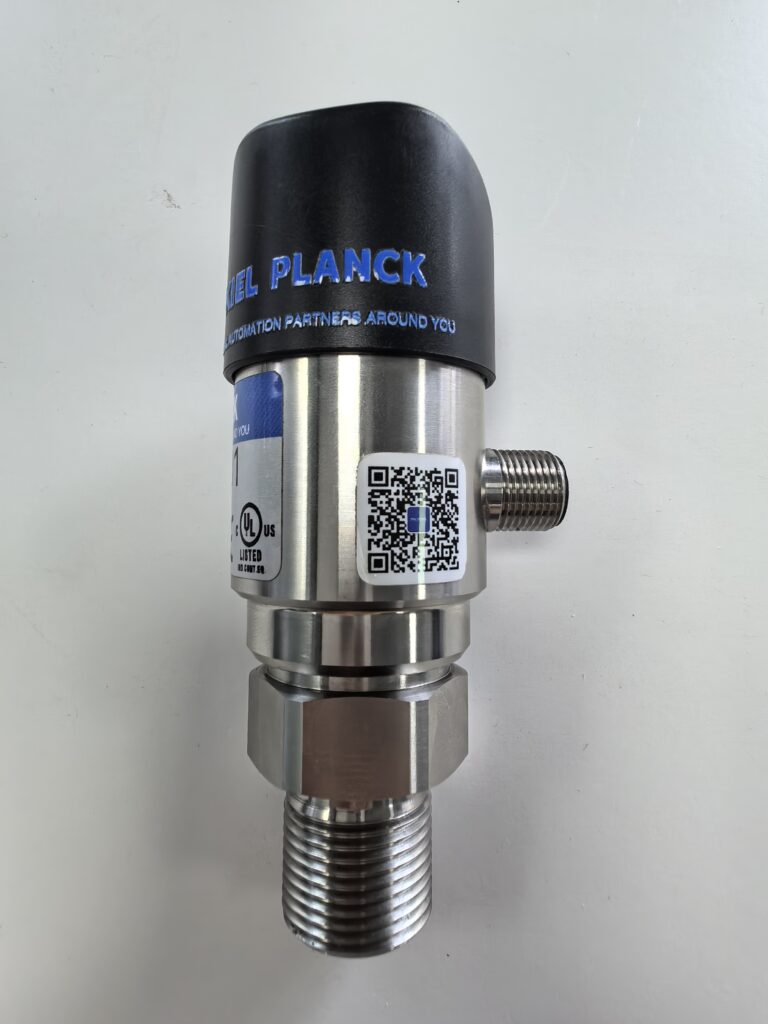
Pressure switches are crucial safety control components in industrial pneumatic, hydraulic, and fluid pressure systems. They rely on precise pressure triggering and reset actions to monitor equipment pressure, provide alarm interlocks, and offer overpressure protection. Their accuracy directly determines the operational safety and process stability of the entire pressure system. During long-term service, pressure switches are susceptible to deviations in core parameters due to factors such as internal mechanical wear, spring fatigue, media corrosion, environmental interference, and sudden operational shocks, leading to inaccurate operation. In industrial maintenance, without waiting for equipment failure, the need for pressure switch calibration can be determined comprehensively through four methods: operating status, usage cycle, changes in operating conditions, and actual measurement verification.
Abnormal operating conditions of the equipment are the most direct basis for determining whether a pressure switch needs calibration. During normal system pressure stabilization, boosting, and depressurization, if the pressure switch exhibits erratic operation or parameter mismatch, it can generally be determined that its accuracy is inaccurate. Common anomalies include premature activation, meaning the switch triggers start/stop or alarm signals before the system pressure reaches the set alarm or interlock pressure value; and delayed activation or failure to activate, meaning the system pressure far exceeds the set protection value, yet the switch still provides no feedback and cannot perform its overpressure protection function. Simultaneously, if the switch reset pressure is unstable, the pressure hysteresis is too large, or frequent starts/stops and signal errors occur when the system pressure fluctuates slightly, it is not caused by abnormal pipeline pressure, but rather by an accuracy fault caused by internal structural misalignment or contact jamming of the pressure switch, requiring timely calibration and adjustment.
Reaching the rated maintenance cycle is a mandatory criterion for pressure switches to be calibrated, and it is a core means of preventative maintenance. The operational and maintenance specifications for industrial special equipment and pressure systems clearly require that pressure switches undergo periodic calibration. Under stable operating conditions of normal temperature, normal pressure, and low vibration, pressure switches should undergo a comprehensive calibration at least once a year; however, under harsh conditions such as high temperature, high pressure, high dust, strong vibration, or corrosive media, the equipment wears out faster, requiring calibration to be shortened to once a quarter or once every six months. Some pressure switches with safety interlocks used in pressure vessels and pressure pipelines must be calibrated simultaneously with the annual equipment inspection. Even if there are no abnormalities during operation, latent wear and parameter drift can occur inside the switch, which cannot be detected by visual inspection. Regular calibration is essential to eliminate potential safety hazards.
Professional equipment-based on-site testing and verification is the core and precise method for determining calibration needs. Routine inspections can only detect obvious faults, while minute parameter drifts require testing with standard equipment. Maintenance personnel can use a pressure calibration pump with a precision standard pressure gauge to perform pressure increases and decreases on the switch, recording the actuation and reset pressure values, and comparing them with the standard parameters on the equipment nameplate and the system settings. If the measured data deviates from the standard values beyond the industry’s allowable range, or if multiple tests show significant fluctuations and severe zero-point offset, the pressure switch can be accurately determined to be inaccurate and must be calibrated immediately.
In summary, determining the need for pressure switch calibration requires a comprehensive assessment based on abnormal operational behavior, regular maintenance cycles, changes in the operating environment, and professional on-site testing data. Timely and accurate calibration can effectively prevent problems such as process disruptions, equipment damage, and safety interlock failures caused by switch malfunctions or failures to operate, continuously ensuring the safe, stable, and efficient operation of industrial pressure systems.
Scan the QR code to receive more detailed information.