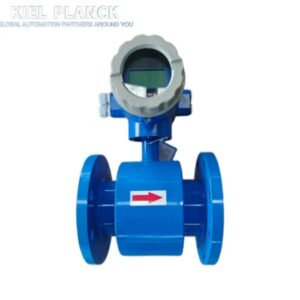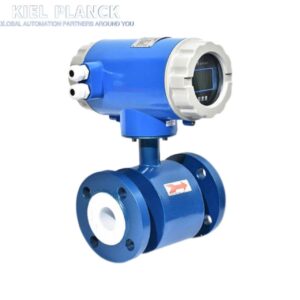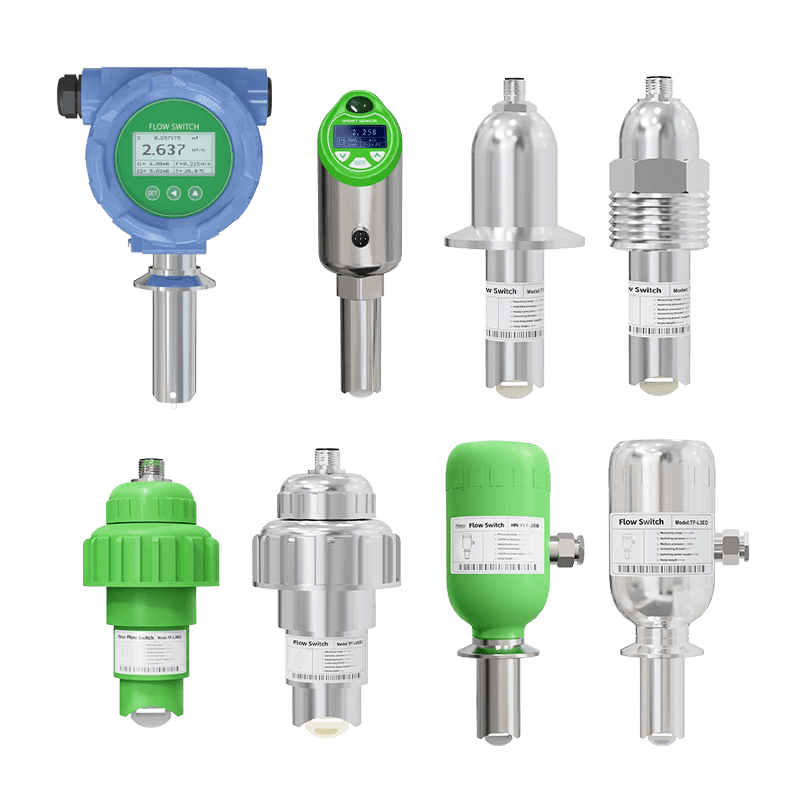
Pressure switches are fundamental and core monitoring and protection components in industrial automation pressure control systems, widely used in numerous industries such as chemical, mining, water conservancy, HVAC, and machinery manufacturing. Compared to precision electronic devices such as pressure sensors and transmitters, pressure switches are simpler in structure, more practical, and adaptable to a wider range of scenarios. They can monitor pipeline and equipment pressure changes in real time, enabling automatic start/stop, pressure protection, fault alarms, and safety interlocks. With their stable and reliable performance, low operating costs, and strong environmental adaptability, pressure switches have become the preferred equipment for industrial pressure control. Their core advantages are mainly reflected in high reliability, rapid response, strong adaptability, simple operation and maintenance, good safety, and outstanding cost-effectiveness.
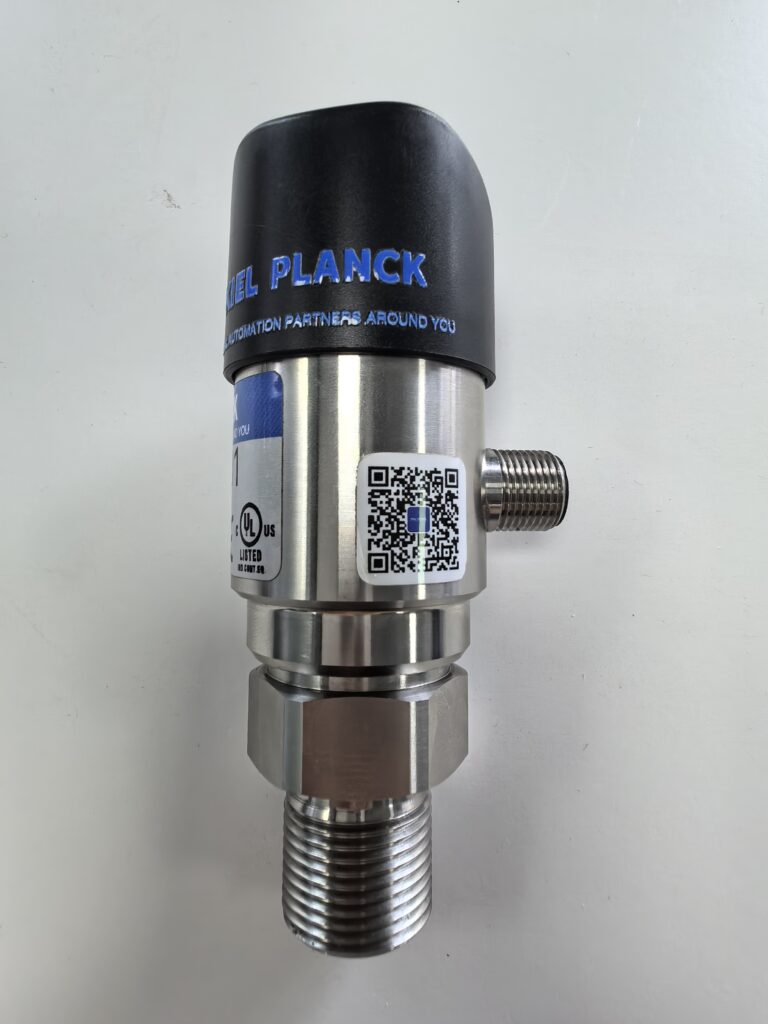
First, the mechanical structure is stable, ensuring high operational reliability and strong anti-interference capabilities. Most pressure switches employ a purely mechanical sensing structure, relying on components such as springs, diaphragms, and pistons to sense pressure changes, without depending on complex electronic circuits and chip programs. Compared to electronic pressure detection equipment, pressure switches are less susceptible to electromagnetic interference, signal fluctuations, and voltage instability, and can still operate stably in complex working conditions involving strong electromagnetic fields, high and low temperatures, and frequent vibrations. The equipment exhibits excellent overload and fatigue resistance, capable of withstanding sudden conditions such as pipeline water hammer and instantaneous pressure shocks. Long-term operation is less prone to malfunctions, drift, or crashes, meeting the production needs of industrial equipment for continuous 24-hour operation.
Second, the pressure response is sensitive, control accuracy is stable, and interlocking protection is timely. Pressure switches possess instantaneous triggering characteristics. When the system pressure reaches a preset action threshold, they can quickly switch the contact on/off state, triggering alarms, pressure relief, shutdown, and media cutoff protection actions in real time. The response speed far exceeds that of conventional electrical control detection systems.
Meanwhile, high-quality pressure switches offer precisely adjustable operating pressure, reset pressure, and hysteresis values. After calibration, their parameters exhibit strong stability and are less prone to data drift. They accurately control the safe pressure range of equipment, effectively preventing safety issues such as equipment damage, media leakage, and process control failure caused by overpressure or underpressure operation, providing reliable dynamic pressure protection for industrial systems.
Thirdly, they possess extremely strong environmental adaptability and a wide range of applicable operating conditions. A rich variety of pressure switches are available, including standard, waterproof, corrosion-resistant, and explosion-proof types, to suit various complex and harsh production environments. Whether in underground mines, high-risk explosion-proof chemical plants, or high-temperature, high-pressure, humid, dusty, or acid/alkali corrosive conditions, there are corresponding pressure switch models available. The equipment exhibits strong temperature adaptability, operating normally in extreme high and low temperature environments. Its sealed protective structure effectively prevents dust, water, and corrosion, overcoming the strict environmental limitations of precision electronic equipment, making it highly versatile and practical.
Fourth, installation and maintenance are simple, and operating costs are low. The pressure switch has a compact structure and small size, allowing for simple and flexible installation. It can be directly mounted on various pressure systems such as pipelines, tanks, and hydraulic equipment, without the need for complex wiring and supporting systems. The device contains no easily damaged precision parts, resulting in an extremely low failure rate and long service life, eliminating the need for frequent calibration, maintenance, and replacement. Compared to intelligent pressure detection equipment, its procurement, maintenance, and replacement costs are significantly reduced. Furthermore, its simple operation requires no professional personnel for debugging and maintenance, greatly reducing the equipment maintenance investment for enterprises and making it suitable for large-scale industrial production scenarios.
Fifth, outstanding safety performance, enabling passive safety control. Pressure switches mostly adopt a passive contact design, requiring no continuous power supply to complete pressure monitoring and switching control. The circuit structure is simple, with extremely low safety risks. Explosion-proof pressure switches can completely eliminate the generation of electrical sparks, perfectly adapting to flammable and explosive high-risk working conditions, avoiding the risk of explosion and fire from the source. Meanwhile, its independent physical triggering mechanism does not rely on the control system. Even if the equipment’s electrical control system fails, the pressure switch can still independently complete the safety protection action, effectively making up for the protection shortcomings of the automated control system and providing double protection for the safe operation of the equipment.
In summary, pressure switches, with their multiple advantages of reliable operation, sensitive response, wide adaptability, simple maintenance, safety, high efficiency, and cost-effectiveness, have become an indispensable core component of industrial pressure systems. They can meet the pressure control needs of routine operating conditions and are also suitable for various harsh and high-risk production scenarios. They play a crucial role in ensuring stable equipment operation, preventing safety accidents, and reducing production costs, making them the most practical and widely used pressure protection element in modern industrial automation control systems.
Scan the QR code to receive more detailed information.