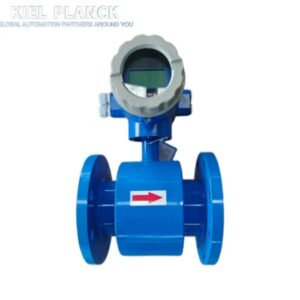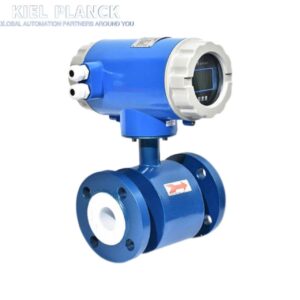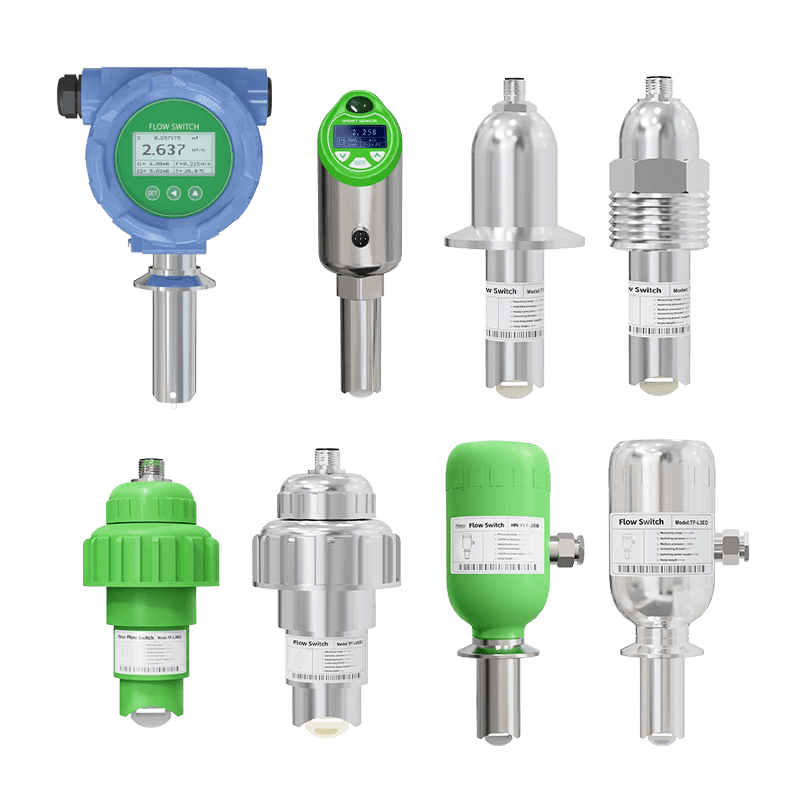
The water treatment system encompasses multiple process scenarios, including tap water purification, wastewater treatment, reverse osmosis pure water production, and circulating water reuse. The system’s operation relies on stable pipeline pressure to ensure the normal operation of processes such as filtration, pressurization, disinfection, and transportation. Pressure is a core parameter for the operation of water treatment equipment; abnormal pressure can lead to problems such as pump dry running, membrane element damage, pipeline leaks, and process failure.
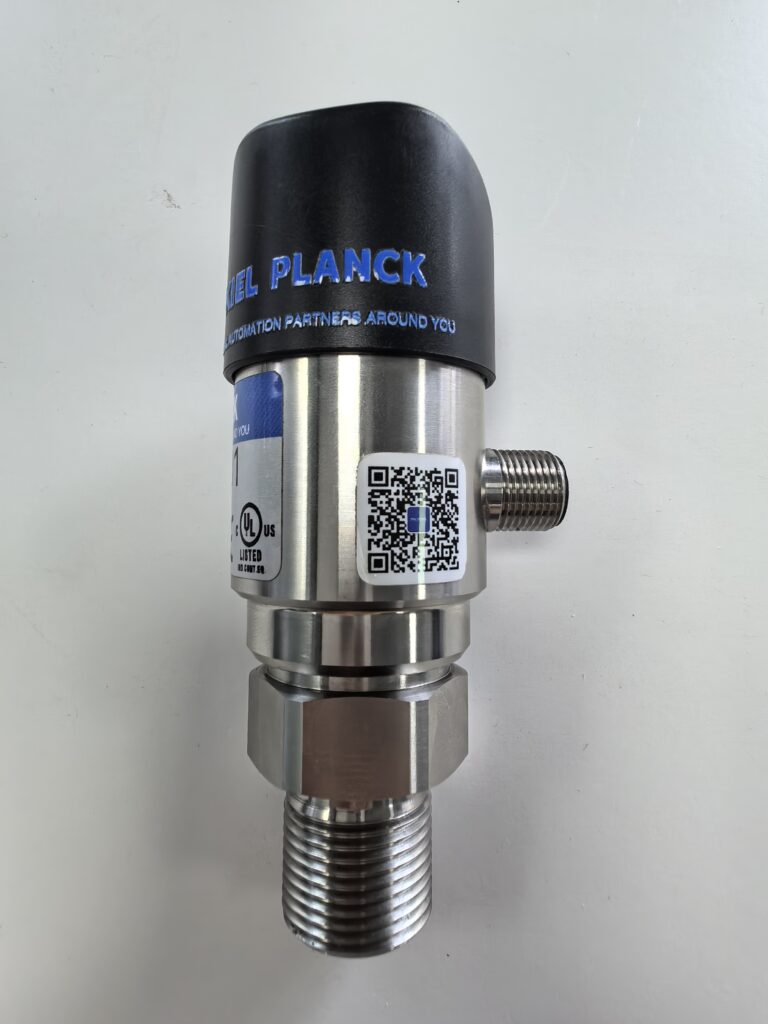
Pressure switches, as low-cost, highly reliable pressure control components, can monitor pipeline and equipment pressure in real time, enabling automatic start/stop, overpressure protection, low-pressure interlocking, and operating condition switching. They are an indispensable core control component in water treatment automation systems.
The most critical application of pressure switches is the automatic control and dry-run protection of water pump units. In water supply and water treatment delivery systems, pressure switches can automatically control the start/stop of booster pumps and water supply pumps based on pipeline pressure thresholds. When water consumption is high and pipeline pressure drops to a set lower limit, the switch closes, starting the water pump to boost pressure and replenish water. When the system pressure reaches a set upper limit, the switch opens, the water pump stops and stabilizes the pressure, achieving fully automatic constant pressure water supply without manual intervention. Simultaneously, with low-pressure protection, when water supply is interrupted or pipeline leakage causes excessively low pressure, the pressure switch immediately cuts off the water pump power supply, effectively preventing the pump from running dry and burning out the motor, significantly reducing equipment failure losses.
In filtration and reverse osmosis processes, pressure switches ensure the safe and stable operation of precision water treatment equipment. Multi-media filters, precision filters, and reverse osmosis membrane devices have stringent operating pressure requirements. Overpressure can directly cause filter layer damage and membrane element rupture, rendering them unusable. Insufficient pressure leads to decreased filtration accuracy and reduced pure water production efficiency. By installing pressure switches at the filter inlet and outlet and in the reverse osmosis system piping, safe pressure ranges can be set. When the pressure exceeds the limit, alarms, pressure relief, or shutdown interlocks are quickly triggered. Simultaneously, the pressure difference before and after the filter can be monitored. Abnormal pressure differences indicate filter element blockage, reminding maintenance personnel to clean and replace the filter promptly, ensuring the filtered water quality meets standards.
Pressure switches enable pressure regulation and process interlock control in water treatment systems. During the operation of wastewater treatment, reclaimed water reuse, and circulating cooling water systems, pipelines are prone to pressure instability due to impurities and water flow fluctuations, affecting the effectiveness of subsequent processes such as chemical dosing and disinfection. Pressure switches stabilize the system operating pressure through real-time pressure monitoring, ensuring accurate injection of disinfectants, flocculants, and other agents, avoiding problems such as insufficient agent mixing and substandard treatment results caused by uneven pressure. In addition, in multi-pipeline water treatment systems, pressure switches can automatically switch between main and backup equipment. When the pressure of the main pipeline is abnormal, the backup pipeline and equipment are automatically activated to ensure the continuous operation of the water treatment process and avoid downtime.
Adapted to the unique operating conditions of water treatment, pressure switches offer significant advantages in stability and practicality. Water treatment environments are generally humid, humid, and contain trace impurities. Dedicated water treatment pressure switches are waterproof, dustproof, corrosion-resistant, and pressure shock resistant, making them suitable for long-term continuous operation. Their purely mechanical triggering structure provides strong anti-interference capabilities, unaffected by water impurities or minor electromagnetic interference. They offer precise operation, a low failure rate, and require no frequent calibration or maintenance. Compared to electronic sensors, pressure switches are easier to install, more cost-effective, have a longer service life, and are compatible with various large, medium, and small-scale water treatment equipment.
In summary, pressure switches are widely used in all aspects of water treatment processes, including pump control, filtration and purification, pressure stabilization and interlocking, and equipment protection. Through precise pressure monitoring and automatic control, they effectively prevent equipment damage, process failures, and substandard water quality, ensuring the safe, stable, efficient, and automated operation of water treatment systems. They are a fundamental and critical safety control component in modern water treatment engineering.
Scan the QR code to receive more detailed information.