Many on-site instrument failures and short service life problems stem from incorrect model selection rather than product quality defects. This article systematically summarizes six typical working conditions and media that are unsuitable for turbine flow meters, analyzes corresponding failure mechanisms, and provides targeted alternative instrument schemes. It aims to help engineering staff avoid selection mistakes, reduce maintenance costs, and ensure long-term stable and reliable flow measurement.
1. Introduction
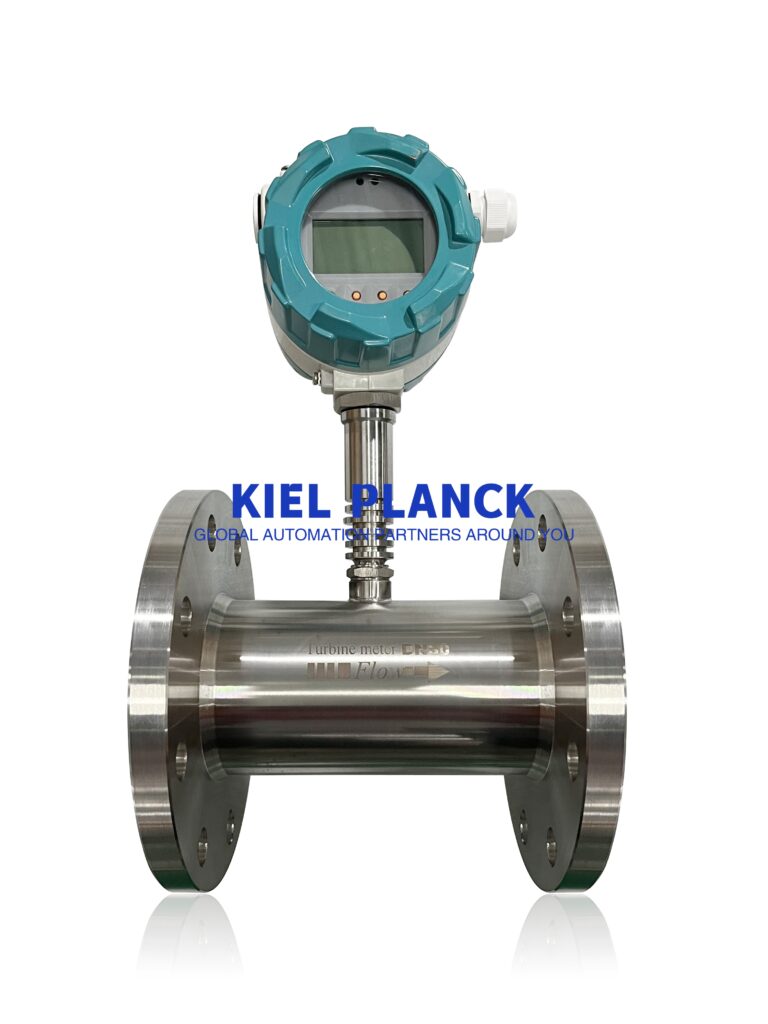
With the advantages of high metering precision and wide measuring range, turbine flow meters are extensively applied in clean gas and liquid metering scenarios such as hydrogen refueling stations, refined oil and pure industrial water. Different from static measuring instruments, turbine meters rely on fluid kinetic energy to drive impeller rotation, so their internal moving components are extremely sensitive to medium cleanliness, viscosity, corrosiveness and flow stability. In complex industrial scenarios, many special media will cause irreversible damage to turbine core components. Clarifying unsuitable working conditions is the primary premise of scientific selection, which can effectively eliminate hidden measurement risks and avoid unnecessary equipment replacement losses.
2. Six Typical Media and Working Conditions Unsuitable for Turbine Flow Meters
First, high-viscosity fluid media. Turbine meters require stable fluid impact to maintain uniform impeller rotation. High-viscosity media such as heavy crude oil, glycerin and thick chemical glue will form strong adhesion resistance on the impeller surface. Excessive fluid viscosity slows down impeller response, causes nonlinear measurement errors and even leads to stalling under low flow velocity. High viscosity also increases bearing operating load, accelerating fatigue wear and greatly shortening equipment service life.
Second, solid-containing slurry and impurity media. Industrial wastewater, coal slurry and mineral pulp with suspended particles and hard impurities are typical taboo working conditions. Tiny solid particles continuously scour the impeller and bearings during operation, causing abrasive wear. Large particles may even jam the rotating structure directly, resulting in sudden meter failure. Long-term scouring will change impeller geometric parameters, leading to permanent accuracy drift that cannot be calibrated and repaired.
Third, strong corrosive media. High-concentration acid, alkali and salt corrosive solutions will cause electrochemical corrosion and surface pitting on metal impellers and precision bearings. Corroded impellers lose surface smoothness and dynamic balance, generating irregular rotation jitter. Severe corrosion will erode internal component structures, causing oil leakage and bearing failure. Even corrosion-resistant customized models cannot withstand long-term immersion and scouring of strong corrosive media.
Fourth, gas-liquid two-phase mixed flow media. Turbine meters are designed for single-phase fluid measurement. Mixed flow containing liquid droplets in gas or bubbles in liquid will cause unbalanced fluid impact. Disordered two-phase impact leads to unstable impeller rotation, severe signal jitter and large measurement deviation. In extreme cases, alternating dry and wet friction will damage bearing lubrication system and trigger frequent equipment faults.
Fifth, easy-crystallization and adhesive media. Chemical crystallization solution, tar and oily media are prone to adhesion and scaling on impellers and bearing gaps. Accumulated dirt will increase rotation resistance, block tiny gaps and affect flexible rotation. Regular scaling changes the flow area and rotation inertia, resulting in gradual attenuation of measurement accuracy and failure of long-term stable metering.
Sixth, strong pulsating flow working conditions. Reciprocating pump outlets and intermittent batch delivery pipelines produce periodic pulsating flow. Frequent flow surge and instantaneous pressure impact cause violent impeller vibration and rotational speed fluctuation. Long-term pulsating impact leads to mechanical fatigue of bearings and impellers, causing premature failure and significantly reducing meter service life.
3. Matching Alternative Instrument Solutions
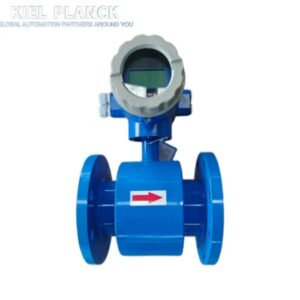
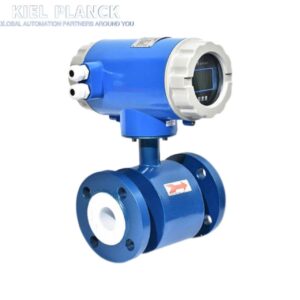
For the above unfavorable working conditions, targeted alternative meters can achieve stable measurement. High-viscosity media adapt to oval gear flow meters; slurry and impurity-containing media are suitable for electromagnetic flow meters with anti-wear lining; corrosive media can use fluorine-lined electromagnetic meters; two-phase flow and pulsating flow scenarios prefer vortex or Coriolis mass flow meters. Reasonable replacement can completely avoid the structural adaptation defects of turbine flow meters.
4. Conclusion
Turbine flow meters are high-precision instruments with obvious scenario limitations, not universal measuring equipment. High-viscosity fluids, solid slurry, strong corrosive media, two-phase mixed flow, adhesive crystallization media and strong pulsating flow are six typical unsuitable working conditions. Blind installation will cause severe wear, signal disorder and premature failure. Industrial users must abandon universal selection thinking, match instruments according to medium characteristics and working conditions, give priority to alternative equipment for harsh scenarios, so as to ensure accurate and stable long-term operation of industrial flow measurement systems.
Scan the QR code to receive more detailed information.