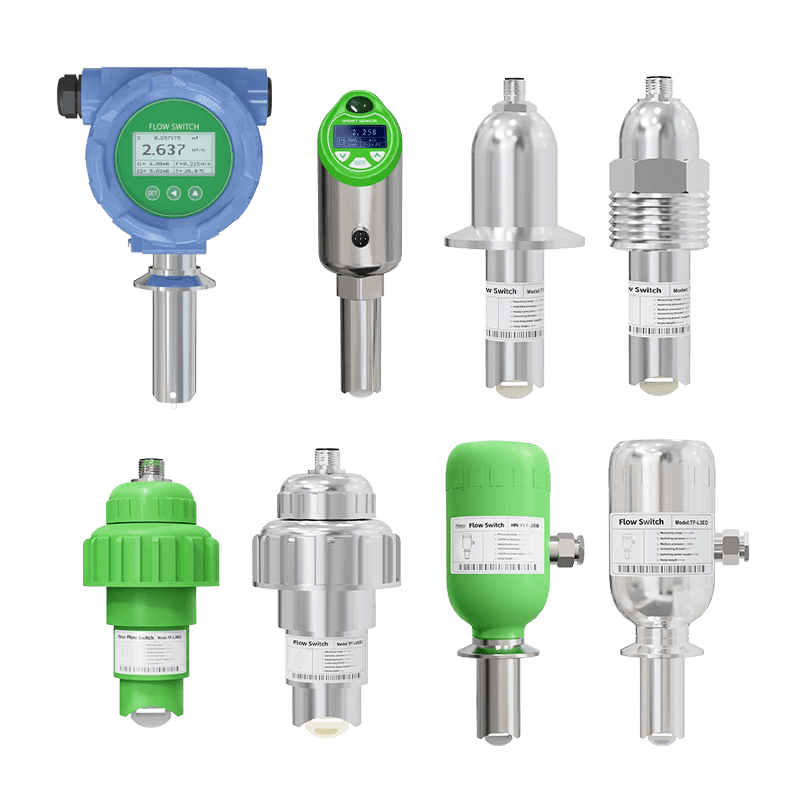
How to Measure Inlet Gas Flow of Water Electrolysis Hydrogen Production Units?
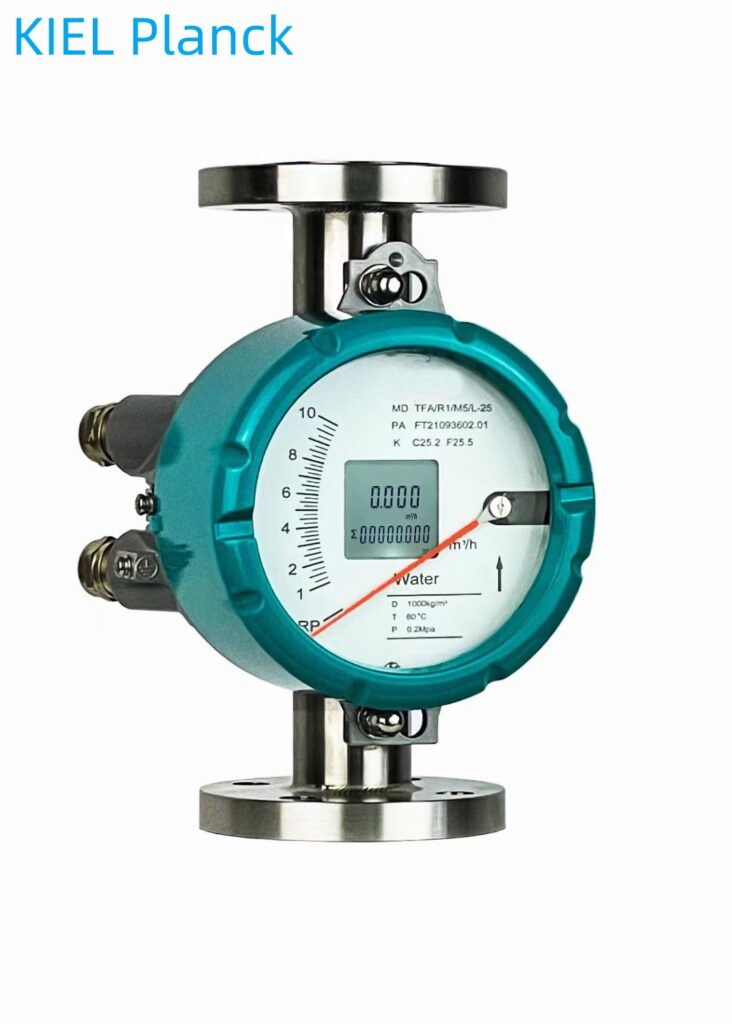
Stable and accurate inlet gas flow monitoring is the core prerequisite for efficient and safe operation of water electrolysis hydrogen production equipment. The inlet raw gas of electrolytic hydrogen production features low viscosity, high cleanliness and mild operating pressure, putting forward specific requirements for flow measurement instruments. As a high-precision, fast-response speed-type measuring device, gas turbine flow meters are gradually applied in hydrogen production inlet pipeline monitoring.
Do Not Use Turbine Flow Meters for These Media: List of Six Unfavorable Working Conditions
Turbine flow meters are widely recognized for their high accuracy, excellent repeatability and fast dynamic response, making them mainstream equipment for industrial fluid custody transfer and precise process metering. However, their core rotating impeller and precision bearing structure determines strict limitations in medium adaptability. Blind application in inappropriate working conditions easily causes bearing abrasion, impeller deformation, signal failure and rapid performance attenuation
How to Solve Vortex Flow Meter Probe Fouling and Corrosion
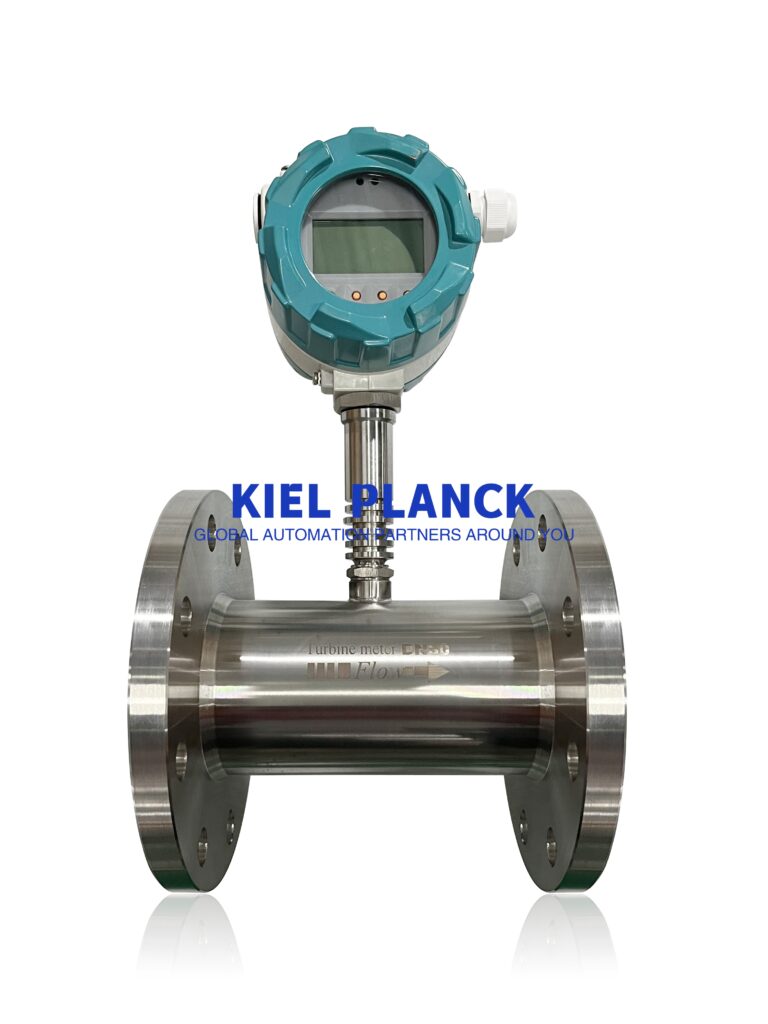
Vortex flow meters rely on bluff body probes to generate regular Karman vortex streets, making probe surface condition the key to stable and accurate flow measurement. In industrial scenarios such as chemical production, sewage treatment, steam pipelines and brine transportation, probes are prone to scaling, adhesive fouling and electrochemical corrosion after long-term operation. Damaged probe surfaces disrupt vortex generation, cause signal jitter, measurement deviation and even meter failure.
Vortex Flow Meters Need No Temperature and Pressure Compensation”
A widespread misconception in the industrial instrumentation industry claims that vortex flow meters operate accurately without temperature and pressure compensation. This simplified but misleading statement has misled numerous purchasers and engineering teams into improper configuration, resulting in severe measurement deviations, inaccurate energy statistics and unqualified custody transfer data.
Higher Precision Is Not Always Better? Three Hidden Costs of Excessively Pursuing High Precision for Vortex Flow Meters
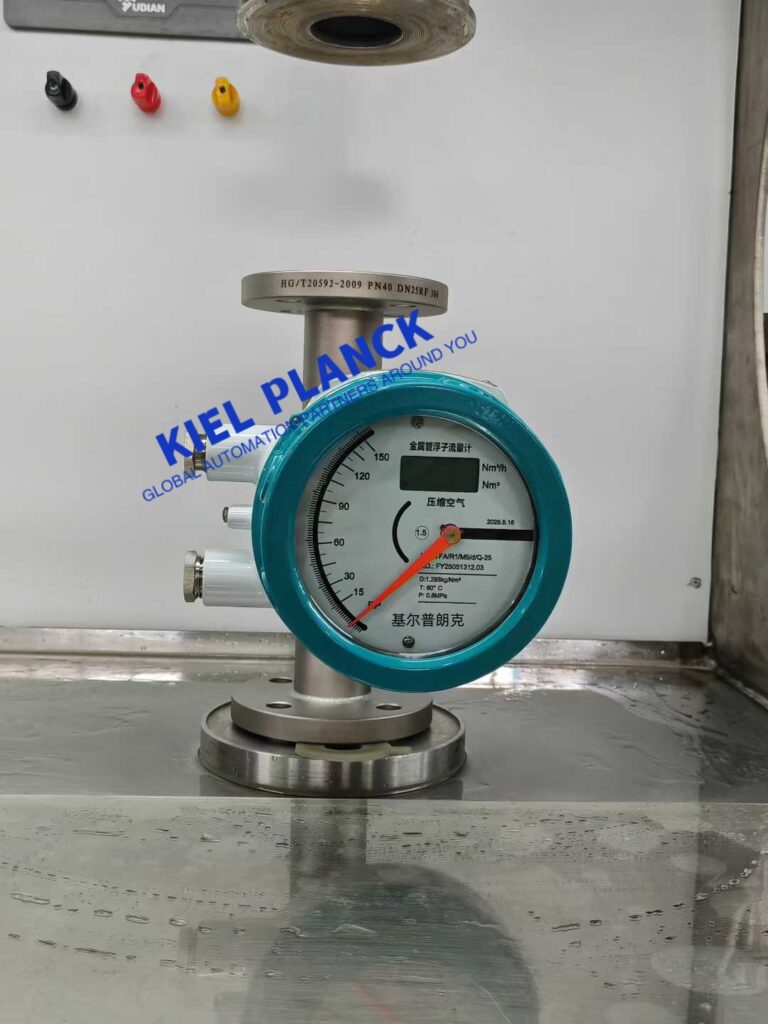
In industrial flow measurement engineering, most users habitually regard higher precision as the core standard for selecting vortex flow meters, believing that high-precision instruments can bring more reliable monitoring data.
How to Solve Vortex Flow Meter Probe Fouling and Corrosion?
Vortex flow meters are widely used in industrial gas, steam and liquid flow monitoring, yet their bluff bodies and sensing probes are highly susceptible to fouling, adhesion and electrochemical corrosion in complex working conditions such as sewage treatment, chemical media and humid industrial steam.
Vortex Flow Meter Malfunction Under Pulsating Flow Conditions
Vortex flow meters are widely utilized for measuring gas, steam, and liquid flow in process industries due to their simple structure, zero moving parts, and stable static measurement performance under steady flow conditions. However, they frequently suffer from signal disorder, measurement deviation, data jitter and apparent “malfunction” in pulsating flow scenarios, such as reciprocating pump outlets, intermittent gas supply, and cyclic batch delivery systems.
Turbine Flow Meter Bearing Life Less Than Six Months?
urbine flow meters are widely applied in hydrogen refueling stations, petrochemical pipelines and industrial fluid metering systems due to their high precision, fast dynamic response and excellent repeatability. Bearing wear and failure is the most common fault of turbine flow meters, and many on-site devices suffer from shortened service life of less than six months, resulting in frequent replacement, interrupted production and increased operational costs
Why Does Your Vortex Flow Meter Always Trigger Vibration Alarms? Causes and Optimized Solutions
Vortex flow meters are widely used for measuring gas, steam and liquid flow in petrochemical, power and industrial heating systems due to their no moving parts, stable performance and wide adaptability. However, persistent false vibration alarms and abnormal signal jitter are common operational problems that plague most on-site users