In building and industrial fire protection systems, the stable pressure of various fire water supply, sprinkler, and pressure stabilization networks is the core guarantee for fire emergency response. Fire protection systems are in a standby state most of the time, and are activated when there is no fire. However, hidden problems such as pipeline pressure leakage, pump failure, pipeline damage, and pressure stabilization failure are easily overlooked.
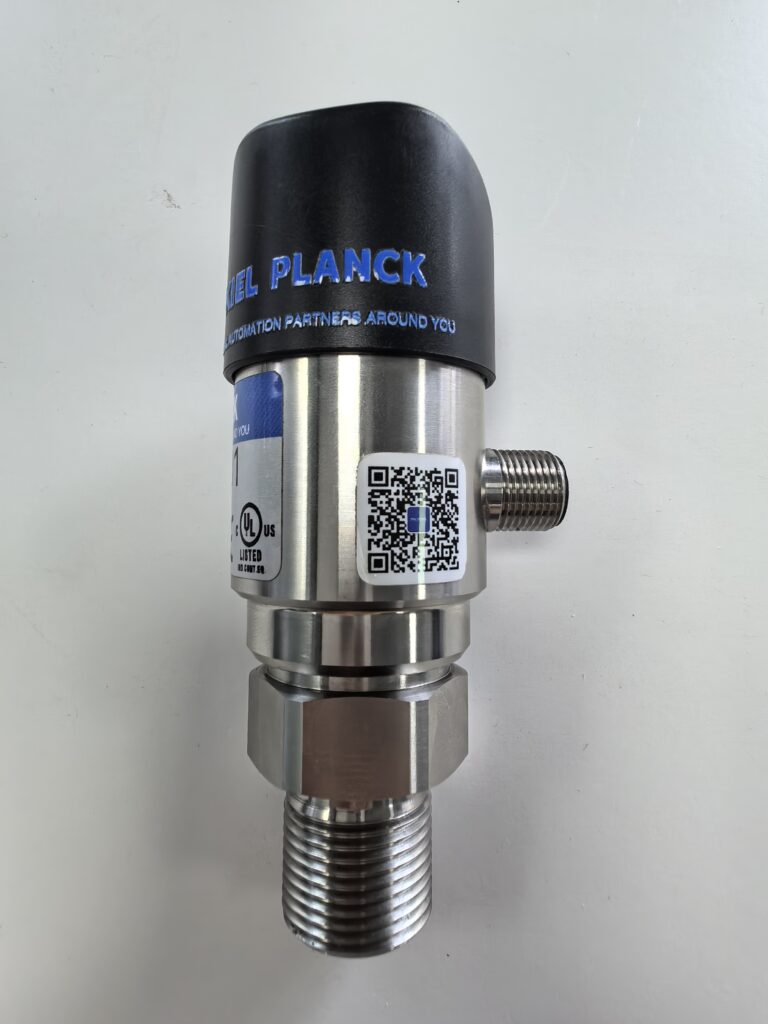
As a core monitoring and triggering element in fire protection systems, pressure switches monitor the pipeline pressure status around the clock, providing real-time monitoring of pressure changes, accurate feedback on abnormal operating conditions, and coordinated activation of fire-fighting equipment. Like loyal safety “sentinels,” they silently safeguard the integrity and effectiveness of the fire protection system, making them an indispensable key device for fire safety control.
Pressure switches are real-time monitoring sentinels of the fire pipeline pressure status. Fire sprinkler systems, fire hydrant systems, and pressure-stabilized water supply systems have strict standards for pipeline pressure. Too low a pressure can lead to insufficient water supply and sprinkler failure during a fire, while too high a pressure can easily cause pipeline rupture and equipment damage. Fire pressure switches are continuously connected to the main pipeline network, zone pipelines, and pressure-stabilizing equipment, monitoring the pipeline pressure dynamics 24 hours a day, accurately capturing even minute pressure fluctuations. Compared to periodic manual inspections, pressure switches enable unattended monitoring around the clock, promptly detecting hidden faults such as pipeline leaks, pressure drops, and pressure-stabilizing pump failures, filling the monitoring blind spots of manual inspections and ensuring that the fire pipeline network is always in a qualified and ready state.
Pressure switches, equipped with precise alarm and signal feedback functions, act as early warning sentinels in fire response. When a fire occurs, the bursting of sprinkler heads or the opening of fire hydrants instantly releases pipeline pressure, causing a sudden drop in pipeline pressure. At this time, the pressure switch can quickly detect the pressure change, instantly triggering an electrical switch signal, converting the pressure change into an alarm signal, and uploading it to the fire control room in real time, accurately reporting the fire area and equipment activation status. Simultaneously, it triggers an audible and visual alarm on the fire control panel, alerting on-duty personnel to take timely action, buying precious time for initial fire suppression, effectively preventing the fire from spreading, and greatly improving the efficiency of fire emergency response.
Pressure switches can also enable automatic interlocking start-up of fire-fighting equipment, acting as protective sentinels for system operation. The start-up and shutdown of pressure-stabilizing pumps and main fire pumps in the fire protection system rely entirely on the threshold control of pressure switches. In normal standby mode, when there is a slight pressure drop in the pipeline network, the pressure switch triggers the pressure-stabilizing pump to automatically replenish the pressure and maintain a constant pressure in the pipeline network. When a fire occurs and the pipeline pressure drops sharply, the pressure switch triggers an interlock signal, automatically shutting down the pressure-stabilizing pump and starting the main fire pump to achieve a large flow of water supply, ensuring continuous water supply for sprinklers and fire hydrants for fire suppression. The fully automatic interlock control mode requires no manual operation, eliminating the problem of delayed human response and ensuring zero-delay emergency start-up of fire-fighting equipment.
Suitable for fire-fighting duty operations, this pressure switch boasts high reliability and stability. Specifically designed for long-term standby and instantaneous start-up conditions in fire-fighting environments, it employs a highly reliable mechanical sensing structure that is resistant to aging, fatigue, and moisture, ensuring uninterrupted standby without malfunctions or failures. The device exhibits exceptional stability, unaffected by ambient temperature or minor vibrations, with sensitive response and precise action. It is perfectly suited for various fire-fighting scenarios, including building interiors, underground garages, and industrial plants, eliminating the risk of fire system failure due to equipment malfunction.
In summary, with its core advantages of 24/7 monitoring, high-precision monitoring, fully automatic interlocking, and highly stable operation, the pressure switch plays a crucial role in fire network monitoring, fire early warning, equipment linkage, and system protection. As a safety “sentinel” of the fire system, it steadfastly guards the fire safety line, ensuring the fire system is always available and reliable in emergencies, making it a vital foundational safety component in building and industrial fire safety systems.
Scan the QR code to receive more detailed information.