
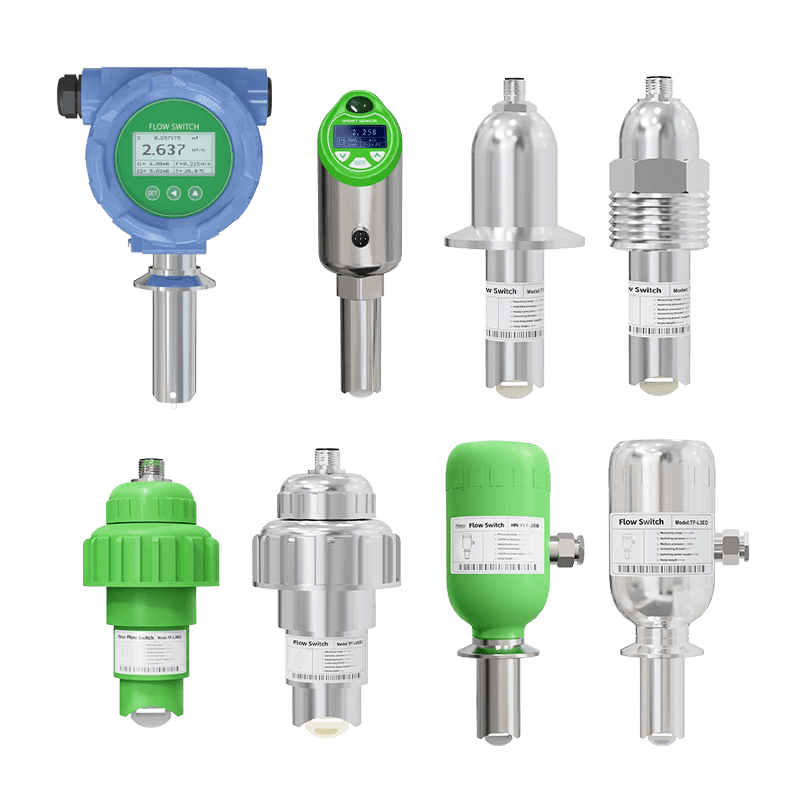
How to power and transmit signals in a two-wire 4-20mA pressure transmitter?
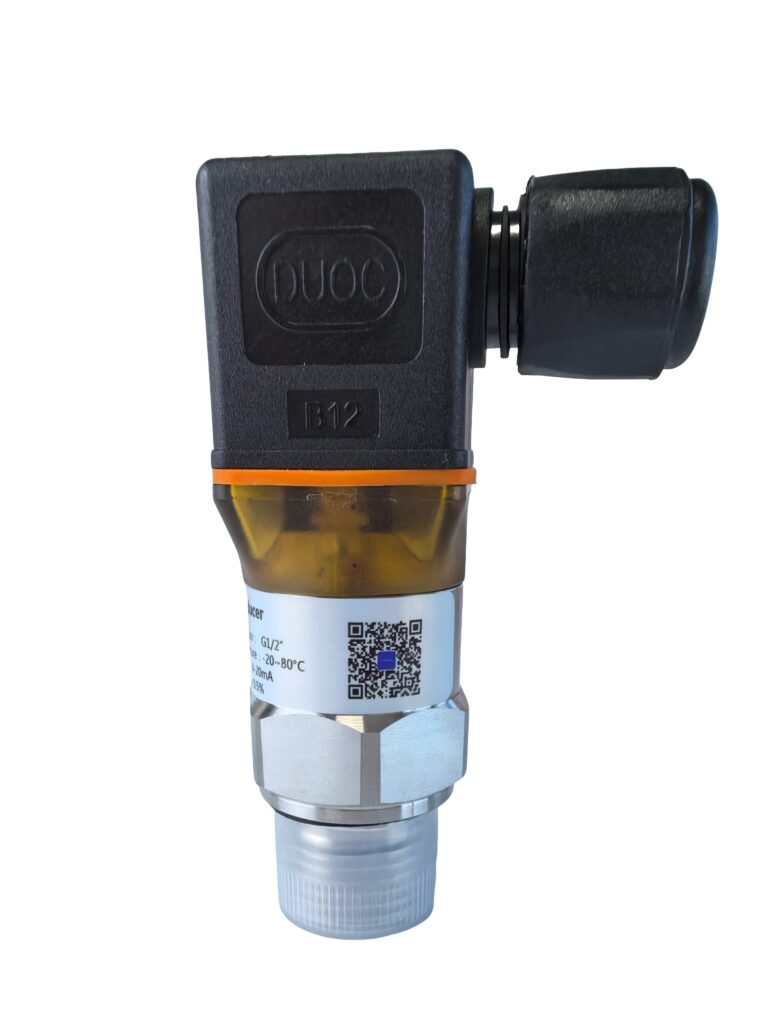
This article explains the power supply and signal transmission principle of two-wire 4-20mA pressure transmitters. It adopts a 24V DC loop-powered design, transmitting pressure signals through linear current changes to achieve stable and anti-interference industrial measurement.
Composition of vortex flow metering and requirements for vortex generators
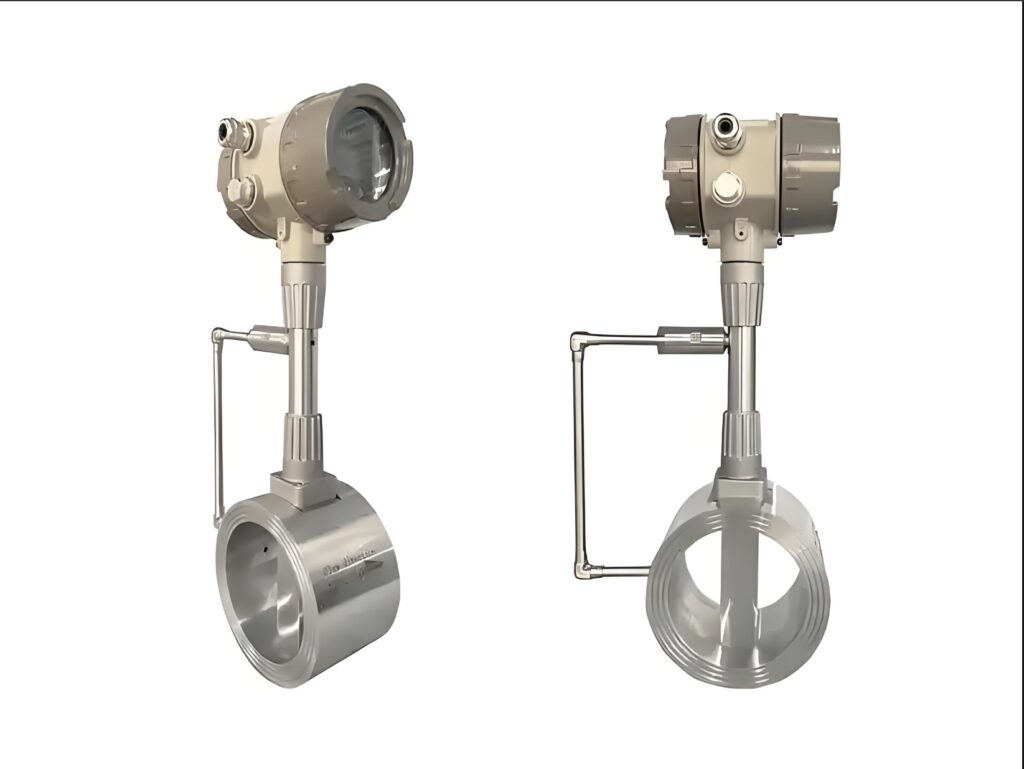
This paper introduces the composition of vortex flow metering systems and summarizes key technical requirements for vortex generators. Standard structure, qualified materials and correct installation ensure the instruments’ accurate and stable industrial flow measurement.
Importance of Selecting a Vortex Flow Meter
In conclusion, selecting a suitable vortex flow meter is crucial for improving production efficiency, reducing operating costs and realizing standardized and intelligent industrial process control.
Comparison of Vortex Flow Meter and LGB Throttling Device
In terms of application scenarios, LGB throttling devices are suitable for conventional industrial working conditions with stable flow, low precision requirements and low budget, and are widely used in conventional water and gas pipelines. Vortex flow meters are more applicable for steam, variable flow and high-precision measurement scenarios, adapting to complex and variable industrial environments.
Summary of Service Life Extension for Electromagnetic Flowmeters
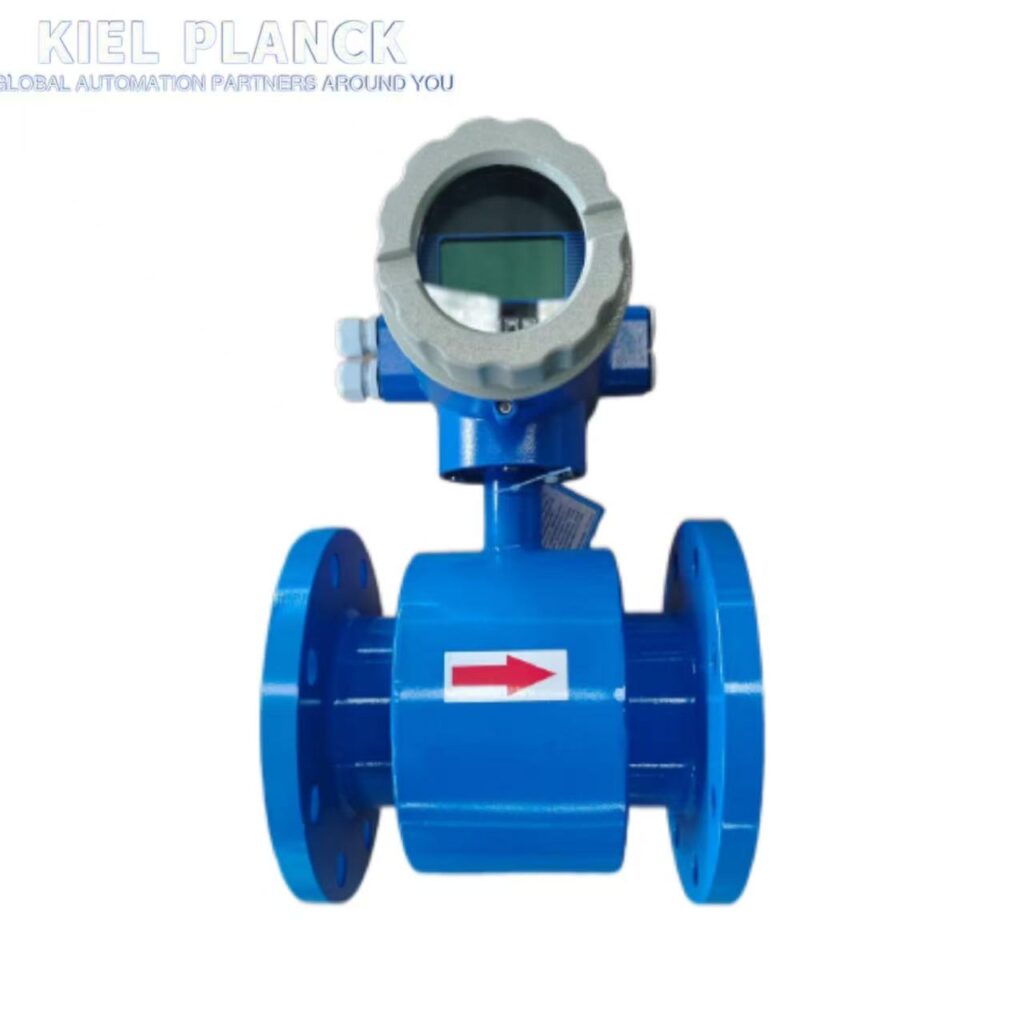
In short, scientific operation and regular maintenance can minimize equipment faults, delay aging and greatly extend the service life of electromagnetic flowmeters.
Electromagnetic Flowmeter Fault Analysis & Troubleshooting
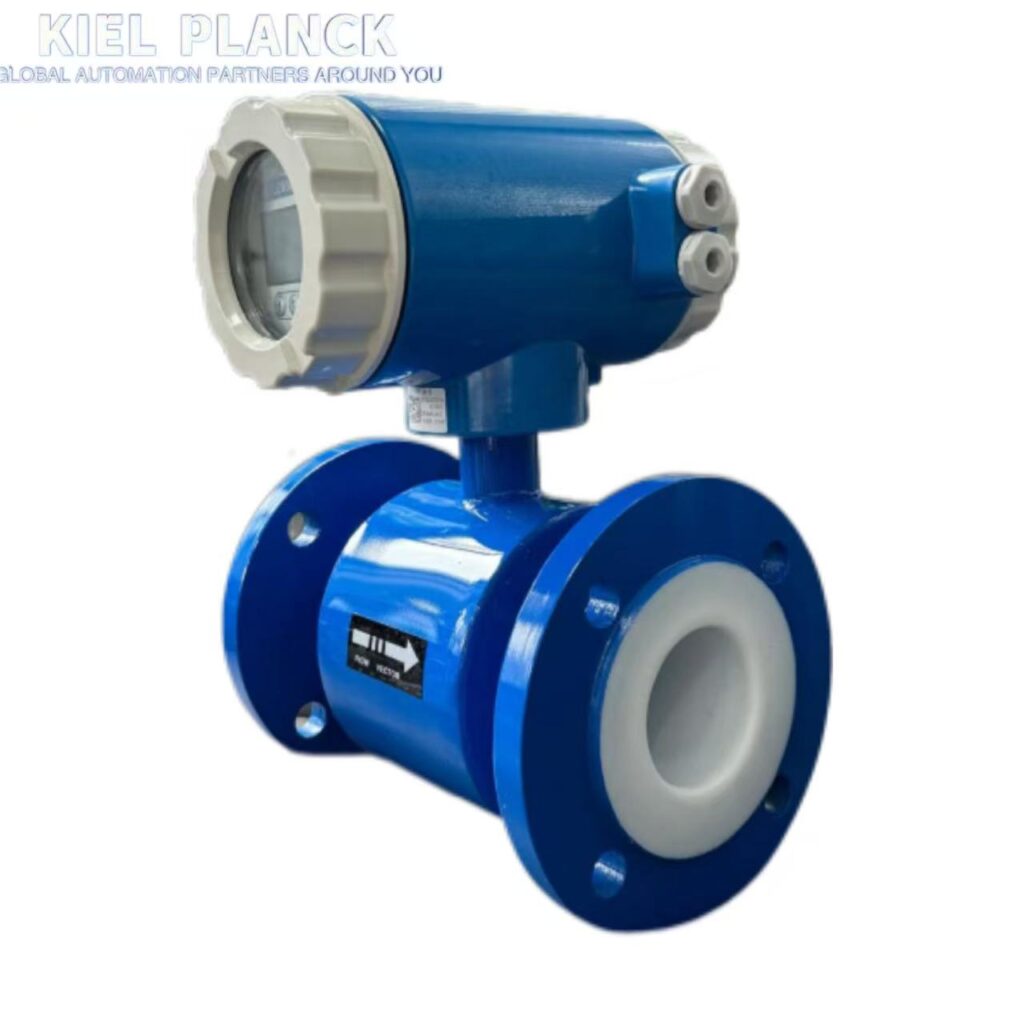
Electromagnetic flowmeters are essential precision instruments for industrial fluid measurement, featuring high stability and accuracy. However, they often encounter operational faults due to improper installation, harsh field environments and insufficient daily maintenance, undermining measurement reliability.
Common typical faults cover zero output, unstable readings, measurement deviation and zero drift. Zero signal failure is mainly caused by unfilled pipelines, power faults or damaged electrodes. Unstable readings usually result from medium impurities, air bubbles and electromagnetic interference. Measurement errors arise from incorrect parameter settings, non-standard installation and pipeline scaling, while zero drift is related to electrode contamination and missing calibration. Most system alarms are triggered by circuit damage and configuration errors.
Standardized installation, regular electrode cleaning, parameter recalibration and routine inspection are critical to eliminating common faults and maintaining the long-term stable operation of electromagnetic flowmeters in industrial systems.

