Flow measurement is a fundamental part of industrial process control, and the selection of flow measuring equipment directly affects production accuracy, operational stability and energy consumption. Vortex flow meters and LGB throttling devices are two widely adopted flow measuring instruments in industrial fields for measuring liquid, gas and steam media. Although both devices are designed to monitor pipeline flow, they differ greatly in working principle, measurement performance, pressure loss, maintenance cost and applicable working conditions. This article makes a comprehensive comparison between the two devices to provide a reliable reference for industrial equipment selection and process optimization.
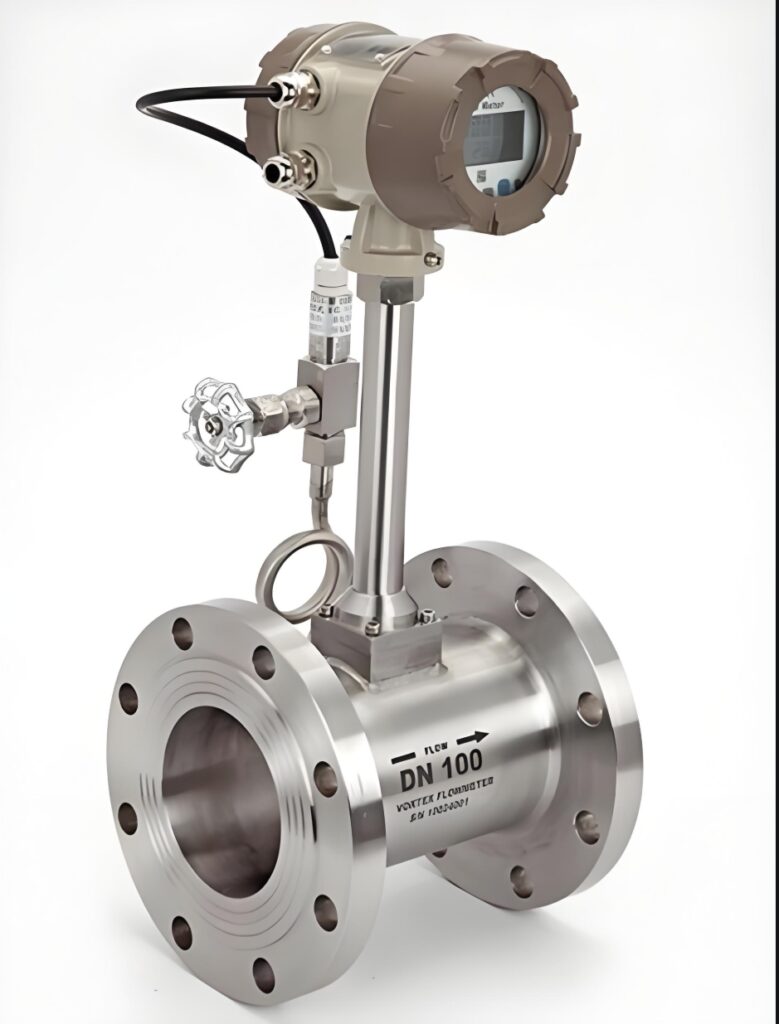
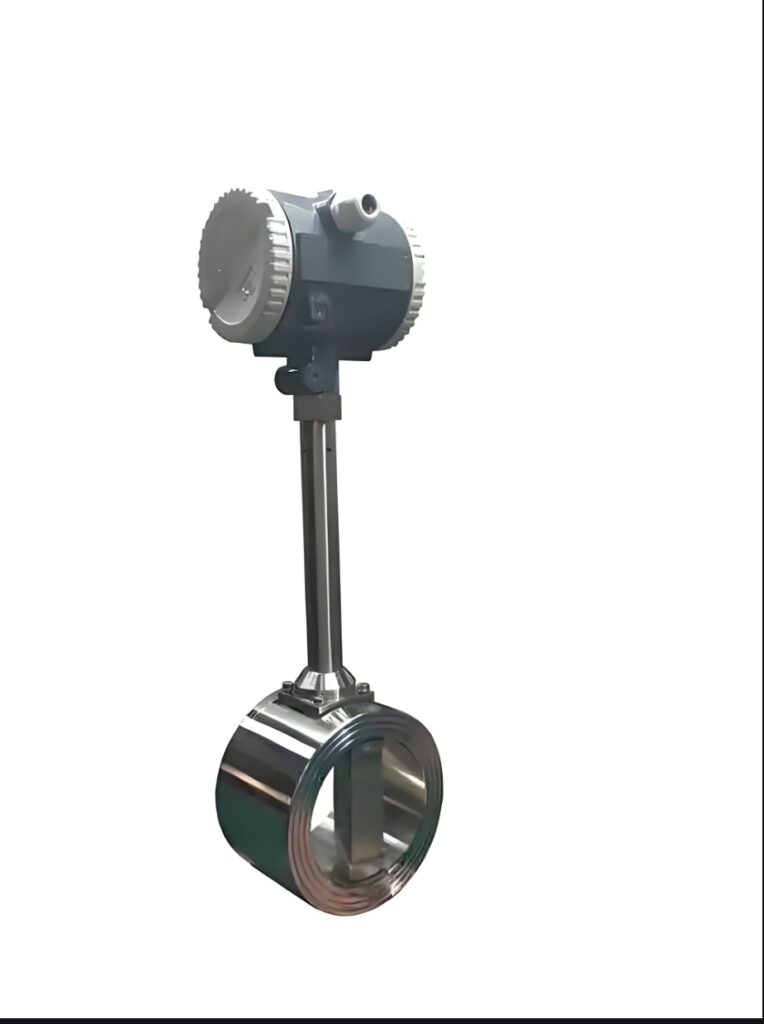
The working principles of the two flow measurement devices are essentially different. The vortex flow meter works based on the Karman vortex shedding principle. When fluid flows through the vortex generator inside the pipeline, regular alternating vortices are generated. The shedding frequency of vortices has a linear relationship with fluid flow velocity. By detecting the frequency signal, the meter can convert and calculate the real-time flow rate accurately. In contrast, the LGB throttling device adopts the differential pressure measurement principle. When fluid passes through the throttling orifice plate, the flow velocity increases sharply while the fluid pressure drops, forming a stable pressure difference between the front and rear of the throttling component. The flow value is calculated according to the quadratic root relationship between differential pressure and flow rate.
In terms of measurement performance, vortex flow meters show obvious advantages. They possess a wide measurement turndown ratio, which can reach 15:1 or even higher, enabling stable and accurate measurement under fluctuating flow conditions. Moreover, within a certain range of Reynolds numbers, their measurement results are barely affected by fluid temperature, pressure and density changes. They have no zero drift phenomenon and excellent repeatability. However, vortex meters have limitations in measuring high-viscosity fluid and ultra-low flow media, as insufficient vortex generation will reduce measurement precision. For LGB throttling devices, the turndown ratio is only about 3:1 to 5:1, which is only suitable for working conditions with stable flow. Their accuracy is easily affected by fluid parameter changes, and long-term operation will cause orifice wear and scaling, resulting in continuous measurement deviation.
In terms of energy consumption and maintenance, vortex flow meters perform better in long-term operation. They have no movable mechanical parts, with simple internal structure and tiny pipeline pressure loss, which effectively reduces the energy consumption of pipeline delivery systems and saves operating costs. Meanwhile, the failure rate is low, and daily maintenance is simple without frequent calibration. On the contrary, LGB throttling devices will produce large and permanent pressure loss during operation, requiring more pumping power consumption. In addition, the orifice plate is prone to dirt accumulation and abrasion, needing regular cleaning, inspection and recalibration, which increases manual maintenance costs and equipment downtime.
In terms of practical application scenarios, LGB throttling devices are favored for their low cost and simple structure, and are mostly used in conventional industrial pipelines with low precision requirements and stable flow, such as ordinary water and common gas transmission pipelines. Vortex flow meters are more suitable for high-precision measurement scenarios, especially for steam, compressed gas and variable flow working conditions, and can adapt to complex and changeable industrial environments. In conclusion, LGB throttling devices have advantages in low initial investment, while vortex flow meters are superior in measurement stability, energy saving and later maintenance. Enterprises should select appropriate instruments according to actual working conditions, precision standards and long-term operation benefits.
Scan the QR code to receive more detailed information.