Most selection failures stem from ignoring three core indicators: operating temperature, working pressure and medium characteristics. This article systematically elaborates on the selection rules of tuning fork switches based on temperature tolerance, pressure resistance and medium adaptability, analyzes the failure mechanisms of mismatched parameters, and summarizes targeted configuration strategies for common industrial working conditions. It provides a standardized and practical selection guide to help users avoid matching errors and ensure long-term reliable operation of level detection equipment.
1. Introduction
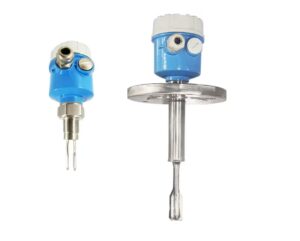
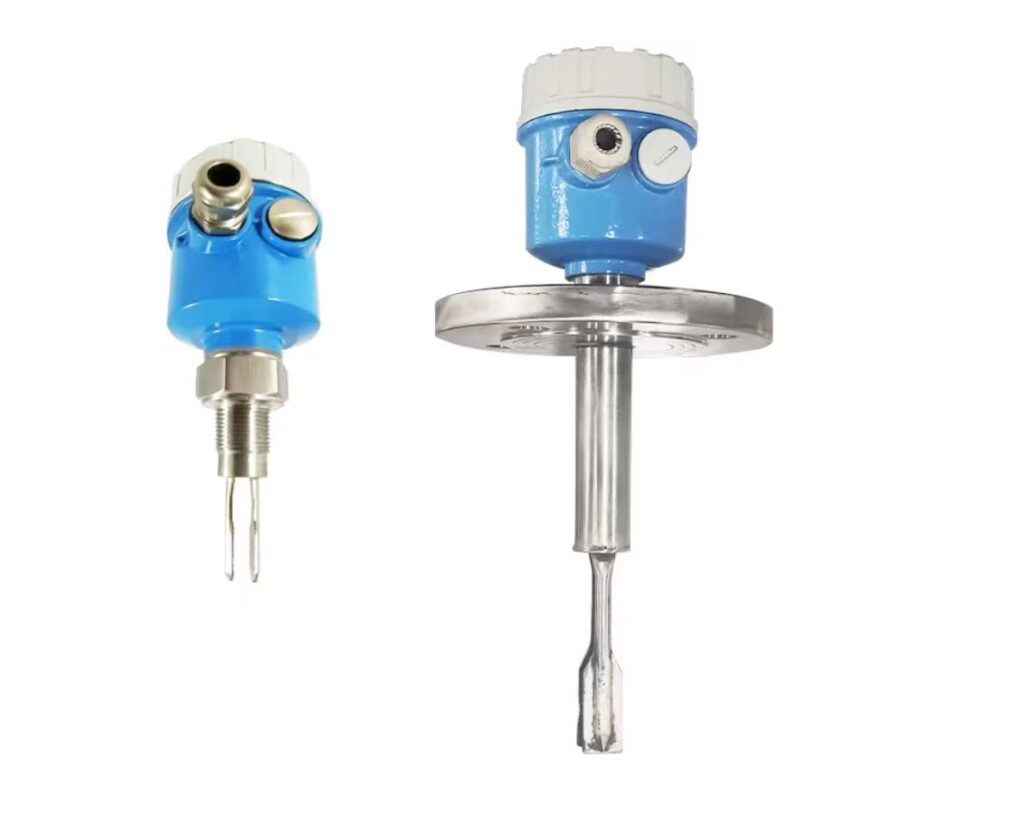
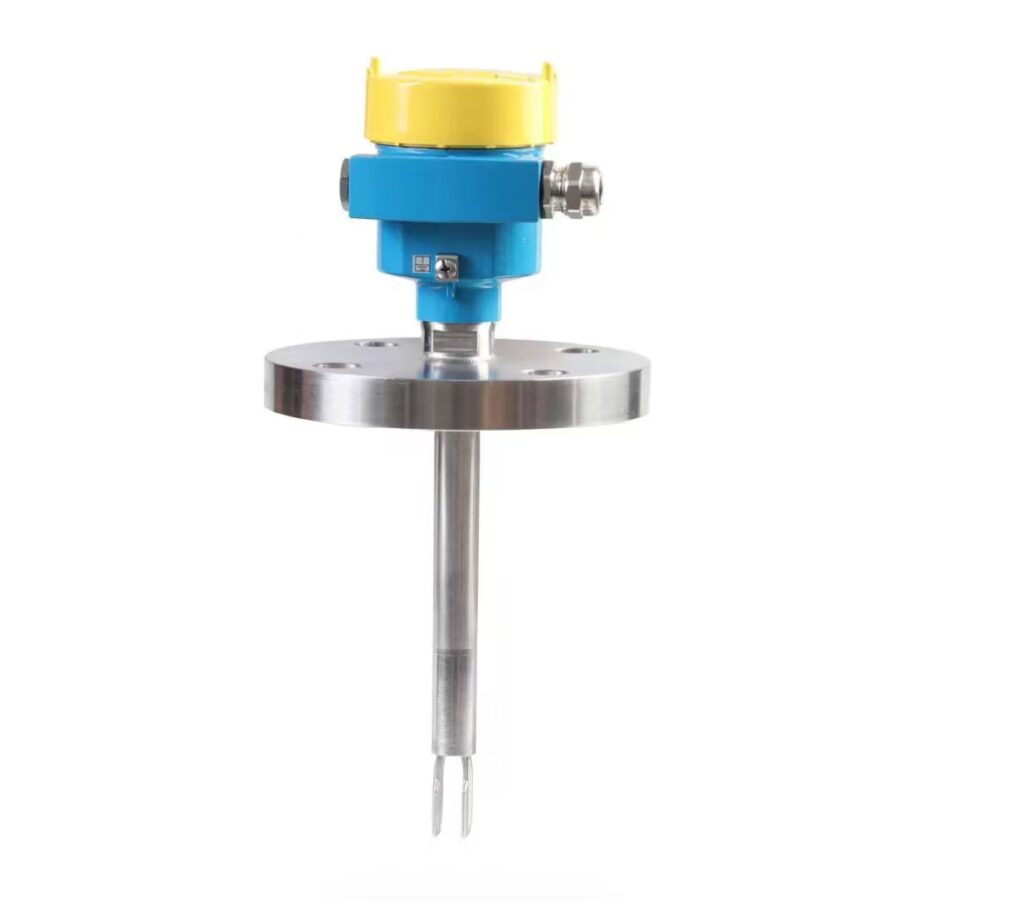
Based on mechanical vibration frequency detection, tuning fork level switches judge material level changes by identifying frequency differences between air state and medium contact state. Compared with float switches and capacitive level switches, they feature no movable parts, simple structure and excellent environmental adaptability, covering chemical, water treatment, petroleum, grain storage and new energy industries. In practical engineering applications, many users only focus on installation size and signal output type while neglecting temperature, pressure and medium requirements. Minor parameter mismatches will cause vibration attenuation, shell deformation, medium adhesion and corrosion failure, resulting in frequent detection errors. Therefore, mastering the three key selection points is the premise of maximizing the performance of tuning fork level switches.
2. Temperature Adaptation Selection: Core Guarantee of Vibration Stability
Operating temperature directly affects the mechanical performance and electronic component stability of tuning fork switches. Industrial tuning fork products are divided into normal temperature, medium temperature and high-temperature models. Standard ordinary models are only suitable for working conditions below 80°C. When applied to high-temperature steam, hot oil and thermal reaction tanks exceeding 100°C, the fork body will experience thermal deformation and frequency offset, while internal circuit boards will suffer thermal drift, leading to continuous false alarms. High-temperature customized tuning forks adopt high-temperature resistant metal materials and isolated circuit structures, which can stably operate at temperatures up to 200°C or higher. In addition, low-temperature scenarios also require attention. Ultra-low temperature environments will increase metal brittleness, making ordinary forks prone to fracture. Selecting a temperature grade higher than the actual operating margin can effectively avoid thermal fatigue failure and ensure consistent vibration detection accuracy.
3. Working Pressure Selection: Prevent Structural Deformation and Leakage
Pipeline and tank working pressure determines the shell thickness, process structure and sealing grade of tuning fork switches. Low-pressure atmospheric tanks can adopt lightweight ordinary pressure models with simple thread sealing. However, for pressurized reactors, sealed storage tanks and high-pressure delivery pipelines, ordinary low-pressure forks will face structural deformation, thread loosening and medium leakage risks. High-pressure tuning fork switches adopt integral forging structure and multi-layer sealing design, with pressure resistance ranging from 1.6 MPa to 10 MPa or higher. Long-term over-pressure operation will compress the fork body, change vibration amplitude and damage internal sensing components. Users must match the pressure resistance level according to the maximum peak pressure of the system rather than the conventional working pressure, reserving sufficient safety margin for fluctuating pressure working conditions.
4. Medium Characteristic Matching: Decisive Factor for Long-Term Service Life
Medium characteristics including viscosity, corrosiveness, cleanliness and form are the most critical selection indicators. For clean low-viscosity liquids such as water and oil, standard stainless steel tuning forks can fully meet operational needs. For high-viscosity media such as resin, glue and heavy oil, ordinary forks are prone to adhesion and signal locking. It is necessary to select enhanced vibration models with anti-sticking coating and large-amplitude vibration to realize self-cleaning effect. For strong acid and alkali corrosive media, specialized materials such as Hastelloy and Teflon lining are required to prevent electrochemical corrosion. For solid powder and granular materials, wide-gap fork bodies with strong anti-blocking performance should be selected to avoid dust accumulation. Reasonable medium matching can completely eliminate common faults such as fork scaling, corrosion and stuck signals.
5. Comprehensive Selection Principles and Engineering Suggestions
Scientific tuning fork switch selection requires comprehensive superposition of temperature, pressure and medium parameters. Users should first confirm the medium type to determine material and structural configuration, then match the temperature resistance grade according to extreme working temperature, and finally select the pressure resistance model based on peak system pressure. It is strictly prohibited to apply standard universal models to harsh working conditions. Meanwhile, reserve 20% to 30% parameter margin for temperature and pressure to adapt to occasional working condition fluctuations. Combined with explosion-proof requirements and installation methods, the overall configuration can achieve stable detection and low maintenance operation.
6. Conclusion
Temperature resistance grade, working pressure tolerance and medium adaptability are the three core determinants of tuning fork level switch operating stability and service life. Temperature mismatch causes signal thermal drift, pressure mismatch leads to structural safety hazards, and medium mismatch results in adhesion, corrosion and detection failure. Industrial users should abandon blind universal selection habits and formulate targeted configuration schemes based on actual working condition parameters. Standardized selection can effectively eliminate false alarms and equipment failures, reduce later maintenance costs, and provide accurate and reliable point-level detection support for industrial automatic control systems.
Scan the QR code to receive more detailed information.